

 Travel Essentials
 Travel Essentials

Comprehensive guide covering best times, top destinations, viewing techniques, photography tips, and essential preparation for chasing the Northern Lights across the Arctic regions.
 Travel Essentials
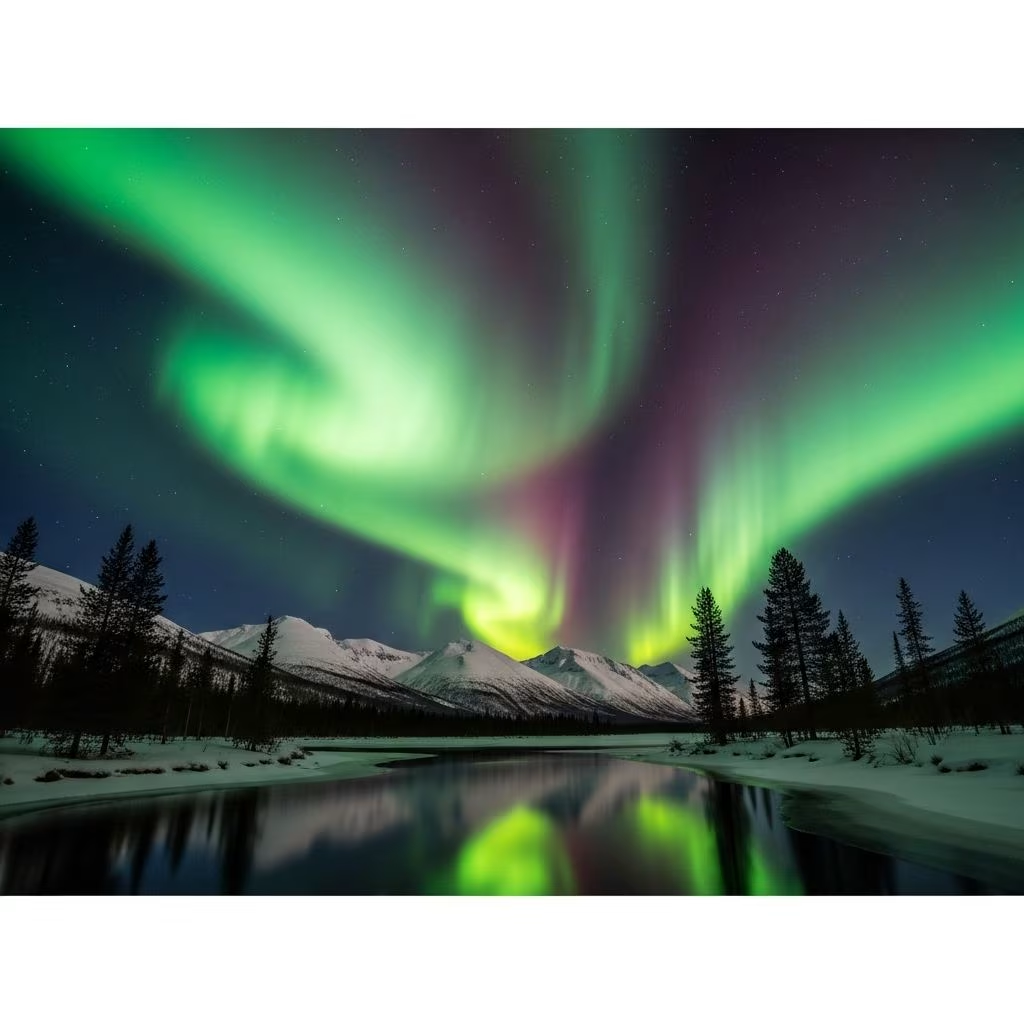
The **Northern Lights**, or aurora borealis, captivate millions with their ethereal dance across polar skies. Charged particles from the sun collide with Earth’s atmosphere, creating vibrant greens, purples, and reds in a spectacular natural light show. This guide equips you with everything needed to plan a successful aurora hunt, from timing your trip to capturing stunning photos.
The aurora occurs when solar winds hurl charged particles toward Earth. These particles interact with atmospheric gases—oxygen produces greens and reds, nitrogen yields purples and blues—primarily around the magnetic poles. Visibility peaks during heightened solar activity, tracked via the Kp index, which measures geomagnetic storms from 0 (calm) to 9 (extreme).
Solar cycles, lasting about 11 years, influence frequency. We’re currently in a solar maximum phase, boosting sightings even at lower latitudes. Expect more dynamic displays from late 2024 through 2026, though predictions remain probabilistic.
Dark, long winter nights from September to April offer the best opportunities. Peak months—late November to February—balance darkness with manageable weather. Avoid the summer solstice when midnight sun persists above the Arctic Circle.
Monitor solar forecasts; even faint activity (Kp 3+) can yield views under clear skies. Flexibility across multiple nights boosts success rates to 70-90% in optimal spots.
Position yourself north of 60°N for reliable sightings. Proximity to the Arctic Circle and low light pollution are key. Here’s a comparison of premier locations:
| Location | Latitude | Advantages | Challenges | Best Activities |
|---|---|---|---|---|
| Fairbanks, Alaska | 65°N | Easy access, tours, dark sites nearby | Cold snaps, variable clouds | Hot springs, dog sledding |
| Tromsø, Norway | 69°N | Fjords, mountains, frequent activity | Tourist crowds, pricey | Hiking, whale watching |
| Abisko, Sweden | 68°N | Driest climate in Scandinavia, clear nights | Remote access | Chairlift views, ice climbing |
| Reykjavik area, Iceland | 64°N | Black sand beaches, hot springs | Frequent storms | Superjeep tours, geothermal pools |
| Rovaniemi, Finnish Lapland | 66°N | Forests, glass igloos | Heavy snow | Reindeer safaris, saunas |
Abisko stands out for its microclimate, minimizing clouds. Alaska’s interior, like Fairbanks, offers drive-up spots for independents.
Reliable apps and sites like NOAA’s Space Weather Prediction Center provide Kp forecasts up to 30 minutes ahead. Aurora alerts via apps (e.g., My Aurora Forecast) notify of sudden activity. Optimal viewing: 10 PM-2 AM local time, when Earth’s magnetic field aligns best.
Check cloud cover via satellite imagery—vital since overcast blocks 70% of potential nights. Mobility is crucial; weather varies kilometers apart.
Success hinges on location scouting:
If clouds dominate, chase clear patches—drive safely or join mobile tours.
Tours excel for novices: Guides chase clear skies, provide gear, and share hotspots. Ideal without a car or winter driving experience. Expect heated buses, hot drinks, photography tips.
DIY suits adventurers with rentals. Roads like Alaska’s Steese Highway offer pullouts. Rent 4×4 with winter tires; download offline maps.
| Option | Pros | Cons | Best For |
|---|---|---|---|
| Tours | Expertise, transport, comfort | Cost, fixed schedules | Beginners, groups |
| Independent | Flexibility, cost savings | Driving risks, scouting effort | Experienced drivers |
Temperatures plummet to -20°C (-4°F) or lower. Dress in layers:
Stay active to generate heat; seek shelter if needed.
Smartphones struggle; use DSLRs/mirrorless with tripods. Settings: Wide-angle lens (14-24mm), f/2.8 aperture, ISO 1600-6400, 10-30s shutter.
Apps like PhotoPills aid planning. Practice beforehand.
Avoid: Single-night trips (odds ~20%), ignoring forecasts, tight clothing. Pros: Multi-night stays, local apps, backup indoor plans like saunas.
During solar max, southern extensions possible (e.g., 50°N). Patience pays—many report epic shows after ‘skunked’ nights.
December-February for darkness; check solar forecasts.
Faint ones yes, but drive out for brilliance.
5-7 for 80%+ success in prime spots.
Yes for guidance and chases; DIY if equipped.
Mobile chase clear pockets.
Budget: $1500-2500/person excluding flights.
