

 Travel Essentials
 Travel Essentials

Explore the verdant landscapes, epic hikes, and remote wilderness of northern Patagonia, Chile, from Cerro Castillo to Futaleufu, with tips for sustainable travel.
 Travel Essentials
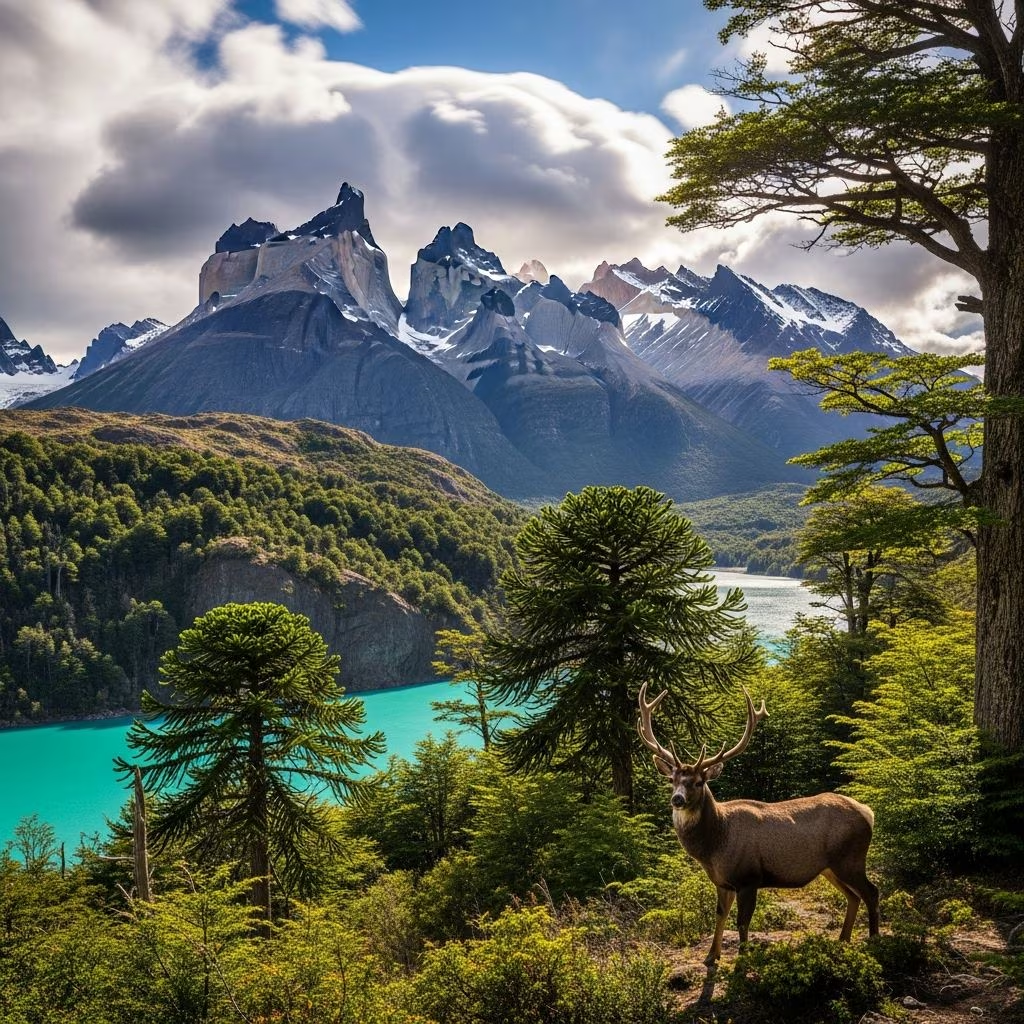
Northern Patagonia in Chile stands out as a verdant paradise where lush rainforests meet jagged peaks and glacial rivers carve through untouched valleys. Unlike the arid expanses of southern Patagonia, this region thrives with emerald forests, cascading waterfalls, and crystal-clear turquoise waters, earning its nickname as “Green Patagonia.” Adventure seekers flock here for world-class hiking, thrilling water sports, and immersive wildlife encounters in some of South America’s most pristine national parks.
Transitioning from Chile’s Lake District, northern Patagonia bursts with life-sustaining waterways that feed its dense Valdivian temperate rainforests. These ancient woodlands, home to towering alerce trees and vibrant ferns, create a misty, otherworldly backdrop for exploration. Glaciers hang dramatically from mountain faces, feeding lakes that shimmer in hues of blue and green, while rivers like the Futaleufu roar with glacial melt. This biodiversity hotspot supports endangered species such as the huemul deer, Andean condors, and elusive pumas, making every trail a potential wildlife safari.
Conservation efforts have transformed the area. Organizations like the Tompkins Conservation, in partnership with Fundacion Rewilding Chile, have established expansive protected zones, linking fragmented habitats to foster ecological recovery. These initiatives not only preserve the landscape but also offer visitors sustainable ways to engage with nature, from guided treks to eco-lodges.
Hiking dominates adventures in northern Patagonia, with trails catering to all levels amid stunning scenery. Remote paths ensure solitude, allowing hikers to immerse in the symphony of rushing water and rustling leaves.
For seasoned trekkers, the Dientes de Navarino circuit on remote Navarino Island pushes limits with rugged terrain overlooking the Beagle Channel. Though farther afield, it exemplifies the raw, windswept essence of Patagonian hiking.
Beyond boots-on-the-ground pursuits, northern Patagonia’s rivers and lakes beckon with adrenaline-pumping activities. The Futaleufu River, famed for its turquoise clarity and Class V rapids, hosts world-renowned rafting expeditions. Guided trips navigate churning whitewater flanked by forested canyons, blending thrill with scenic splendor.
Kayaking and packrafting offer calmer alternatives, slipping through fjords or exploring marble caves along Carretera Austral. Queulat National Park’s hanging glacier is a highlight, where venturing bridges provide up-close views of ice calving into the sea. Horseback riding complements these, traversing river valleys on sure-footed steeds while spotting condors soaring overhead.
| Activity | Location | Difficulty | Highlights |
|---|---|---|---|
| Rafting | Futaleufu River | Intermediate-Expert | Class V rapids, turquoise waters |
| Kayaking | Carretera Austral lakes | Beginner-Advanced | Marble Caves, glaciers |
| Horseback Riding | Chacabuco Valley | All Levels | Wildlife viewing, valleys |
Crafting a trip here requires thoughtful logistics due to the region’s remoteness. Fly into Balmaceda Airport near Coyhaique, then rent a 4×4 for the Carretera Austral, a gravel highway threading through fjords and forests. This iconic route connects parks like Cerro Castillo and Queulat, with stops at Caleta Tortel’s stilted boardwalks.
Sample 7-Day Itinerary:
Best visited November to March for summer weather, though shoulder seasons offer fewer crowds and blooming landscapes. Pack layers for sudden Patagonian winds and rain.
Northern Patagonia’s lodges elevate stays with sustainable luxury. Futaleufu Valley properties sprawl over vast acres, featuring wood-fired hot tubs, massages, and farm-to-table cuisine after day’s hikes. Remote parks offer refugios or glamping, blending comfort with immersion. In Patagonia Park, eco-camps prioritize low-impact design, supporting conservation.
The region’s fauna captivates: Andean condors wheel over cliffs, huemul deer bound through forests, and foxes prowl at dusk. Reintroduction programs have bolstered vicuñas and pumas, showcasing successful rewilding. Visitors contribute by sticking to trails and supporting certified operators.
Summer (November-March) offers mild weather and long days, ideal for hiking. Shoulder months bring wildflowers but cooler temps.
Yes, with day hikes and guided tours. Advanced options like Cerro Castillo Circuit suit experienced hikers.
Fly to Balmaceda, then drive or bus along Carretera Austral (4-5 hours).
Abundant options for rafting, hiking, and multi-lodge treks from reputable outfitters.
Condors, huemul deer, guanacos, foxes, and possibly pumas in parks like Cerro Castillo and Patagonia Park.
Northern Patagonia’s fragile ecosystems demand responsible tourism. Support parks through entry fees, choose low-volume operators, and offset carbon via reforestation programs. This ensures the verdant peaks and valleys remain wild for generations, preserving Chile’s green jewel.
