

 Travel Essentials
 Travel Essentials

Discover world-class hiking, water sports, climbing, and cultural experiences across Northern Portugal's pristine wilderness regions.
 Travel Essentials
Northern Portugal stands as one of Europe’s premier destinations for outdoor enthusiasts seeking authentic natural environments combined with rich cultural heritage. The region’s diverse topography—spanning coastal zones, river valleys, mountain ranges, and protected wilderness areas—creates a compelling backdrop for everything from gentle nature walks to extreme sports. Unlike its more commercialized southern counterpart, northern Portugal maintains a character of discovery, where adventure seekers can experience authentic Portuguese landscapes relatively untouched by mass tourism.
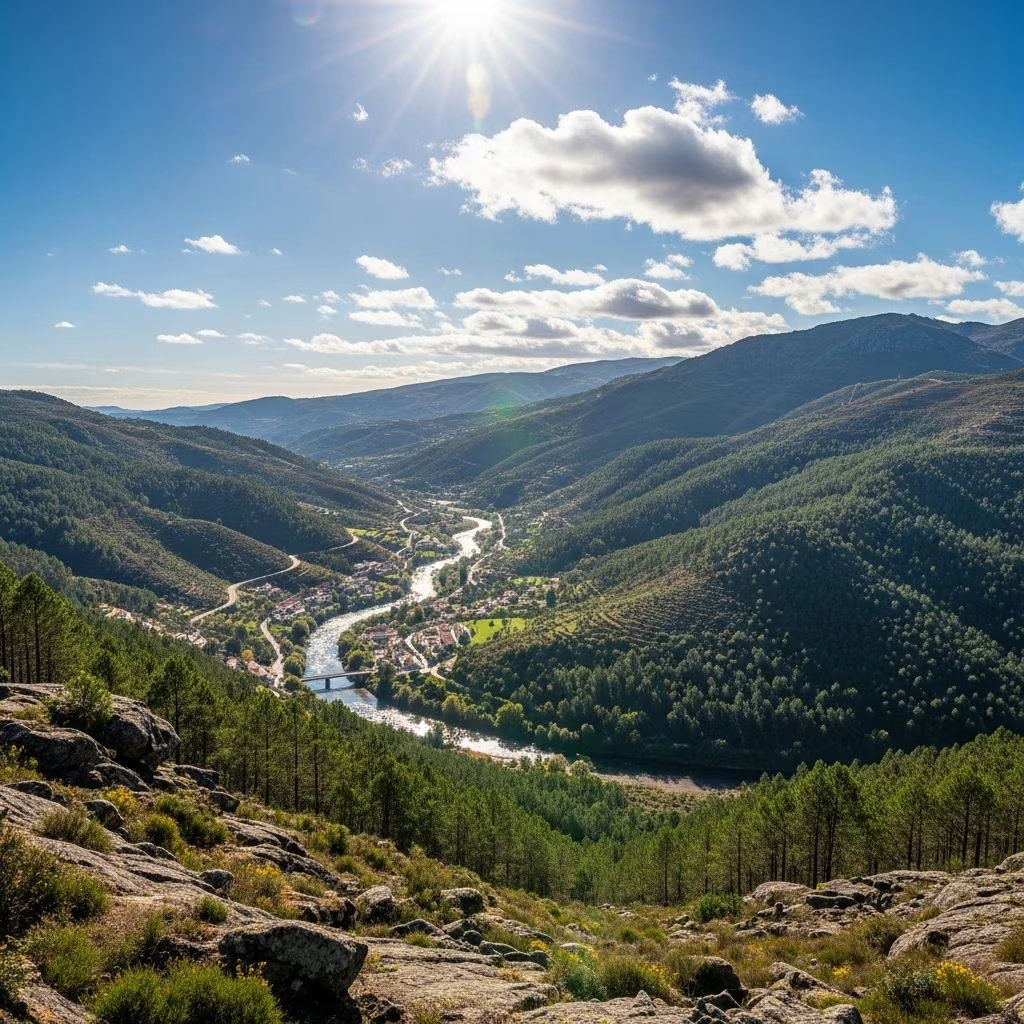
The landscape composition of Northern Portugal creates extraordinary variety within a relatively compact area. The northwestern corner houses Peneda-Gerês National Park, Portugal’s only national park, representing the country’s highest level of environmental protection. This designation reflects the ecological significance of a region featuring multiple mountain ranges, pristine waterfalls, and complex ecosystems supporting diverse wildlife populations. Beyond the national park boundaries, several protected natural reserves throughout the region offer additional opportunities for exploration and conservation-focused tourism.
The geographic character changes dramatically across different zones. Coastal areas in the north maintain Atlantic influences creating cooler temperatures and unique marine conditions. Inland valleys become progressively more mountainous, with the Douro Valley representing a landscape transformed by centuries of wine cultivation through terraced agriculture. Mountain plateaus reach elevations where birdwatching becomes exceptional, while river systems carved through ancient rock formations create dramatic canyons and gorges suitable for adventure sports.
Hiking and walking opportunities span every difficulty level, from leisurely riverside strolls to challenging alpine traverses. Peneda-Gerês National Park contains interconnected trail systems reaching 1,545 meters at their highest elevation. The Mourela Plateau, situated at 1,000 meters, functions as an important ecological zone and birdwatching destination. These elevation changes create distinct ecosystem zones, meaning hikers traverse different vegetation types and wildlife habitats during single excursions.
Mountainous areas support specialized climbing communities. Sport climbing routes, traditional climbing challenges, and bouldering areas exist throughout the region. Technical quartzite crags attract climbers seeking specific rock types and movement styles. Mountain villages such as Soajo serve as basecamp locations for extended hiking expeditions while offering visitors glimpses into traditional Portuguese alpine architecture and cultural practices.
Northern Portugal’s extensive river and coastal systems provide platforms for diverse water sports:
The Douro River deserves particular attention as an adventure corridor. Rather than experiencing this landscape through conventional transportation, kayaking positions adventurers directly within the natural environment. Paddlers navigate engineered locks managing river traffic while observing agricultural practices unchanged for centuries. This intimate perspective creates emotional connections to place that standard tourism rarely achieves.
Cycling infrastructure in Northern Portugal accommodates various skill levels through different route typologies. Flat ecopista routes converted from abandoned railway lines offer accessible cycling through scenic valleys. These purpose-built paths minimize traffic interaction while providing authentic countryside exposure. Mountain terrain attracts technical cyclists seeking challenging elevation changes and complex trail navigation. Self-guided cycling holidays represent a growing tourism segment, with professional tour operators managing logistical details while cyclists maintain independence in daily riding choices.
The integration of cycling with cultural experiences distinguishes Northern Portugal cycling tourism. Routes often pass through small communities, wine regions, and historical sites, meaning cyclists accumulate cultural knowledge alongside physical exertion. This combination appeals to travelers seeking multidimensional experiences rather than singular activity focus.
For adrenaline seekers, Northern Portugal offers specialized experiences beyond standard tourist activities. Canyoning in protected natural areas combines hiking with water navigation through narrow gorges. Cliff jumping at waterfalls like Arado provides intense experiences for participants comfortable with heights and water immersion. ATV buggy tours in mountain regions such as Arcos de Valdevez enable drivers to navigate terrain inaccessible by conventional vehicles while maintaining control over riding pace and route decisions.
These specialized activities typically operate through established adventure tour companies possessing appropriate safety equipment, liability insurance, and guide training. Professional operators transform potentially dangerous activities into managed experiences with acceptable risk parameters.
Adventure travel need not exclusively emphasize physical exertion. Caldas do Gerês represents a unique opportunity to integrate natural thermal waters into outdoor itineraries. These geothermally heated springs have functioned as health and wellness destinations for centuries, reflecting Portuguese traditions of spa tourism. The contrast between active adventure pursuits and restorative thermal bathing creates balanced travel experiences addressing both physical intensity and recovery.
Northern Portugal’s landscape contains extraordinary geological features reflecting Earth’s deep history. The Arouca Geopark, designated as a UNESCO Global Geopark, showcases geological formations spanning hundreds of millions of years. Ancient trilobites preserved in stone, birthing stones with cultural significance, and distinctive rock formations create intersections between geological science and human cultural interpretation. This combination appeals to adventure travelers interested in educational components alongside physical activities.
Historical elements enhance adventure experiences by providing context and meaning. Prehistoric rock art in the Côa Valley, medieval castles in towns such as Bragança, and ancient stone granaries in mountain villages connect outdoor activities to human historical narratives. Walking through landscapes shaped by centuries of human habitation creates richer travel experiences than experiencing wilderness devoid of cultural context.
Northern Portugal’s Atlantic location creates distinct seasonal patterns affecting adventure tourism. Spring and autumn offer moderate temperatures and manageable weather conditions suitable for most outdoor pursuits. Summer permits extended daylight hours for hiking and water activities but brings higher tourist concentrations. Winter transforms the region through reduced crowds but introduces weather challenges including rainfall and potential mountain snow at higher elevations.
Water temperatures in northern coastal zones remain cooler year-round compared to southern Portugal, affecting swimming and water sports comfort. River water derives from mountain sources, maintaining relatively cold temperatures even during summer months. These temperature considerations influence activity selection, required equipment, and physical preparation needs.
Northern Portugal possesses developed infrastructure supporting adventure tourism. Established tour companies offer self-guided walking and cycling holidays managing accommodation arrangements while permitting individual daily decision-making. Professional guides lead specialized activities including rock climbing, water sports, and cultural interpretation. Information offices at national park entrances and protected natural areas provide maps, trail recommendations, and activity guidance. This combination of professional services and independent exploration opportunities accommodates diverse traveler preferences and experience levels.
The Douro Valley represents a unique intersection of agricultural heritage, wine production, and natural beauty. Adventure activities positioned within or adjacent to wine regions permit integration of tastings, cellar visits, and vineyard experiences with physical pursuits. Kayaking past famous wine estates, cycling through terraced vineyards, or hiking to hilltop perspectives overlooking wine country create multisensory travel experiences combining outdoor activity with gastronomic and cultural engagement.
Northern Portugal accommodates adventure travelers with varying physical capabilities. Gentle riverside walks, boardwalk sections through forests, and accessible viewpoints permit participation regardless of athletic background. Simultaneously, technical climbing routes, white water rapids, and mountain traversals challenge experienced outdoor enthusiasts. This diversity ensures that family groups, mixed-ability parties, and solo adventurers each discover appropriate activities matching their capabilities and interests.
Successful adventure travel in Northern Portugal requires strategic planning addressing practical logistics alongside activity selection. Weather monitoring informs packing and schedule adjustments. Advance booking of specialized guides for technical activities like rock climbing or white water rafting ensures qualified professional oversight. Language preparation, though English speakers operate throughout tourist areas, enhances interactions with local communities. Physical conditioning matched to selected activities prevents injury and increases enjoyment through appropriate preparedness.
Northern Portugal’s reputation as an emerging adventure destination continues growing as more travelers discover alternatives to overcrowded Mediterranean regions. The combination of pristine natural environments, established tourism infrastructure, reasonable cost compared to Western European alternatives, and authentic cultural preservation creates compelling reasons for adventure travelers to prioritize this region in travel planning.
