


 Food & Culture
Food & Culture
Northern Territory Bush Tucker Dining Guide
Explore premier dining venues and guided experiences featuring traditional Aboriginal bush foods throughout the Northern Territory, from Kakadu to Uluru.
 Food & Culture
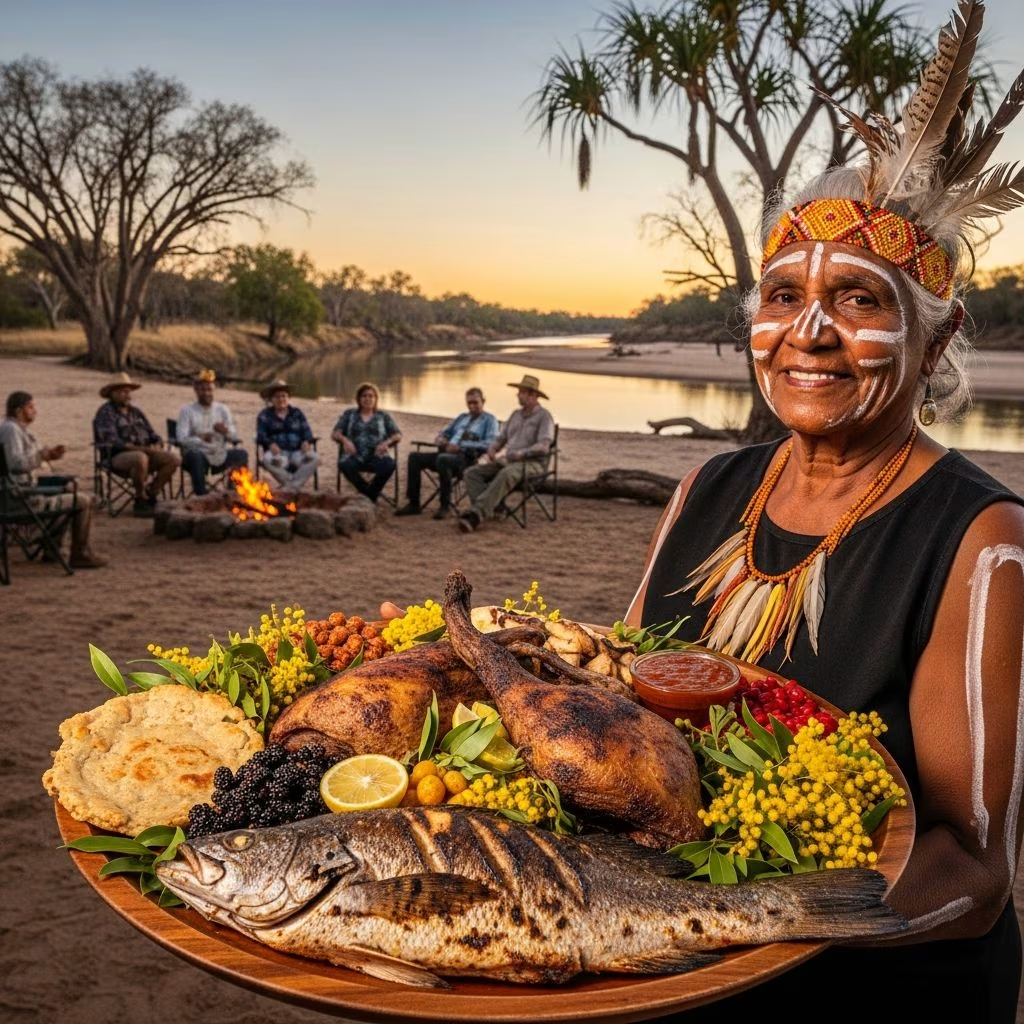
Australia’s Northern Territory stands as one of the continent’s most distinctive culinary destinations, where traditional Aboriginal ingredients and cooking methods blend seamlessly with contemporary dining experiences. The region’s unique food culture reflects thousands of years of indigenous knowledge combined with the dramatic landscapes of the outback. Whether you seek fine dining under starlit skies or hands-on learning experiences, the Northern Territory offers unparalleled opportunities to engage with native Australian ingredients and their cultural significance.
Understanding Bush Tucker and Its Cultural Significance
Bush tucker, also known as bush food or feral food, encompasses the wild plants and animals that have sustained Aboriginal communities across Australia for millennia. This culinary tradition represents far more than sustenance—it embodies deep cultural knowledge about seasonal cycles, sustainable harvesting practices, and the intricate relationships between people and their environment. Indigenous Australians developed sophisticated understanding of hundreds of edible species, knowing precisely when and where to find them and how to prepare them for optimal nutrition and flavor.
The resurgence of bush tucker in contemporary dining reflects broader recognition of Aboriginal contributions to Australian culture and the exceptional quality of native ingredients. Modern restaurants throughout the Northern Territory now celebrate these traditional foods, employing chefs who understand both traditional preparation methods and contemporary culinary techniques. This fusion creates dining experiences that honor cultural heritage while delivering innovative, memorable meals.
Premier Fine Dining Establishments
Escarpment Restaurant at Kakadu
Located within the striking Mercure Kakadu Crocodile Hotel in Jabiru, Escarpment Restaurant combines architectural theater with culinary excellence. The hotel itself, designed to resemble a saltwater crocodile, provides an immersive introduction to the region’s distinctive character. The restaurant’s interior features authentic Aboriginal artistic motifs, creating an environment where diners can appreciate indigenous culture while sampling traditional bush foods.
The establishment’s signature offering, The Drovers Blowout, represents a four-course culinary journey through native Australian proteins and flavors. This menu showcases crocodile vol-au-vent, kangaroo fillets, buffalo medallions, and wild camel accompanied by plum sauce—ingredients that harken back to the region’s pastoral history while celebrating contemporary culinary presentation. The restaurant draws both local enthusiasts and international visitors, with many patrons commemorating their visits through signatures displayed on the venue’s “windmill of fame”.
Namatjira Gallery Restaurant at Glen Helen
Situated within the historic Glen Helen Homestead along the Finke River, this establishment combines art appreciation with gastronomic exploration. The restaurant honors renowned Aboriginal landscape painter Albert Namatjira, whose windswept masterpieces adorn the dining room walls. This setting provides more than aesthetic appeal—it contextualizes the meal within the broader framework of Aboriginal artistic and cultural achievement.
The menu features distinctive outback preparations including crocodile spring rolls, barramundi with apples and potatoes, and pepper steak. Each dish reflects the culinary traditions of the region while demonstrating how native ingredients integrate into varied preparations. The restaurant’s location along the Finke River, potentially the world’s oldest river system, adds geological and temporal significance to the dining experience.
Desert Sky Dining Experiences
Under the Desert Moon at Kings Canyon
This exclusive dinner experience transforms the rugged wilderness surrounding Kings Canyon into an intimate dining venue. The “Under the Desert Moon” offering presents a six-course degustation showcasing kangaroo loin and quandong desserts under an expansive starlit sky. Unlike crowded urban restaurants, this setting places diners within the actual landscape that produces their meal’s ingredients.
The experience emphasizes sensory immersion through multiple elements beyond the food itself. Soft music combines with rustling oak trees to create atmospheric ambiance, while the moon and flickering campfire provide natural illumination. This multisensory approach transforms dinner into a complete cultural and environmental experience rather than a simple meal.
Tali Wiru at Uluru
Translating to “beautiful dune” in the local Anangu language, Tali Wiru offers a four-course dining experience on a private sand dune overlooking Uluru. The menu features native ingredients including saltbush lamb and native pepper berries, each course carefully composed to showcase Indigenous flavors alongside fine wine selections. The intimate open-air setting ensures guests remain immersed in the desert environment throughout their meal.
The experience incorporates cultural performance and storytelling, with didgeridoo performances enhancing the dining atmosphere. Aboriginal storytellers share narratives connected to the land and its foods, providing cultural context for every element of the meal. This integration of performance, environment, and cuisine creates a holistic cultural engagement rather than mere consumption of food.
Sounds of Silence at Uluru
This dining experience operates from a viewing platform overlooking Uluru-Kata Tjuta National Park, combining astronomical education with traditional food preparation. A bush tucker-inspired dinner incorporating native ingredients precedes a traditional dance performance under the outback sky. The venue employs a resident “star talker” who decodes the exceptional clarity of the night sky, identifying visible planets, galaxies, the Southern Cross, and zodiacal signs.
This experience demonstrates how Aboriginal knowledge systems extend beyond food to encompass astronomy, geography, and cultural expression. The combination of these elements creates an educational and cultural immersion impossible to replicate in urban settings.
Urban Dining and Accessible Experiences
Darwin’s Parliament House Venue
Speakers Corner Café at Parliament House in Darwin demonstrates that bush food experiences need not require remote location or extensive travel. Located within the seat of territorial government, this venue employs local Aboriginal staff developing hospitality careers while preparing dishes featuring Kakadu plum, bush honey, bush tomatoes, and quandong. This accessibility makes traditional indigenous cuisine available to business professionals, legislators, and casual visitors alike.
The venue’s establishment of employment opportunities for Aboriginal people underscores how contemporary culinary revival creates economic and cultural benefits extending beyond tourism into permanent community development.
Guided Tours and Immersive Learning Experiences
Small Group Safari Tours
Animal Tracks Safari operates small group excursions into exclusive Kakadu National Park areas unavailable to most tourism operations. Participants learn about Aboriginal culture while experiencing wildlife encounters and sampling fresh bush tucker including turtles, snakes, grubs, fruits, yams, tubers, bulbs, and corms. The day concludes with sunset campfire activities featuring billy tea, damper bread, and larger bush game including magpie geese and buffalo.
These tours provide experiential learning that extends beyond passive food consumption to active participation in identification and harvesting practices.
Extended Homeland Experiences
The Liya Wanhurr Aboriginal Corporation offers customized camping and tours into Dhalinybuy homelands, incorporating bush food experiences alongside weaving instruction, spear making, traditional dance, and ceremonial practices. Each tour adapts to seasonal and environmental conditions, ensuring no two experiences replicate identically. This approach emphasizes authentic cultural immersion rather than standardized tourism packages.
Introduction Programs at Uluru
The free Bush Food Experience at Ayers Rock Resort in Yulara provides introductory engagement with native ingredients without requiring extensive time commitment or expense. Participants learn identification, gathering, and preparation techniques culminating in a cooking demonstration designed to help visitors incorporate traditional Indigenous flavors into home cooking. This educational approach recognizes that many visitors seek knowledge transfer they can implement beyond their travels.
Key Native Ingredients and Their Applications
Northern Territory restaurants and experiences feature a distinctive palette of ingredients unavailable in conventional Australian cuisine. The following table summarizes primary native ingredients and their common applications:
| Ingredient | Characteristics | Common Preparations |
|---|---|---|
| Kakadu Plum | Exceptionally high vitamin C content; tart flavor profile | Desserts, beverages, condiments |
| Bush Tomato | Small, intensely flavored; rich umami notes | Sauces, garnishes, savory dishes |
| Quandong | Native peach variety; slightly tart, aromatic | Desserts, jams, sweet accompaniments |
| Native Pepper Berries | Peppery heat with citrus undertones | Spice blends, finishing element |
| Saltbush Lamb | Lean meat from animals feeding on native vegetation | Grilled preparations, roasted dishes |
| Barramundi | Delicate white fish; indigenous to Northern Territory waters | Pan-seared, poached, steamed |
| Kangaroo | Very lean protein; distinctive flavor | Steaks, fillets, ground preparations |
| Honey Ants | Sweet liquid-filled abdomen; collected from underground nests | Direct consumption, ceremonial use |
Seasonal Considerations and Tour Customization
The Northern Territory experiences dramatic seasonal variations affecting ingredient availability and dining experience quality. Tours and restaurants adapt their offerings based on these cycles, with many operators emphasizing seasonal sourcing of ingredients. The Nyungar Six Seasons framework employed by Aboriginal communities divides the year into periods aligned with ecological and behavioral patterns rather than conventional Western calendar months. This approach ensures diners consume ingredients at peak ripeness and nutritional value.
Visitors planning experiences during specific seasons should inquire about expected ingredient availability and tour focus areas. Tour operators including Liya Wanhurr Aboriginal Corporation customize offerings based on current environmental conditions rather than maintaining identical itineraries year-round.
Practical Planning Information
Location Accessibility
Bush food dining experiences cluster around three primary regions: Kakadu and Jabiru in the north, Darwin on the coast, and Uluru with surrounding Alice Springs area in the central desert. Kakadu venues require approximately 3.5 hours driving from Darwin, while Uluru experiences necessitate air travel or extended driving from Alice Springs. Urban Darwin venues offer maximum accessibility without requiring extensive travel.
Advance Booking Requirements
Premium experiences including Tali Wiru, Sounds of Silence, and Kings Canyon dining typically require advance booking during peak tourism seasons. Hotels and resort concierges can facilitate reservations, though direct contact with venues enables detailed inquiry about menu specifics, dietary accommodations, and cultural protocols. Guided tours with Aboriginal operators similarly benefit from advance notice enabling customization and optimal group composition.
Dietary Considerations
While bush food dining emphasizes meat and native plant proteins, most venues accommodate vegetarian preferences and specific allergies. Communicating dietary requirements during booking ensures satisfactory meal preparation. Visitors unfamiliar with native ingredients should inquire about flavor profiles and preparation methods to set appropriate expectations.
Frequently Asked Questions
Is bush food safe for visitors unfamiliar with these ingredients?
Established restaurants and tour operators maintain rigorous food safety standards identical to conventional dining venues. Professional chefs and tour guides possess extensive knowledge about ingredient preparation and potential allergens. Communicating any dietary restrictions or allergies ensures safe meal preparation.
Can visitors with specific cultural or religious dietary restrictions find suitable options?
Most venues accommodate vegetarian, vegan, and various religious dietary requirements when notified in advance. Urban venues offer diverse menu alternatives alongside bush food specialties. Advance communication with restaurants enables customized meal planning.
Are bush food experiences appropriate for children?
Many venues and tours accommodate families, though specific age restrictions and menu options vary. Guided tours occasionally include physically demanding elements unsuitable for very young children. Direct inquiry about family-friendly options ensures appropriate experience selection.
What distinguishes commercial bush food dining from authentic Aboriginal food practices?
Contemporary restaurants present bush foods within modern culinary frameworks emphasizing presentation and flavor balance. Traditional Aboriginal food practices emphasize seasonal availability, sustainable harvesting, and spiritual significance extending beyond nutritional sustenance. Both approaches possess validity—visitors should recognize restaurants as cultural gateways rather than complete representations of traditional practices.
How much advance notice do guided tours require?
Small group tours ideally require booking 2-4 weeks in advance, particularly during peak tourism seasons (April-September). Extended homeland experiences benefit from 4-6 weeks notice enabling custom itinerary development. Urban restaurant venues typically accommodate walk-in dining or same-day reservations.
Conclusion: Culinary Gateway to Indigenous Culture
The Northern Territory’s bush food dining landscape extends far beyond simple consumption of unusual ingredients. These experiences provide cultural gateways enabling visitors to engage with Aboriginal knowledge systems, environmental relationships, and artistic traditions. From intimate fine dining establishments to expansive desert experiences and guided educational tours, the region offers multiple entry points for exploring one of Australia’s most distinctive culinary and cultural phenomena. Whether seeking gastronomic innovation, cultural education, or environmental immersion, visitors to Australia’s Northern Territory discover that food represents a profound medium for understanding indigenous heritage and Australia’s complex natural systems.
References
- Where to Eat Bush Foods in the Northern Territory — AFAR. Accessed April 2026. https://www.afar.com/travel-tips/where-to-eat-bush-foods-in-the-northern-territory
- Food & Drink | Things to Do | Northern Territory, Australia — Northern Territory Tourism. Accessed April 2026. https://northernterritory.com/things-to-do/food-and-drink
- Australian Bush Tucker Food | Northern Territory, Australia — Northern Territory Tourism. Accessed April 2026. https://northernterritory.com/us/en/things-to-do/art-and-culture/aboriginal-cultural-experiences/bush-food
- A Foodie’s Guide to the Northern Territory — NT Now. Accessed April 2026. https://ntnow.com.au/a-foodies-guide-to-the-northern-territory
- Bush Foods & Tools | Uluṟu-Kata Tjuṯa National Park — Parks Australia. Accessed April 2026. https://uluru.gov.au/discover/culture/bush-foods-and-tools/
- Australia’s Best First Nations Food Experiences — Welcome to Country. Accessed April 2026. https://www.welcometocountry.com/blogs/experiences/australia-s-best-first-nations-food-experiences
On This Page
Understanding Bush Tucker and Its Cultural Significance Premier Fine Dining Establishments Desert Sky Dining Experiences Urban Dining and Accessible Experiences Guided Tours and Immersive Learning Experiences Key Native Ingredients and Their Applications Seasonal Considerations and Tour Customization Practical Planning Information Frequently Asked Questions Conclusion: Culinary Gateway to Indigenous Culture← Previous
Explore Indigenous Art in Australia’s Northern Territory
Next →
Best Boutique Shopping in Darwin: Fashion, Gifts & Local Finds
Related Reading
More in Food & Culture
Food & Culture Food & Culture
 Food & Culture
Best Places to Eat in Rome: Neighborhood Dining Guide
 Food & Culture
 Food & Culture