

 Travel Essentials
 Travel Essentials

Explore the best national parks and historic sites in Nova Scotia, featuring rugged coastlines, ancient forests, wildlife, and cultural heritage managed by Parks Canada.
 Travel Essentials
Nova Scotia boasts a diverse array of national parks and historic sites that showcase the province’s rugged coastlines, dense forests, unique wildlife, and rich cultural history. Managed primarily by Parks Canada, these protected areas offer opportunities for hiking, camping, canoeing, and immersing in Mi’kmaq heritage and early settler stories. Whether you’re planning a scenic road trip or seeking secluded wilderness adventures, these destinations provide unforgettable experiences amid stunning Atlantic landscapes.
The province’s national parks span inland freshwater systems, coastal cliffs, and even remote island reserves. From the forested interior of Kejimkujik to the dramatic highlands of Cape Breton, each site highlights unique ecosystems. Historic sites complement these natural wonders by preserving stories of innovation, settlement, and maritime engineering. Visitors can expect well-maintained trails, interpretive centers, and seasonal activities tailored to all skill levels.
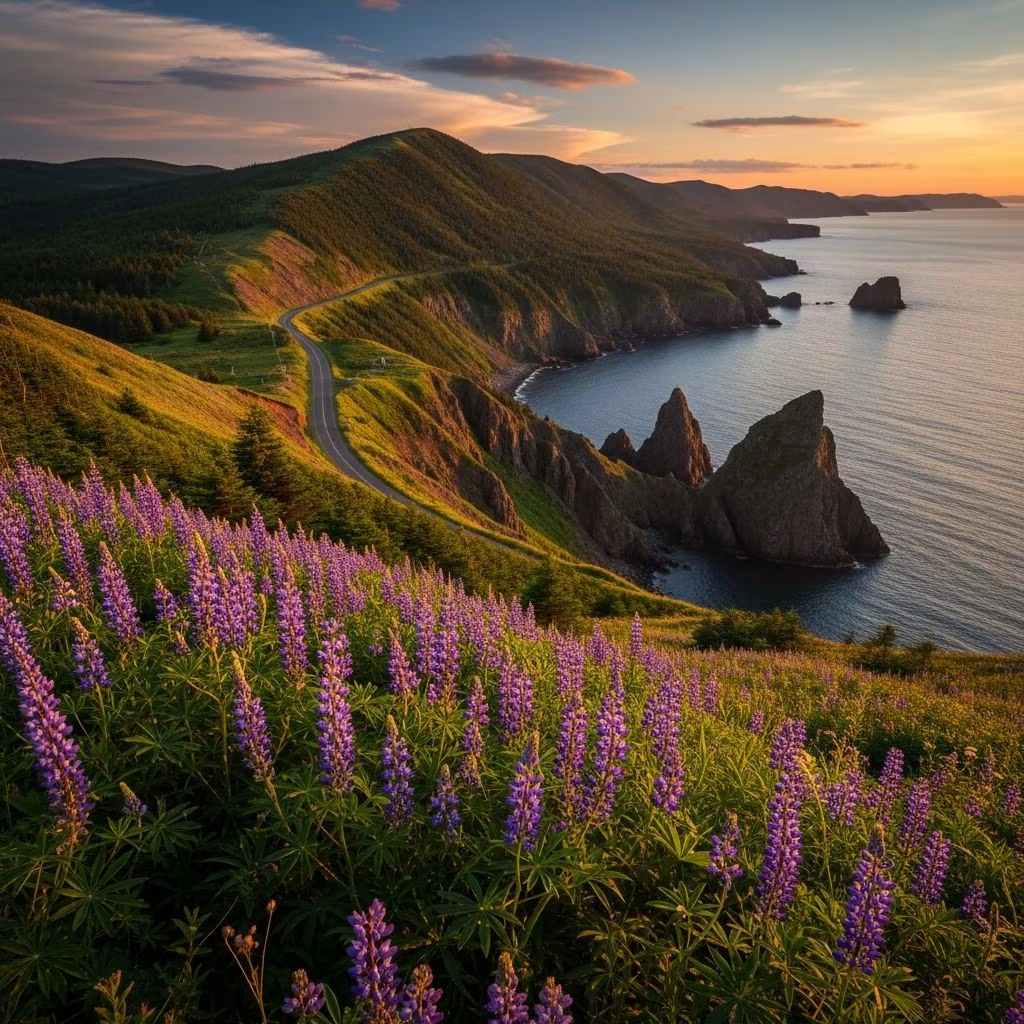
Cape Breton Highlands National Park stands as Nova Scotia’s premier destination for dramatic scenery and wildlife viewing. Spanning 948 square kilometers on northern Cape Breton Island, it features mountains, valleys, waterfalls, rocky coastlines, and a tundra-like plateau known as the Cape Breton Highlands. The park’s highest point, White Hill, rises to 533.5 meters, offering panoramic vistas.
A highlight is the renowned Cabot Trail, with a significant portion weaving through the park. This scenic drive reveals moose, black bears, coyotes, endangered Canada lynx, and bald eagles amid Acadian and Boreal forests. Beyond driving, 26 hiking trails cater to various abilities, including the famous Skyline Trail for sunset views and moose spotting. Beaches, campgrounds, and coastal lookoffs add to the appeal, making it ideal for multi-day explorations.
Nestled in southwest Nova Scotia, Kejimkujik National Park and National Historic Site covers vast forests, lakes, rivers, and ponds, with Kejimkujik Lake as its centerpiece. About 2.5 hours from Halifax, it’s renowned for canoeing and camping in a serene inland setting. As Nova Scotia’s only dark-sky preserve, it offers exceptional stargazing.
The park holds deep Mi’kmaq significance, with ancient petroglyphs and trails paddled for millennia. Visitors can hike or bike forested paths, observe rare species like boreal felt lichen, and join guided cultural tours. The adjacent Kejimkujik Seaside extends protection to coastal barrens and raised beaches, providing a contrast with freshwater adventures.
| Feature | Inland Kejimkujik | Seaside Kejimkujik |
|---|---|---|
| Landscape | Lakes, forests, rivers | Coastal barrens, beaches |
| Key Activity | Canoeing, stargazing | Beachcombing, kayaking |
| Unique Draw | Mi’kmaq petroglyphs | Piping plover habitat |
Located 300 kilometers offshore, Sable Island National Park Reserve is a remote gem known for its herd of over 400 wild horses, shipwreck history, and vast sand dunes. This 30-kilometer-long island protects unique grasslands and wetlands, home to seals, migratory birds, and Ipswich sparrows.
Access is limited to guided tours, helicopter flights, or research expeditions, emphasizing its fragile ecosystem. Day trips from Halifax or overnight stays reveal dramatic weather shifts and pristine beaches. It’s a must for wildlife enthusiasts seeking an untamed Atlantic experience.
While primarily a historic site, the Fortress of Louisbourg on Cape Breton’s southeast coast immerses visitors in 18th-century French colonial life. This reconstructed stronghold features costumed interpreters demonstrating daily routines, cannon firings, and cuisine of the era. Surrounded by coastal trails, it blends history with natural beauty.
Nova Scotia’s national historic sites enrich park visits with tales of innovation and settlement:
To maximize your trip, consider a road trip itinerary combining Cape Breton Highlands with Kejimkujik and coastal sites. Parks Canada provides reservations for camping and shuttles; entry fees apply year-round. Pack for variable weather, insect repellent, and bear spray where needed. Accessibility varies, with many trails offering wheelchair-friendly options.
| Park/Site | Drive from Halifax | Entry Fee (Adult) | Camping Available |
|---|---|---|---|
| Cape Breton Highlands | 5-6 hours | $8.50/day | Yes |
| Kejimkujik | 2.5 hours | $8.50/day | Yes |
| Sable Island | Boat/helicopter | Varies | Limited |
These parks safeguard endangered species and unique habitats. Cape Breton hosts moose populations exceeding 5,000, while Kejimkujik protects culturally modified trees. Sable Island’s horses roam freely, a symbol of natural resilience. Conservation efforts focus on climate adaptation and Indigenous-led stewardship.
Cape Breton Highlands National Park offers 26 trails, including the iconic Skyline Trail, amid stunning highland scenery.
Yes, oTENTiks, yurts, and backcountry sites are available, with prime stargazing opportunities.
Book guided tours or flights; independent access is restricted to protect wildlife.
Alexander Graham Bell and Fortress of Louisbourg feature interactive exhibits and demonstrations.
Daily or annual Parks Canada passes; reserve campsites in advance.
