

 Travel Essentials
 Travel Essentials

Explore Oaxaca's handicraft villages, where local artisans craft pottery, textiles, woodcarvings, and more using time-honored techniques. Plan your cultural day trips.
 Travel Essentials
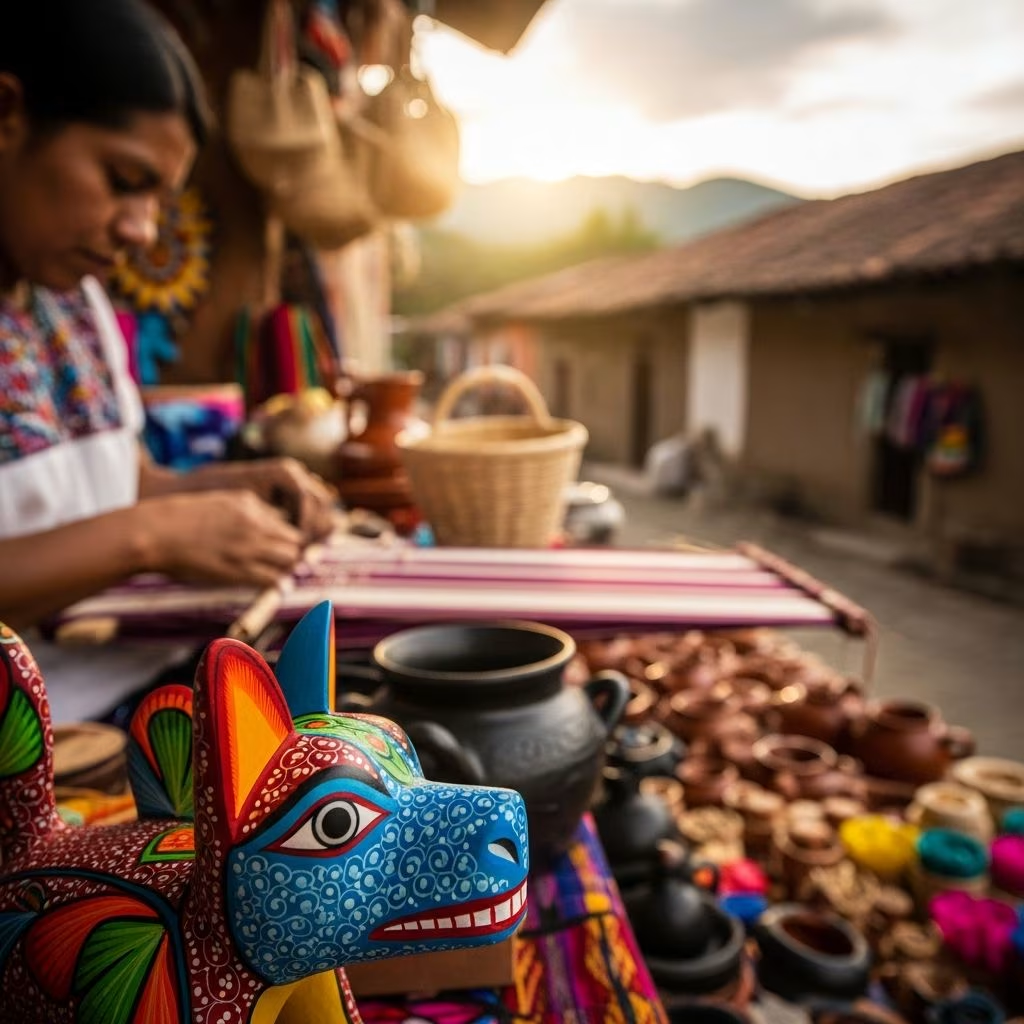
Oaxaca, Mexico, stands as a vibrant hub of indigenous creativity, where surrounding villages specialize in unique handicrafts passed down through generations. These communities produce everything from fantastical wood sculptures to intricate textiles, offering travelers an authentic glimpse into cultural heritage.
Scattered within a short drive from Oaxaca City, these villages provide more than souvenirs—they reveal the stories, techniques, and daily lives of artisans. Unlike urban markets, visiting workshops lets you observe processes like natural dyeing or clay polishing firsthand. This immersion supports local economies and preserves traditions amid modernization. Many sites combine easily with archaeological tours, such as Monte Albán, making them ideal for day trips.
Oaxaca’s handicrafts draw from Zapotec, Mixtec, and other indigenous roots, blending pre-Hispanic methods with colonial influences. Key categories include:
These crafts thrive due to community cooperatives and family workshops, ensuring authenticity.
Alebrijes, those surreal creatures blending animals and fantasy, define Oaxaca’s folk art scene. Two villages lead production: San Antonio Arrazola and San Martín Tilcajete.
In San Antonio Arrazola, considered the birthplace of alebrijes, visitors find quieter workshops away from tourist crowds. The renowned Manos Que Ven studio, run by blind sculptor José García and family, crafts pieces from small ornaments to massive sculptures. Prices start under $10, scaling with complexity. The natural twists of copal wood guide designs, painted with fine brushes for intricate patterns. Arrazola’s appeal lies in its welcoming artisans and origin story, predating commercial fame.
Nearby San Martín Tilcajete hosts larger operations like Jacobo and María Ángeles’ workshop, famous for elaborate, museum-quality alebrijes. Tours here demonstrate carving, sanding, and multi-layered painting, often with natural pigments. These pieces inspired elements in Pixar’s Coco, drawing global fans. Both villages sit about 15-20 miles south of Oaxaca City, perfect for half-day explorations.
Weaving anchors Oaxaca’s textile legacy, with villages producing rugs, belts, and apparel from sheep wool or cotton.
Teotitlán del Valle, in the Valley of Oaxaca, is world-famous for pedal-loom rugs dyed with cochineal insects, indigo, and moss. Cooperatives like Mujeres Tejedoras offer vast selections at fair prices, cheaper than city shops. Watch weavers spin yarn from raw materials into finished tapestries featuring geometric Zapotec motifs.
For pre-Hispanic backstrap looms, head to Santo Tomás Jalieza, 15 miles south. Women demonstrate waist-tension weaving, crafting belts, purses, and runners sold daily in the main square—Fridays bustle most. Combine with Ocotlán de Morelos markets for mezcal tastings.
Lesser-known Pueblo Nuevo in the Etla Valley specializes in full textile production: spinning, weaving, and sewing. Looms echo through family shops, yielding affordable garments far below city rates.
Clay work spans utilitarian to ornamental, with distinctive styles per village.
San Bartolo Coyotepec excels in barro negro (black clay), pioneered by Doña Rosa. Artisans shape pots without wheels, polish for shine, and fire for obsidian-like finish. Workshops display jars, animals, and lamps, blending function and art. Located en route from Oaxaca City, it’s a quick stop.
Just 3 miles from Monte Albán, Santa María Atzompa crafts green-glazed pottery since Zapotec times. The co-op market stocks everyday dishes and jugs, while home studios offer ornate figurines. This site’s proximity to ruins enhances combo visits.
San Antonino Castillo Velasco, near Ocotlán, produces superior embroidered huipiles (blouses) and dresses with dense floral designs. Artisans outperform city vendors in quality; seek them out for custom pieces.
In Etla Valley’s Magdalena Apasco, cantera stone carvers create bowls, fountains, and statues echoing colonial architecture. Workshops reveal chiseling skills on this durable rock, ideal for garden decor.
Most villages lie within 50 miles of Oaxaca City, accessible by bus, taxi, or tours. Suggested itineraries:
| Day Trip Theme | Villages | Highlights | Travel Time |
|---|---|---|---|
| Alebrijes Focus | San Antonio Arrazola, San Martín Tilcajete | Workshops, carvings | 30-45 min |
| Textiles Trail | Teotitlán del Valle, Santo Tomás Jalieza | Weaving demos, markets | 20-40 min |
| Pottery Path | San Bartolo Coyotepec, Santa María Atzompa | Barro negro, green glaze | 15-30 min |
| Mixed Culture | Ocotlán de Morelos, San Antonino | Embroidery, markets, mezcal | 30 min |
Tours average $50-100 USD, including transport and guides. Go early to avoid heat; bargaining is common but respectful.
Buying directly sustains families, as city markups can double costs.
Base in Oaxaca City for easy access. Pair village trips with Benito Juárez Market for urban crafts or Alcalá Street vendors. Evening murals in Jalatlaco add flair post-tour. Seasonal festivals amplify artisan displays.
Options include colectivos (shared vans, $2-5), taxis ($20-50 roundtrip), or guided tours. Buses depart from the second-class terminal.
Yes, they’re welcoming and low-crime, but join groups if new to the area. Stick to daylight hours.
October-May for mild weather; avoid rainy June-September. Guelaguetza Festival (July) boosts crafts.
Many artisans accept commissions for sizes, colors, or designs—discuss timelines upfront.
Limited; pack snacks or eat in Ocotlán. Day trips suit most; Oaxaca City offers stays.
Challenges like urbanization threaten traditions, but tourism aids preservation. Initiatives teach youth skills, while fair trade elevates value. Your visit contributes to this enduring tapestry.
