

 Travel Essentials
 Travel Essentials

Explore Oaxaca's most important religious and civic festivals, from indigenous celebrations to national observances that showcase Mexico's vibrant cultural heritage.
 Travel Essentials
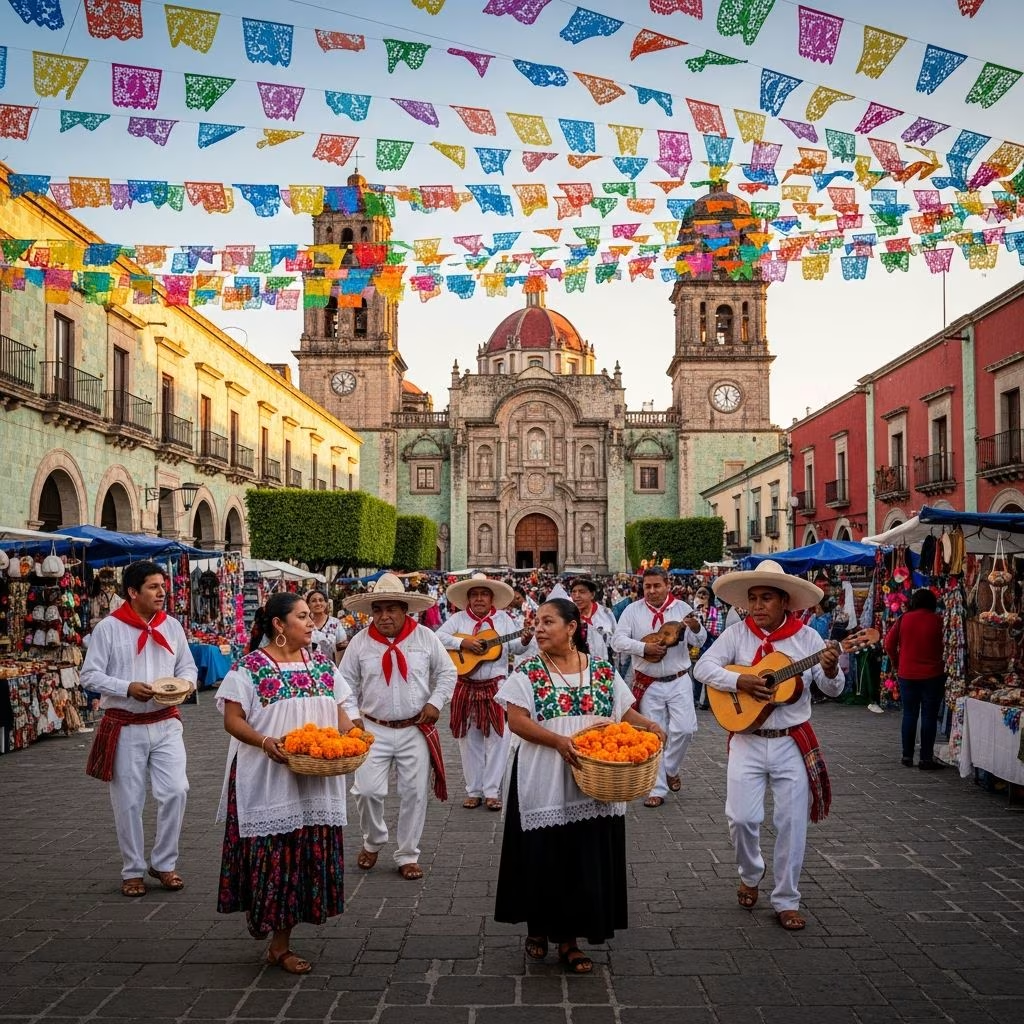
Oaxaca stands as one of Mexico’s most culturally vibrant regions, a place where ancient indigenous traditions intertwine seamlessly with Spanish colonial heritage and modern civic observances. Throughout the calendar year, the state hosts numerous festivals that reflect both its profound spiritual beliefs and its patriotic commitments. These celebrations draw visitors from around the world, offering authentic glimpses into Mexican culture and allowing both locals and tourists to participate in meaningful communal experiences.
The rhythm of life in Oaxaca is largely dictated by its festival calendar. From the earliest months of January through December, there is always something worth celebrating. These festivals serve multiple purposes: they honor religious figures, commemorate historical events, acknowledge seasonal changes, and strengthen community bonds. Whether you’re planning a trip to this enchanting state or simply curious about its cultural practices, understanding these celebrations provides valuable insight into what makes Oaxaca unique.
What distinguishes Oaxaca’s festivals from celebrations elsewhere in Mexico is their particular blend of indigenous Zapotec and Mixtec traditions alongside Catholic observances. This fusion creates events that are distinctly Oaxacan, with their own local flavors, foods, music, and ceremonial practices.
One of the most significant religious observances across Mexico occurs on December 12, when the nation celebrates its patron saint, Our Lady of Guadalupe. In Oaxaca, this celebration carries particular importance and charm. Parents throughout the region prepare their children in traditional peasant clothing, creating a visual spectacle of cultural continuity. These families then make pilgrimages to the Iglesia de Guadalupe, located on the northern edge of Llano park.
The religious component of the celebration centers on receiving priestly blessings inside the church. After completing this sacred duty, attendees line up before an image of the Virgin outside the church. Professional photographers maintain stalls to capture commemorative photographs, a tradition that has endured for generations. The surrounding park transforms into a vibrant marketplace and carnival atmosphere, with numerous food vendors offering traditional snacks and mechanical rides providing entertainment for children.
The Feast of Guadalupe holds special significance in Mexico’s annual calendar because it unofficially launches the Christmas season. The festive spirit initiated on December 12 continues through various observances until January 6, when Kings’ Day concludes the extended holiday period. This extended celebration demonstrates how Mexicans blend religious observance with community gathering and family bonding.
Perhaps no Oaxacan celebration captures international attention quite like Día de Muertos, or Day of the Dead. Occurring between late October and early November, this festival reflects a philosophical approach to death that differs markedly from many Western cultures. Rather than viewing death with fear or sadness alone, Oaxacans celebrate it as a natural part of existence and an opportunity to honor loved ones who have passed.
During these several days, families spare no expense in preparing for the arrival of deceased relatives’ souls, regardless of their economic circumstances. The celebration encompasses numerous traditions and practices:
The philosophical foundation of Day of the Dead rests on the belief that deceased loved ones return to visit the living world for two days. This celebration represents not a morbid obsession with death but rather a celebration of life and memory, a time when families reconnect with their heritage and honor the bonds that transcend mortality.
If one festival represents the heart of Oaxacan cultural identity, it is undoubtedly Guelaguetza, also known as Los lunes del cerro (Mondays on the Hill). Occurring during July, this annual indigenous cultural event brings together representatives from across the state to showcase the region’s remarkable ethnic diversity.
Guelaguetza celebrates the cultural heritage of Oaxaca’s eight distinct regions and 16 different ethnic groups. Often referred to as “La Fiesta Máxima” (the maximum festival), Guelaguetza stands as the most famous folk festival in Mexico. The festival’s origins and development reflect Oaxaca’s commitment to preserving indigenous traditions in an increasingly modernized world.
The festival features multiple elements that create a comprehensive cultural experience:
| Festival Element | Description |
|---|---|
| Traditional Dance Performances | Costumed dance groups, often organized by gender as tradition dictates, perform indigenous dances from their regions |
| Indigenous Walking Bands | Parade participants include musicians playing traditional instruments and leading processions |
| Regional Cuisine | Each ethnic group prepares and serves traditional foods representing their region |
| Artisanal Crafts | Prehispanic-style textiles and other handmade crafts from throughout the state are displayed and sold |
| Preliminary Events | The festival generates events and activities for weeks leading up to the main celebration |
One significant component of Guelaguetza is the Mezcal Fair (La Feria de Mezcal), which showcases over 125 Oaxacan mezcal producers at the Convention Center. The Great Mezcal Party (La Gran Fiesta del Mezcal) extends across five days during the festival, offering participants tastings, palenque tours, and distillery visits. This integration of culinary and alcoholic traditions with the broader cultural celebration demonstrates how Oaxacans present their complete cultural identity.
The festival’s influence extends beyond Oaxaca City itself. Secondary versions occur throughout the state and in nearby villages during various times of year. Puerto Escondido hosts a notable Guelaguetza celebration just after Day of the Dead, allowing visitors to experience two of Oaxaca’s most iconic festivals in a single trip.
Mexican Independence is commemorated on September 15-16, with the evening of the 15th holding particular significance. Throughout Mexico, including Oaxaca, communities gather for celebrations known as “El Grito” (the shout or cry of independence). In Oaxaca’s central plaza, the Zocalo, crowds assemble to participate in this historic reenactment.
At 11 pm on September 15, the governor appears on the balcony of the Palacio de Gobierno (Government Palace) and leads the traditional shout of independence. The assembled crowd responds with enthusiastic cries of “¡Viva!” (Long live!), echoing through the plaza and neighboring streets. This ceremonial exchange connects modern Oaxacans with their nation’s independence struggle and reaffirms their commitment to national identity.
The celebration continues throughout September 16, with additional festivities, parades, and civic ceremonies occurring throughout the day. This extended observance demonstrates how deeply Mexican independence resonates in Oaxacan consciousness and how communities use this national celebration to reinforce local pride and patriotism.
Beyond the major celebrations, Oaxaca hosts numerous other festivals that reflect specific regional traditions and religious devotions. These smaller celebrations often receive less international attention but provide equally authentic glimpses into Oaxacan culture.
Veneration of the Black Christ from Escipulas represents one such observance, drawing on pre-Columbian and colonial religious syncretism. The posadas (pre-Christmas gatherings) occurring December 15-24 recreate Mary and Joseph’s search for lodging before Jesus’s birth. Summer celebrations featuring the intricate danza de la pluma (feather dance) honor the precious blood of Christ, with elaborate parades called calendas winding through village streets, led by 30-piece bands.
These diverse celebrations underscore how completely festivals permeate Oaxacan life. Religion, civic pride, seasonal awareness, and community identity all find expression through organized celebrations that follow the calendar throughout the year.
For travelers interested in experiencing Oaxaca’s festivals, careful planning enhances the experience significantly. Understanding which festivals align with your travel dates, making advance accommodations, and researching specific traditions helps ensure meaningful participation rather than mere observation.
Each festival carries its own character and timing. Guelaguetza in July represents the largest and most elaborate celebration, attracting international visitors and requiring early booking. Day of the Dead festivals between October-November appeal to those interested in spiritual and ancestral traditions. Smaller regional celebrations often provide more intimate experiences with local communities.
The diversity of Oaxaca’s festival calendar means that nearly any travel date offers opportunity to witness cultural celebrations. Whether you seek large, internationally-known events or intimate regional observances, Oaxaca’s rich festival tradition accommodates various preferences and interests.
July hosts Guelaguetza, Mexico’s most famous folk festival. For Day of the Dead experiences, visit late October through early November. December offers the Feast of Guadalupe celebrations, and September brings Independence Day festivities.
Most Oaxacan festivals welcome visitors. However, some ceremonies are more reserved. Respecting local customs, asking permission before photographing, and dressing appropriately demonstrates cultural sensitivity and typically allows fuller participation.
Religious feast days follow fixed calendar dates, but some festivals’ specific dates vary yearly based on lunar calculations or local traditions. Checking current information before traveling ensures accurate timing.
Comfortable walking shoes are essential since festivals involve significant movement and standing. Wearing modest, respectful clothing demonstrates cultural consideration. Bringing sun protection and layers allows adaptation to changing weather and evening temperatures.
Oaxaca’s festivals represent far more than tourist attractions or calendar entries. They embody the region’s identity, values, and worldview. Through these celebrations, Oaxacans maintain connections with pre-Columbian indigenous heritage, Catholic spiritual traditions, and Mexican national consciousness simultaneously. For visitors, participating in these festivals offers transformative cultural experiences and deeper understanding of Mexico’s complexity and richness. Whether you witness the grand spectacle of Guelaguetza, the intimate spirituality of Day of the Dead, or the patriotic fervor of Independence Day celebrations, Oaxaca’s festivals reveal what makes this region extraordinary.
