


 Food & Culture
Food & Culture
Oaxaca Travel Guide: Culture, Food, Ruins & Natural Wonders
An essential travel guide to Oaxaca featuring archaeological sites, traditional experiences, regional cuisine, and natural attractions for every traveler.
 Food & Culture
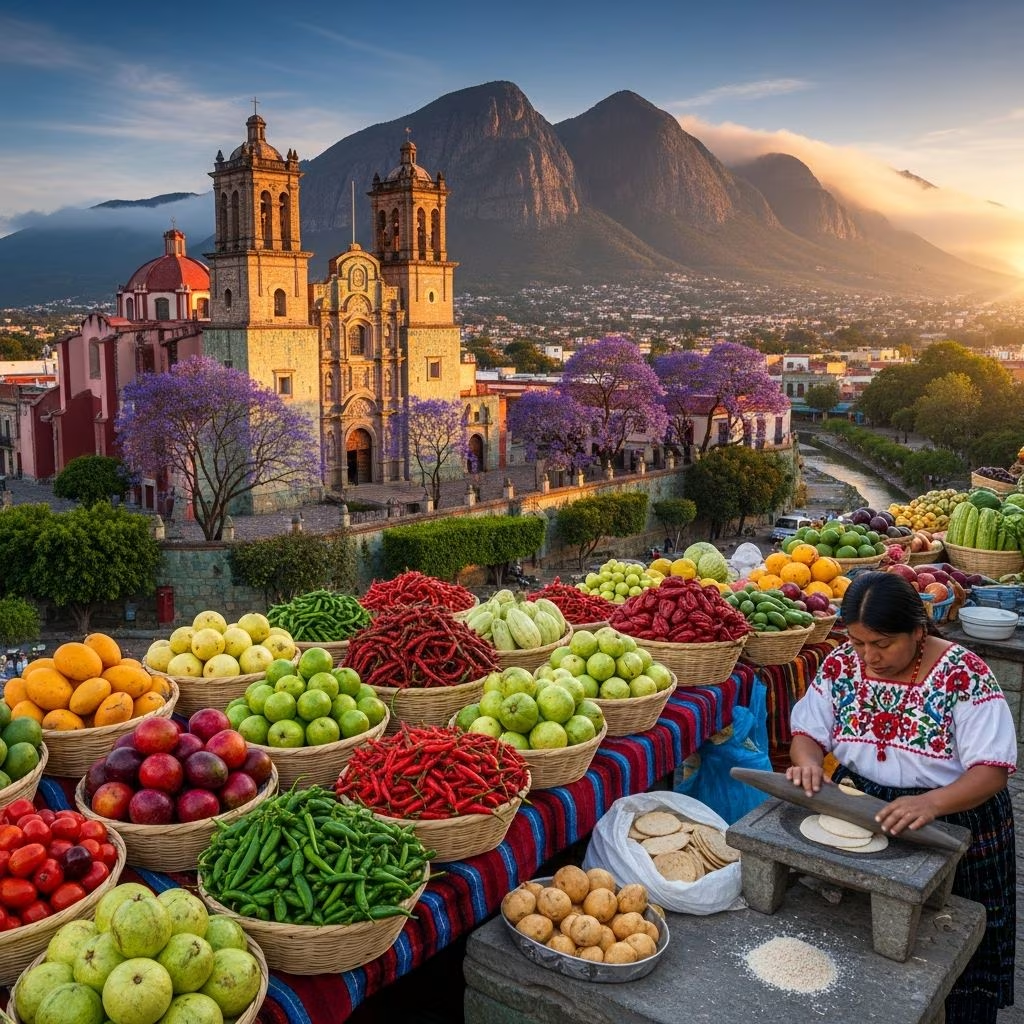
Nestled in southwestern Mexico, Oaxaca represents one of the country’s most compelling destinations for travelers seeking authentic cultural immersion, archaeological treasures, and gastronomic excellence. As Mexico’s most biodiverse state, Oaxaca combines pre-Columbian heritage with indigenous traditions that remain vibrant in contemporary society. Whether you’re a history enthusiast, food lover, or adventure seeker, Oaxaca offers experiences that transcend typical tourism.
Understanding Oaxaca’s Cultural Significance
Oaxaca holds profound importance in Mexican history and contemporary culture. The state’s identity emerges from the interplay between pre-Hispanic civilizations, Spanish colonial influence, and resilient indigenous communities. The Zapotec people, whose presence dates back millennia, continue to shape the region’s character through language, art, and traditions. This cultural layering creates a destination where visitors encounter living history rather than merely preserved relics.
The region’s recognition extends to international designations—both Oaxaca City and Monte Albán archaeological site hold UNESCO World Heritage status, acknowledging their universal cultural value. This official recognition underscores why visitors prioritize Oaxaca as a meaningful travel destination.
Archaeological Foundations: Ancient Civilizations Unearthed
Monte Albán: Gateway to Zapotec Ingenuity
Monte Albán stands as a preeminent archaeological complex where visitors encounter remnants of one of Mesoamerica’s most sophisticated civilizations. Dating to approximately 500 BCE, this pre-Columbian site represents the oldest ruins in Mexico, with occupation continuing through the Spanish arrival (AD 500-700). The archaeological park encompasses approximately 170 tombs scattered across elevated terrain that commands panoramic views of surrounding mountains and Oaxaca City below.
The site features distinctive architectural elements including a grand plaza, truncated pyramids, and a ball court—structures that illustrate advanced urban planning and astronomical knowledge. Among the most intriguing discoveries are Los Danzantes, carved stone slabs depicting contorted human figures. While historical interpretation suggested these represented dancers, contemporary archaeological consensus increasingly recognizes them as prisoners depicted mid-punishment, offering sobering insights into pre-Columbian judicial practices.
For optimal exploration, morning visits maximize comfort given limited shade across the expansive site. Transportation from the city typically requires 30 minutes via taxi or organized tours.
Mitla: Geometric Precision and Architectural Innovation
Less crowded than Monte Albán, Mitla presents a distinct archaeological experience characterized by intricate geometric carvings reminiscent of classical Greek pottery patterns. This secondary site offers valuable comparative study of Zapotec architectural development and decorative traditions. Mitla’s pueblo mágico (magical town) designation permits exploration of contemporary indigenous community life alongside archaeological investigation, creating a more integrated cultural experience.
Religious and Artistic Monuments
Templo de Santo Domingo: Baroque Splendor and Cultural Fusion
The Templo de Santo Domingo represents extraordinary ecclesiastical architecture and symbolic cultural synthesis. This former monastery exemplifies Baroque design principles manifested through soft stone exteriors contrasting with extraordinarily intricate gold-leaf interior ornamentation. The structure’s expansive layout accommodates both casual exploration and comprehensive guided interpretation of religious history and architectural significance.
Adjacent to the temple, the Museo de las Culturas (Museum of Cultures) provides scholarly context for understanding indigenous communities spanning pre-Hispanic to contemporary periods. The museum’s exhibition of artifacts from Tomb 7 at Monte Albán—featuring gold, silver, and gemstone treasures—illuminates the sophisticated artisanal traditions and economic complexity of ancient Zapotec civilization.
Culinary Immersion and Gastronomic Excellence
Mole: Complexity in Every Bite
Oaxaca’s culinary reputation centers fundamentally on mole, a complex sauce category encompassing numerous regional variations. Rather than representing a single dish, mole encompasses distinct preparations employing diverse ingredient combinations—some featuring chocolate, chiles, nuts, and spices in intricate proportions developed across generations. Structured tastings comparing multiple mole varieties enable appreciators to distinguish subtle flavor variations, ingredient contributions, and cultural significance embedded within each preparation.
Mezcal: Spirit of Place and Tradition
Mezcal production deeply intertwines with Oaxacan identity and represents an UNESCO-protected designation of origin. This distilled spirit derives from agave plants through traditional methods involving underground pit roasting, hand-operated grinding equipment, and extended fermentation processes. Educational tastings paired with mole samples demonstrate how regional ingredients harmonize across culinary and beverage traditions, creating comprehensive sensory understanding of Oaxacan gastronomy.
Santiago Matatlan, despite its modest population, functions as Mexico’s mezcal capital, hosting over 100 distilleries where visitors witness production processes and sample diverse expressions of this ancestral spirit.
Market Exploration and Cooking Experiences
Structured cooking classes beginning with market visitation provide foundational knowledge of ingredient selection, seasonal availability, and preparation fundamentals. Walking through vibrant market stalls alongside instructors builds cultural connection while teaching classical Oaxacan dish preparation. This hands-on engagement transforms abstract concepts into tangible culinary skills and deeper appreciation for regional food traditions.
Indigenous Wellness Practices and Cultural Authenticity
Temazcal: Traditional Health Practices
The temazcal represents a pre-Hispanic wellness tradition maintaining cultural significance within indigenous Zapotec communities. This ceremonial sweat lodge employs heated stones and herbal treatments based on centuries-old understanding of therapeutic benefits. Contemporary temazcal experiences operated by indigenous practitioners offer visitors respectful engagement with living cultural practices rather than commodified tourism spectacles. Such authentic cultural exchanges foster genuine understanding and equitable economic benefit for indigenous communities maintaining these traditions.
Natural Attractions: Geological Marvels
Hierve el Agua: Petrified Formations and Mineral Pools
Hierve el Agua represents one of only two petrified waterfall formations globally, situated approximately 90 minutes from Oaxaca City. Over millennia, mineral-laden spring water runoff creates dramatic travertine formations resembling cascading waterfalls frozen in geological time. The accessible 1.6-mile loop trail leads to natural infinity pools where visitors bathe in mineral-rich water while absorbing spectacular mountain vistas.
Due to visitor capacity restrictions (200 daily maximum), early morning arrival maximizes experience quality. Accessing this attraction requires either personal vehicle rental or organized tour participation, with the latter eliminating navigation concerns regarding unpaved final approach roads.
Botanical and Ecological Exploration
Jardín Etnobotánico de Oaxaca: Biodiversity Preservation
The Oaxaca Botanical Garden showcases the region’s extraordinary biodiversity—the state contains more plant species than many entire countries. This garden originated through environmental activism, preventing luxury hotel development that would have destroyed ecological habitat. The curated collection demonstrates sustainable living practices and medicinal plant knowledge developed through indigenous botanical understanding spanning centuries.
The garden’s convenient location behind the Santo Domingo complex enables integrated itinerary planning, with museum windows offering vantage points overlooking botanical displays.
Artisan Communities and Traditional Craftsmanship
Teotitlán del Valle: Weaving Heritage
Teotitlán del Valle preserves centuries-old weaving traditions through family workshops employing ancestral techniques. Dozens of family operations continue producing handwoven rugs, textiles, and decorative items using wooden equipment and natural dyes prepared through time-honored methods. Direct interaction with weavers demonstrates equipment functionality and dye-making processes, creating appreciation for craftsmanship that transforms raw materials into artistic expressions.
Local Artisan Markets and Design Aesthetics
Exploring street markets and established shops permits acquisition of authentic handcrafted items while supporting local artisans economically. Oaxacan design traditions emphasize vibrant colors, geometric patterns, and symbolic motifs reflecting indigenous cultural heritage and contemporary artistic expression.
Urban Exploration and Social Gathering Spaces
The Zócalo: Heart of Oaxaca City
The Zócalo functions as Oaxaca City’s primary gathering space and social nucleus where locals and visitors converge during evening hours. This central plaza features pathways, vendor stalls offering regional street foods, and informal performance opportunities. Multi-generational families, teenagers socializing, street musicians, and occasional well-groomed companion animals populate this authentic urban environment, embodying local culture at its most vibrant and unmediated.
Jalatlaco Neighborhood: Colorful Authenticity
This historic neighborhood showcases Oaxaca’s architectural character through colonial buildings painted in distinctive regional color palettes. Wandering Jalatlaco’s streets reveals galleries, small restaurants, and craft workshops representing contemporary artistic expression grounded in traditional cultural foundations.
Practical Exploration Strategies
Guided Tours and Independent Exploration
Walking tours covering the historic center, markets, and street food establishments provide orientation for first-time visitors while offering cultural context difficult to acquire through independent exploration. Alternatively, self-guided wandering permits spontaneous discoveries and personal pace adjustment.
Day Trip Optimization
Comprehensive day excursions combining multiple sites—such as Mitla, Hierve el Agua, Tule tree, textile workshops, and mezcal distilleries—maximize territorial coverage for time-limited visitors. Strategic timing and transportation coordination distinguish rushed visits from meaningful cultural engagement.
Accessibility and Visitor Considerations
| Activity | Duration | Physical Demand | Best Timing |
|---|---|---|---|
| Monte Albán | 3-4 hours | Moderate to High | Early morning |
| Hierve el Agua | 4-5 hours | Moderate | Early departure |
| Cooking Classes | 4-5 hours | Low | Morning |
| Temazcal Experience | 2-3 hours | Low to Moderate | Afternoon/Evening |
| Market Exploration | 1-2 hours | Low | Early morning |
Frequently Asked Questions
What is the optimal duration for an Oaxaca visit?
A minimum three-day visit permits exploration of major archaeological sites, cultural institutions, and market experiences. Five to seven days enable more comprehensive investigation including day excursions to natural attractions and artisan communities.
How does Oaxacan mole differ from other Mexican sauces?
Mole encompasses distinct regional preparations with varying ingredient ratios and flavor profiles. Oaxaca specifically produces multiple mole variations (some sources cite over 30 distinct types), each reflecting specific communities’ historical development and ingredient availability. Complexity distinguishes mole from simpler salsa preparations.
Is mezcal consumption safe for visitors?
Mezcal represents a legitimately produced and regulated spirit. Authentic mezcal from established distilleries meets safety standards. The mythological association between mezcal and hallucinogenic experiences derives from outdated legends rather than current production realities.
Can visitors participate meaningfully in indigenous cultural experiences?
Authentic experiences operated by indigenous practitioners—such as temazcal sessions led by Zapotec guides—provide respectful cultural engagement generating economic benefit for indigenous communities. Participation requires approaching these experiences with cultural humility and genuine interest rather than tourism consumption mentality.
What transportation options connect Oaxaca City to outlying attractions?
Options include organized tours, personal vehicle rental, ride-sharing applications, and traditional taxi services. Tours eliminate navigation concerns but reduce autonomy. Vehicle rental provides flexibility for independent travelers. Prices and convenience vary by preference and comfort level with local infrastructure.
Conclusion: Oaxaca Beyond Tourism
Oaxaca transcends conventional tourist destinations by offering substantive engagement with living cultures, ancient histories, and natural systems that shaped human civilization. The region’s UNESCO designations acknowledge not merely historical significance but contemporary cultural vitality. Archaeological sites contain physical evidence of sophisticated societies; markets display vibrant contemporary expression; natural formations inspire awe; indigenous practices persist through conscious community commitment.
Meaningful Oaxaca experiences require temporal investment, cultural curiosity, and willingness to move beyond superficial encounters. The state rewards such dedication through transformative travel experiences integrating history, ecology, gastronomy, and authentic human connection.
References
- Monte Albán Archaeological Zone — UNESCO World Heritage Centre. 2023. https://whc.unesco.org/en/list/1349/
- Oaxaca City — UNESCO World Heritage Centre. 2015. https://whc.unesco.org/en/list/415/
- Mezcal: A Comprehensive History — Secretaría de Gobernación, México. Denominación de Origen Mezcal. https://www.gob.mx/cultura
- Biodiversity in Oaxaca — Comisión Nacional para el Conocimiento y Uso de la Biodiversidad (CONABIO). 2024. https://www.conabio.gob.mx/
- Zapotec Civilization and Monte Albán — Academic Press. JSTOR Digital Collection. https://www.jstor.org/
On This Page
Understanding Oaxaca's Cultural Significance Archaeological Foundations: Ancient Civilizations Unearthed Religious and Artistic Monuments Culinary Immersion and Gastronomic Excellence Indigenous Wellness Practices and Cultural Authenticity Natural Attractions: Geological Marvels Botanical and Ecological Exploration Artisan Communities and Traditional Craftsmanship Urban Exploration and Social Gathering Spaces Practical Exploration Strategies Accessibility and Visitor Considerations Frequently Asked Questions Conclusion: Oaxaca Beyond Tourism← Previous
Big Bend National Park Guide: Trails, Scenic Drives & Travel Tips
Next →
Morocco Travel Guide: Tips, Customs & Must-Know Advice
Related Reading
More in Food & Culture
Food & Culture Food & Culture
 Food & Culture
Best Places to Eat in Rome: Neighborhood Dining Guide
 Food & Culture
 Food & Culture