 Stays
StaysStays
Obama, Japan: Seafood, History and Off-the-Beaten-Path Charm
Explore Obama, Japan—a historic port city in Fukui Prefecture known for its seafood heritage, preserved architecture, and unique Obama-inspired tourism drawing global visitors.
 Stays
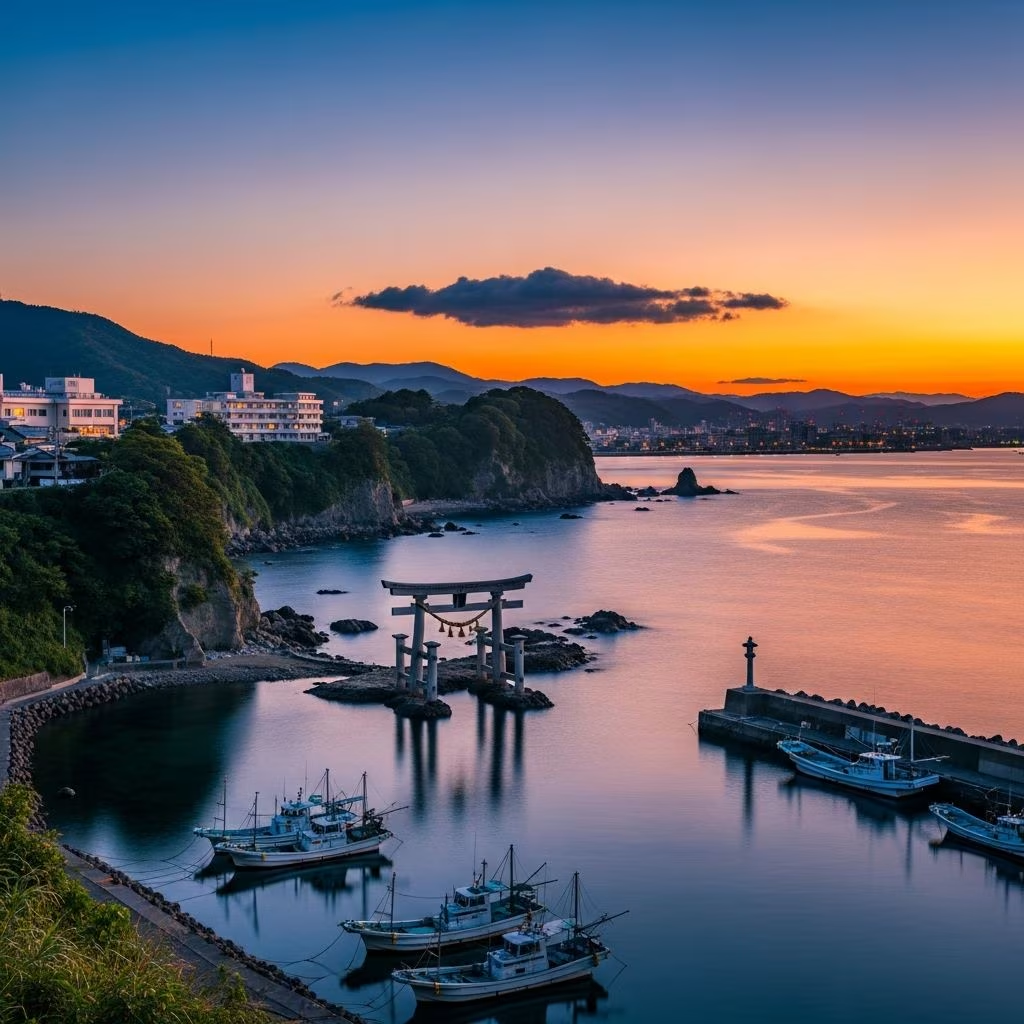
StaysNestled along the rugged coastline of the Sea of Japan in Fukui Prefecture, the city of Obama stands as a testament to Japan’s enduring maritime legacy. With a population hovering around 29,000, this unassuming port town has carved out a niche in the travel world not just for its pristine beaches and culinary treasures, but for its serendipitous name shared with a globally recognized figure. Far from the neon bustle of Tokyo or the temple crowds of Kyoto, Obama offers an authentic slice of rural Japan, where history, hospitality, and high-quality seafood converge to create unforgettable experiences.
A Storied Past: From Ancient Trade Hub to Feudal Port
Obama’s story begins millennia ago, when it served as a vital gateway for cultural exchange between Japan and the Asian mainland. Archaeological evidence points to early commercial ties with China, facilitating the influx of Buddhism and other influences that shaped Japanese society. This strategic location on the Wakasa Bay made it a bustling conduit for goods, ideas, and pilgrims, earning it nicknames like the “Nara by the Sea” due to its historical parallels with the ancient capital.
During the Tokugawa shogunate’s era of relative peace from the 17th to 19th centuries, Obama solidified its role as a key supplier of seafood to Kyoto’s elite. Fishermen hauled in bountiful catches of mackerel, crab, and blowfish, transporting them along ancient routes known as the Saba Kaido or “Mackerel Road.” These paths, still celebrated today, underscore the town’s integral place in Japan’s culinary history. The preserved merchant houses and warehouses from this period paint a vivid picture of daily life, where salt-cured fish sustained imperial courts and common folk alike.
- Key Historical Milestones:
- Ancient port for Buddhist transmission from Asia (pre-8th century).
- Tokugawa-era seafood exporter to Kyoto (1603–1868).
- Meiji-period architecture boom, blending tradition with modernization (1868–1912).
The Obama Name: A Global Phenomenon Boosting Tourism
No discussion of Obama is complete without addressing its most famous coincidence: sharing a name with former U.S. President Barack Obama. The connection gained traction in 2006 when, as a senator, he recounted a lighthearted airport encounter with Japanese customs officials who pointed out the town’s namesake on his passport stamp. Seizing the moment, local leaders launched a savvy marketing campaign, erecting statues, themed souvenirs, and even dubbing the area “Obama-land.”
This playful nod has propelled Obama onto international radars, attracting visitors curious about the quirky mascot culture. While some dismiss it as a gimmick, it has undeniably revitalized the town’s economy. Travelers now flock here for photo ops with Obama-themed mascots, blending humor with genuine cultural immersion. The strategy aligns with Japan’s broader push to promote off-the-beaten-path destinations amid declining rural populations.
| Obama Tourism Initiative | Impact |
|---|---|
| Presidential statues and merchandise | Increased international media coverage |
| Mascot events and festivals | Boosted visitor numbers by 20-30% post-2008 |
| Partnerships with U.S. travel agencies | Steady influx of American tourists |
Culinary Delights: Seafood Capital of Wakasa Bay
Obama’s true crown jewel is its seafood, renowned for freshness and variety. As a historic logistics base, the town supplied Kyoto nobles with delicacies like Echizen crab—one of Japan’s premier snow crab varieties—and Wakasa fugu, the meticulously prepared blowfish. Modern visitors can savor these at local eateries, where chefs fuse traditional Kyoto-style kaiseki with hyper-local ingredients.
The Saba Kaido legacy lives on through seasonal festivals and markets, where mackerel, sardines, and squid take center stage. For an immersive experience, join fishing workshops where participants learn to net, clean, and cook the day’s catch—programs so effective they’ve earned national recognition. Pair your meal with Obama’s signature soy sauce, fermented using age-old methods for a deep umami punch.
- Must-Try Dishes:
- Wakasa fugu sashimi: Delicately sliced blowfish, a test of culinary precision.
- Echizen crab hotpot: Sweet, succulent snow crab in rich broth.
- Saba-zushi: Fermented mackerel sushi, echoing Edo-period flavors.
Preserved Architecture and Authentic Stays
Wandering Obama’s central districts feels like stepping into a Meiji-era postcard. Rows of machiya—traditional wooden townhouses—line narrow streets, their facades boasting intricate latticework and tiled roofs. Many have been lovingly restored into guesthouses, offering stays that blend antique charm with contemporary comforts like Wi-Fi and tatami-mat futons.
Opt for an overnight in a renovated machiya to live like a local: cook with fresh market hauls, sip tea on engawa verandas, and stargaze over the bay. These accommodations, some over 150 years old, provide a serene escape from Japan’s urban frenzy, complete with hosts sharing tales of the town’s seafaring past.
Rural Revitalization: Tackling Japan’s Demographic Challenges
Like many rural Japanese locales, Obama grapples with an aging population and youth exodus. Projections show Japan’s overall numbers dipping to 88 million by 2065, pressuring small towns to innovate. Obama counters with proactive measures: school programs indoctrinating kids in fishing and farming, Airbnb conversions of heritage homes, and eco-tourism ventures highlighting dinosaur fossils nearby—a nod to Fukui’s prehistoric attractions.
Government-backed rural tourism initiatives promote these “rustic experiences,” drawing urbanites and foreigners alike. Success stories include youth-led seafood processing ventures and community festivals that foster intergenerational bonds. While challenges persist, Obama’s model offers hope for sustainable revitalization.
Practical Guide: Planning Your Obama Adventure
Reaching Obama is straightforward: a 70km drive or train ride from Kyoto places you in this coastal haven. Spring cherry blossoms and autumn crab season mark peak times, though summer festivals add vibrancy year-round.
| Getting There | Details |
|---|---|
| Train | JR Obama Line from Kyoto (1.5-2 hours) |
| Bus | Highway buses from Osaka/Kyoto |
| Car |
Budget 2-3 days: one for history walks, one for seafood feasts, and one for relaxation. Entry to most sites is free or nominal; machiya stays range ¥15,000-30,000 per night.
FAQs
Is Obama named after Barack Obama?
No—the town predates the president by centuries, deriving its name from local hot springs (“oba-ma” meaning warm water). The coincidence sparked fun tourism campaigns.
What’s the best time to visit Obama?
November-February for crab season; March-May for fugu. Avoid typhoon-prone September.
Are there family-friendly activities?
Yes—fishing classes for kids, fossil hunts, and beachcombing keep all ages engaged.
How does Obama compare to Kyoto?
Obama offers Kyoto’s culinary soul without the crowds: think imperial seafood in a quaint port setting.
Is English widely spoken?
Limited, but tourist spots have multilingual signage and helpful locals. Apps like Google Translate bridge gaps.
Why Obama Captures Hearts
Obama embodies Japan’s dual spirit: profound history paired with warm hospitality. Whether you’re chasing presidential puns, devouring crab legs, or unwinding in a machiya, this Fukui gem proves rural Japan rivals any hotspot. Its resilience amid demographic shifts inspires, making every visit a meaningful journey into authentic Nippon.
References
- Fukui’s Town of Obama | Visiting So-called “Nara by the Sea” — Donny Kimball. N/A. https://donnykimball.com/obama-7e8ff132f498
- Obama, Fukui – Wikipedia — Wikipedia. 2018-08-01. https://en.wikipedia.org/wiki/Obama,_Fukui
- Live Like a Local in the Port City of Obama — Japan National Tourism Organization. N/A. https://www.japan.travel/en/experiences-in-japan/139/
- Can Fukui’s Obama City Draw Visitors with Rural Tourism Alone? — GaijinPot Blog. N/A. https://blog.gaijinpot.com/can-fukuis-obama-city-draw-visitors-with-rural-tourism-alone/
- Welcome to OBAMA-LAND? Japan’s Nichest Tourist Attraction! — YouTube (Travel Vlog). 2022. https://www.youtube.com/watch?v=17mBlZ7aS9U
On This Page
A Storied Past: From Ancient Trade Hub to Feudal Port The Obama Name: A Global Phenomenon Boosting Tourism Culinary Delights: Seafood Capital of Wakasa Bay Preserved Architecture and Authentic Stays Rural Revitalization: Tackling Japan's Demographic Challenges Practical Guide: Planning Your Obama Adventure FAQs Why Obama Captures Hearts← Previous
Can You Travel with Shingles? Safety Tips Before You Go
Next →
Fukue Island Travel Guide: Hidden Christian Heritage, Beaches & Island Hopping
Related Reading