

 Travel Essentials
 Travel Essentials

Explore Cuba's best-kept secrets: secluded beaches, charming colonial towns, mountain trails, and island escapes that offer genuine cultural immersion away from mainstream tourism.
 Travel Essentials
Cuba attracts millions of visitors annually, yet most remain confined to well-established resorts and famous landmarks. Beyond the familiar circuits of Havana and Varadero lies an entirely different Cuba—one characterized by untouched coastlines, vibrant local communities, and landscapes that challenge conventional tropical stereotypes. This guide explores the island’s lesser-known destinations, offering travelers authentic experiences that capture the true spirit of Caribbean exploration.
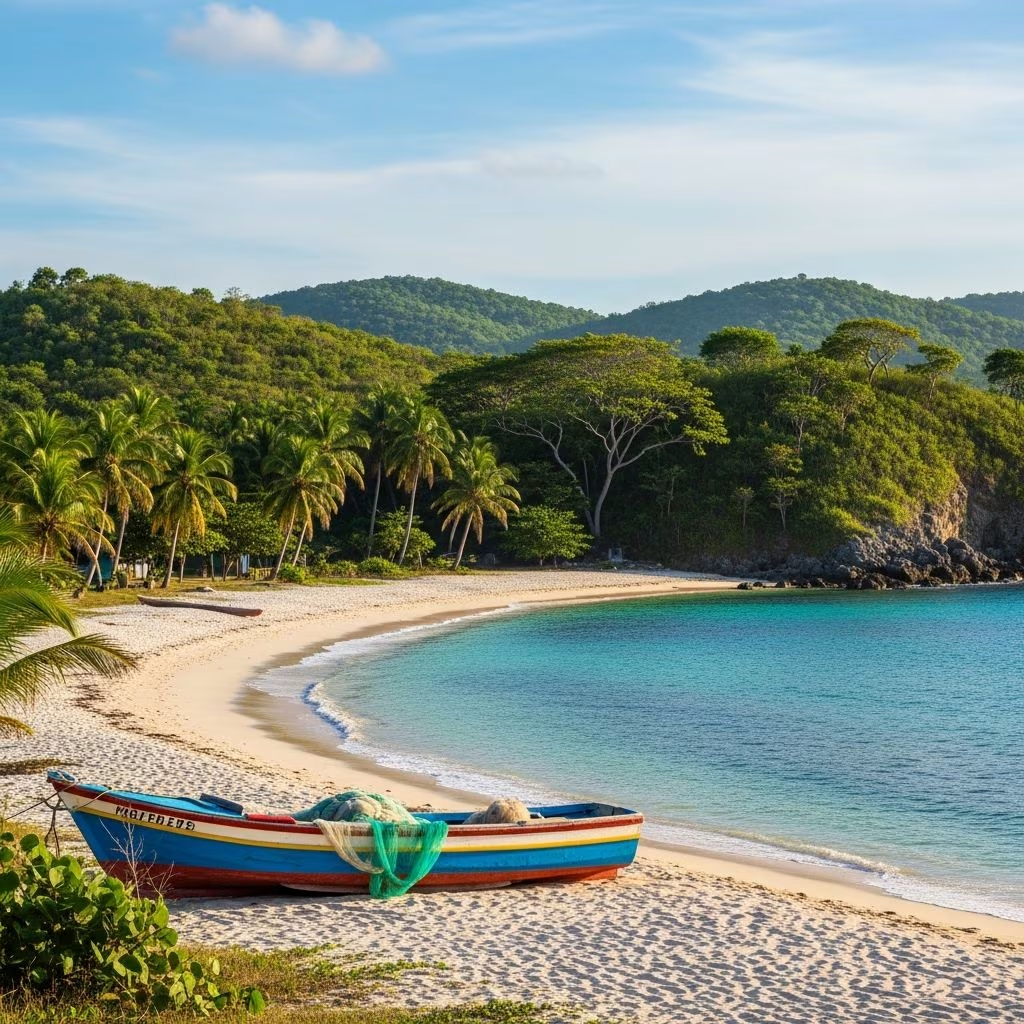
Cuba’s coastline stretches across thousands of miles, yet only a fraction receives regular tourist attention. The island’s eastern and southern shores conceal some of its most remarkable beaches, each with distinct characteristics that set them apart from commercialized alternatives. These secluded stretches of sand and sea provide opportunities for both relaxation and adventure.
Playa Maguana, situated near Baracoa on Cuba’s eastern tip, exemplifies the untouched beauty that defines lesser-known coastal destinations. The beach features calm turquoise waters, powdery white sand, and surrounding jungle vegetation that creates a natural barrier from development. Unlike crowded resort areas, this location remains virtually unknown to mainstream tourism, allowing visitors to experience Caribbean beach culture in its most authentic form.
The marine environment surrounding Playa Maguana deserves particular attention. Coral reefs positioned just offshore transform the location into an exceptional snorkeling destination. The shallow waters host diverse marine species, from colorful tropical fish to intricate coral formations, providing naturalists and underwater photographers with unparalleled opportunities.
Positioned between Havana and Varadero, Playa Jibacoa occupies a strategic location while maintaining its character as an underdeveloped gem. The bay’s shallow configuration and vibrant coral reef system make it one of Cuba’s premier snorkeling and diving destinations. Unlike crowded tourist beaches, Playa Jibacoa preserves its laid-back atmosphere through limited infrastructure development. Visitors frequently encounter local residents enjoying the beach, creating an authentic cultural exchange that distinguishes this location from typical resort environments.
The Isla de la Juventud (Island of Youth) presents an entirely different coastal experience. Playa Bibijagua Beach, located approximately 10 kilometers from Nueva Gerona, holds the distinction of being Cuba’s sole black sand beach. This unique geological formation results from volcanic mineral composition, creating a striking visual contrast to conventional Caribbean beaches.
Beyond its distinctive sands, the Isla de la Juventud features abundant tropical vegetation and artistic installations. A series of marble sculptures created by Cuban artists provides cultural enrichment while visitors explore the shoreline. For those seeking authentic camping experiences, beachside facilities at Arenas Negras offer overnight stays directly on the sand.
Cuba’s colonial period left lasting architectural and cultural imprints across the island. Several towns preserve this heritage while remaining relatively unknown to international travelers. These settlements offer opportunities to explore authentic communities engaged in daily life, unmediated by tourist infrastructure.
Baracoa, established in 1511, holds the distinction of being Cuba’s first colonial settlement and remains one of the island’s most distinctive towns. Nestled between mountains, rivers, and coastline, Baracoa embodies natural diversity rarely found in single locations. The town’s peaceful atmosphere contrasts sharply with busier urban centers, attracting travelers seeking cultural immersion over resort experiences.
Baracoa’s culinary traditions reflect its geographical and historical position. Local specialties, particularly *cucurucho*—a coconut-based delicacy with deep cultural roots—provide authentic gastronomic experiences. The town’s location facilitates access to natural attractions including El Yunque mountain and river kayaking opportunities. These features combine to create comprehensive travel experiences that encompass culture, cuisine, and outdoor recreation.
Trinidad presents an interesting case study in balancing preservation with tourism development. Although its popularity has increased, this UNESCO World Heritage Site retains distinctive character through its colonial architecture, cobblestone streets, and colorful colonial mansions. The surrounding Valle de los Ingenios region preserves evidence of Cuba’s historical sugar industry, offering context for understanding the island’s complex past.
Beyond Trinidad’s main tourist areas, smaller surrounding communities maintain quieter atmospheres while preserving regional cultural traditions. Local pottery workshops provide direct interaction with artisans, offering insights into traditional craftsmanship. These peripheral settlements allow visitors to experience historical significance without the density of mainstream tourist infrastructure.
Remedios, located in Villa Clara province, becomes a focal point of Caribbean celebration during December when the famous *parrandas* festivities occur. These events feature spectacular fireworks and parades that rank among the Caribbean’s largest celebrations. Beyond festival season, Remedios preserves well-maintained colonial architecture, particularly the San Juan Bautista church with its distinctive gold-decorated ceilings.
Sagua la Grande represents an emerging destination as renewed interest in cultural and artistic heritage drives gradual revitalization. Carefully restored structures like the Grand Hotel Sagua exemplify preservation efforts. Multiple museums and contemporary art galleries reflect the town’s cultural renaissance, while surrounding river landscapes provide natural contrast to urban environments.
Cuba’s inland geography offers dramatic landscapes that contrast with coastal imagery typically associated with Caribbean travel. Mountain ranges, valleys, and unique geological formations provide settings for active outdoor pursuits.
Viñales Valley showcases landscape features that define authentic rural Cuba. The distinctive *mogotes*—limestone rock formations rising from agricultural land—create iconic scenery. These geological structures stand amid tobacco plantations and small farms where traditional agricultural methods remain prevalent. Red-roofed houses scattered throughout the valley, combined with horse-riding trails and botanical gardens, create comprehensive rural experiences.
The landscape transformation traveling from Havana toward Viñales illustrates Cuba’s geographical diversity. As urban development fades, wide valleys and limestone formations emerge, revealing agricultural communities engaged in largely hand-powered farming practices. This transition provides visual and cultural context for understanding Cuban life beyond tourist centers.
Salto de Hanabanilla in Villa Clara province represents Cuba’s highest waterfall system, reaching approximately 364 meters above sea level. Located in the island’s interior, this destination appeals particularly to eco-tourism enthusiasts. The site’s remote positioning requires deliberate travel planning, which naturally limits visitor numbers and preserves environmental integrity.
Pico Turquino, reaching 6,476 feet, represents one of Cuba’s most challenging mountain treks. Located deep within the Sierra Maestra range, this peak attracts adventurers seeking rare hiking experiences. Combined with nearby La Comandancia de la Plata—Fidel Castro’s former guerrilla headquarters—the area provides historical context alongside natural adventure.
Parque Nacional Desembarco del Granma encompasses historical and geological significance within a UNESCO World Heritage Site designation. The park features limestone terraces, caves containing pre-Columbian pictographs, and a trail system marking revolutionary history. An 11-mile hiking route connects Los Colorados to the Alegría del Pío ambush site and continues to Cinco Palmas, where surviving revolutionaries reached safety in the Sierra Maestra. Guides available at Los Colorados facilitate this immersive historical and natural experience.
Cuba’s archipelago extends beyond the main island, with several smaller islands offering distinct travel experiences. These destinations attract fewer visitors than mainland attractions, preserving their undiscovered character.
The Isla de la Juventud functions as Cuba’s premier diving destination, particularly at Punta Francés located at the southwest tip. This location features 56 exceptional dive sites arranged along a 10-mile-long underwater wall beginning at 60 feet depth and descending into darkness. The site’s positioning ensures accessibility while maintaining pristine marine conditions.
Reaching the Isla de la Juventud requires deliberate travel planning, as the island lacks the accessibility of mainland locations. Visitors can fly via Cubana Aviación or AeroGaviota from Havana, or utilize the high-speed ferry from Batabanó south of Havana. This transportation infrastructure, while functional, naturally limits casual tourism compared to easily accessible mainland destinations.
Nueva Gerona, the Isla de la Juventud’s main city, features colonial-era buildings lining its pedestrian boulevard, interspersed with contemporary art pieces that reflect Cuban artistic traditions. The charming church—Iglesia Nuestra Señora de los Dolores—deserves particular attention for its architectural and historical significance.
Beyond established tourist circuits lie small villages where bohemian culture, local artistry, and authentic community life remain central to daily existence.
Gibara, also known as Villa Blanca, represents a distinctly laid-back destination in Holguín province. Located on Cuba’s northeast coast approximately 45 minutes from central Holguín by road, this tiny seaside village has earned recognition as Cuba’s best-kept secret and hidden gem. The town’s character reflects its recovery from Hurricane Ike’s 2008 devastation, with reconstruction efforts creating opportunities for visitors to support local communities.
Gibara’s coastline differs dramatically from stereotypical Caribbean beaches. The sea presents restless conditions while sand composition proves coarser than crowd-pleasing beaches found further west. This geological distinction, combined with the town’s small scale and limited tourism infrastructure, creates an authenticity that attracts culturally-aware travelers. The 45-minute drive from Holguín passes rural landscapes characteristic of central Cuba, providing context for understanding agricultural life and regional development patterns.
Beyond conventional tourism categories, Cuba’s lesser-known destinations offer specialized experiences catering to particular interests.
| Destination Type | Primary Activities | Best For |
|---|---|---|
| Coastal Locations | Snorkeling, swimming, beach relaxation | Water enthusiasts, marine life observers |
| Colonial Towns | Architecture exploration, cultural immersion, cuisine | History buffs, photographers, cultural travelers |
| Mountain Regions | Hiking, trekking, scenic viewing | Adventure seekers, nature photographers |
| Island Destinations | Diving, island exploration, beach camping | Divers, adventure travelers, remote seekers |
| Bohemian Villages | Local interaction, artistic observation, relaxation | Cultural explorers, artists, peaceful travelers |
Cueva de Saturno, positioned between Matanzas province and Varadero, offers accessible cave exploration opportunities. The cave’s location facilitates convenient visits while remaining outside mainstream tourist itineraries. Visitors can arrange transportation by car, combining visits with nearby Varadero beach time if desired.
Reaching Cuba’s lesser-known destinations requires different planning than accessing popular resorts. Rural roads, limited public transportation, and infrequent scheduling characterize travel beyond main corridors. Travelers benefit from understanding transportation options before departure, including car rentals, local guides, and ferry services for island destinations.
Lesser-known destinations often feature minimal tourism infrastructure. Accommodations, restaurants, and tourist services may operate with limited hours or seasonal availability. This limitation, while occasionally inconvenient, contributes to authentic experiences unmediated by commercial tourism development. Advance planning and flexible expectations enhance satisfaction when visiting remote areas.
Cuba experiences distinct seasons affecting travel experiences. Hurricane season (June through November) may impact accessibility to certain regions. Festival timing in towns like Remedios significantly affects the visitor experience and available accommodations.
Cuba’s lesser-known destinations offer profound alternatives to conventional tourism experiences. These locations combine natural beauty, cultural authenticity, and historical significance within settings that prioritize genuine community interaction over commercialized development. By venturing beyond established tourist circuits, travelers discover the complexity and richness that define contemporary Cuba while supporting local economies through direct engagement with communities actively shaping their regions’ futures.
