

 Travel Essentials
 Travel Essentials

Comprehensive guide to the Okavango Delta: best times to visit, access routes, top activities like mokoro trips and flights, wildlife highlights, and practical safari tips.
 Travel Essentials
The Okavango Delta stands as one of Africa’s most extraordinary natural phenomena, an expansive inland wetland where seasonal floods create a labyrinth of channels, lagoons, and islands in the heart of the Kalahari Desert. This UNESCO World Heritage site draws adventurers seeking unparalleled wildlife encounters and serene wilderness immersion.
Formed by the Okavango River fanning out into the arid sands, the Delta spans nearly 19,000 square kilometers, transforming into a verdant oasis during peak flood seasons. Its mosaic of floodplains, woodlands, and palm-fringed islands supports over 400 bird species, 130 mammals, and countless reptiles, making it a biodiversity hotspot.
Papyrus reeds and water lilies dominate the waterways, while mopane forests and acacia groves provide habitat for elephants, hippos, and predators like lions and leopards. The annual flood from Angola’s highlands peaks between June and August, sustaining life year-round despite the surrounding desert.
The **best time** to visit aligns with high water levels from May to September, offering optimal mokoro navigation, clear skies, and comfortable daytime temperatures around 25°C (77°F), cooling to 10°C (50°F) at night. Wildlife concentrates around shrinking water sources, enhancing viewing opportunities.
Avoid December to February if rain bothers you, though birdwatchers revel in the influx of species like carmine bee-eaters.
Maun International Airport serves as the primary gateway, with light aircraft charters ferrying visitors to remote airstrips near lodges—journeys lasting 30-45 minutes over stunning vistas. From airstrips, open-sided 4×4 vehicles or boats transfer guests to camps, often traversing game-rich concessions.
For self-drive enthusiasts, 4×4 tracks penetrate southern areas like Moremi Game Reserve, though advanced planning and permits are essential. Mobile safaris allow camping flexibility, with roof-top sleeping under starry skies. Most opt for fly-in packages including all transfers.
| Access Method | Pros | Cons | Cost Range |
|---|---|---|---|
| Light Aircraft | Quick, scenic; reaches exclusive areas | Weather-dependent; higher cost | High |
| 4×4 Self-Drive | Flexible timing; immersive | Rough roads; requires experience | Medium |
| Boat Transfer | Water-level views; relaxing | Limited to wetter zones | Medium |
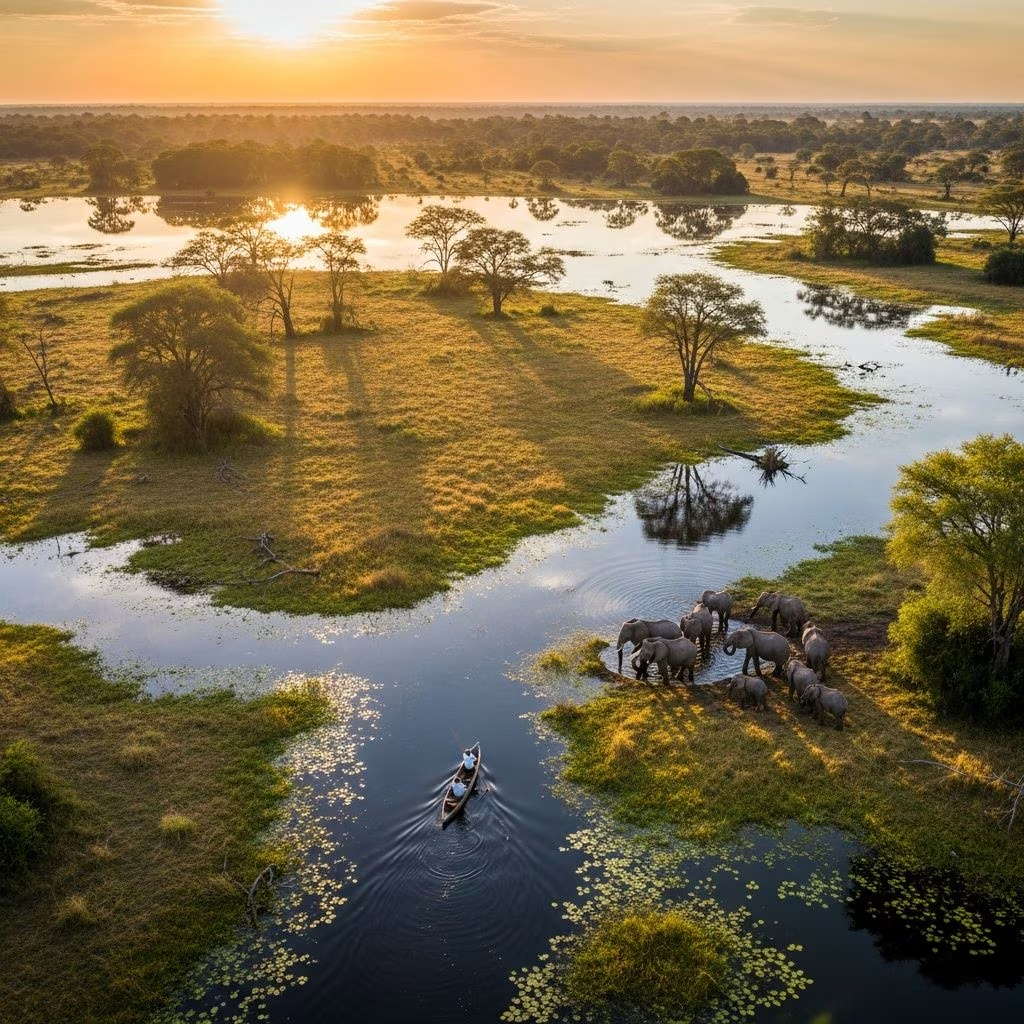
Nothing captures the Delta’s essence like a **mokoro** ride—a traditional dugout canoe poled silently by expert locals through papyrus channels. Encounters with elephants bathing or hippos yawning mere meters away create magical moments, accompanied only by water lapping and bird calls.
Trips last 2-4 hours or multi-day, often combining with bush walks on islands for close-up flora and insect views. Safety-focused polers navigate hidden dangers.
Soar above the mosaic in fixed-wing planes or doorless helicopters from Maun, revealing the Delta’s intricate patterns—15-minute teasers to hour-long epics. Hot air balloons at dawn offer champagne toasts amid floating silently over herds.
Photographers favor helicopters for unobstructed shots; prices reflect the thrill.
Open 4×4 vehicles prowl day and night, spotting lions, leopards, wild dogs, and buffalo herds against watery backdrops. Walking safaris with armed guides unveil tracks, dung, and smaller wonders like chameleons on foot.
Off-road and night drives are permitted in many concessions, heightening predator sightings.
Horseback safaris gallop through plains, mokoros yielding to hooves for herd-charging excitement. Visit nearby communities for basket-weaving demos and traditional dances, supporting local economies.
The Delta’s waterways foster unique sightings: red lechwe wading, sitatunga antelopes in swamps, and Nile crocodiles ambushing. Birdlife dazzles with 400+ species, including rare Pel’s fishing owls and African fish eagles.
Seasonal migrations amplify drama, with elephants numbering over 100,000.
Choices span tented camps like Duba for authentic vibes to opulent retreats like Little Vumbura with private decks. All-inclusive packages cover meals, activities, and guides; expect canvas luxury with en-suite baths overlooking lagoons.
Budget mobile camps offer communal tents; high-end spots feature plunge pools and star beds.
Yes, many lodges cater to kids with junior activities; guided excursions minimize risks.
Mokoro is silent and traditional; motorboats cover more ground faster.
Limited options exist, but overnights unlock deeper experiences.
Yes, in designated areas with expert guides.
November to March for migrants.
