

 Travel Essentials
 Travel Essentials

Explore Oman's diverse attractions from Muscat's mosques to desert dunes, wadis, and fjords with practical tips for an unforgettable trip.
 Travel Essentials
Oman captivates with its blend of rugged natural beauty, ancient heritage, and warm hospitality, making it an ideal destination for adventurers and culture seekers in 2026. This guide draws from reliable travel insights to help you plan a seamless journey through its mountains, deserts, and coastlines.
Oman offers authentic Arabian experiences without the crowds of neighboring hotspots. Its safety, excellent infrastructure, and diverse landscapes—from emerald wadis to vast dunes—provide endless exploration opportunities. In 2026, expect enhanced tourism with new routes and sustainable initiatives preserving sites like the Frankincense Trail. The country’s commitment to conservation shines in turtle reserves and protected mountains, ensuring responsible travel.
The optimal period spans October to April, when temperatures range from 20–30°C (68–86°F), ideal for outdoor activities. Summer (May–September) brings extreme heat up to 50°C (122°F), limiting desert and mountain trips. Southern regions like Salalah enjoy a monsoon season (khareef) from June to September, transforming the desert into lush greenery with waterfalls and cooler weather around 25–30°C (77–86°F). Avoid Ramadan for adjusted opening hours at mosques and souks.
Most nationalities receive a free 14-day visa on arrival at Muscat International Airport or land borders, extendable once. UAE, EU, US, and UK citizens qualify for 30-day visas. E-visas are available online for longer stays up to 90 days. Ensure your passport is valid for six months beyond departure. No vaccinations are required, but check for updates on yellow fever if transiting certain areas.
Muscat International Airport connects via over 60 airlines from global hubs like Dubai (1 hour), London (7 hours), and Mumbai (3 hours). Domestic flights reach Salalah and Musandam. Rental cars are essential for flexibility; roads are world-class, but 4x4s are mandatory for mountains, wadis, and deserts (from OMR 20/day). Buses serve main routes cheaply, while taxis and shared rides (Oman Rides app) suit cities. For Musandam, ferries or flights from Muscat are best.
| Transport Option | Cost (OMR) | Best For |
|---|---|---|
| Rental 4×4 | 20–50/day | Exploration, remote areas |
| Domestic Flight | 30–60 one-way | Musandam, Salalah |
| Bus (Mwasalat) | 5–15 | Budget inter-city |
| Taxi/Uber-like | 10–20/trip | Urban travel |
Oman’s capital blends opulent landmarks with bustling markets. The Sultan Qaboos Grand Mosque, opened in 2001, features the world’s second-largest hand-woven carpet and a massive Swarovski chandelier, accommodating 20,000. Dress modestly (long sleeves, headscarf for women); non-Muslims visit 8–11 AM except Fridays. Wander Muttrah Souq for spices, silver, and frankincense, then stroll the Corniche for sea views. The Royal Opera House offers world-class performances.
The Hajar range boasts Oman’s highest peak, Jebel Shams (3,009m). Hike the Balcony Walk to Wadi Nakhr’s abandoned village for vertigo-inducing views (2–3 hours, moderate fitness). Wadi Shab requires a short boat and 45-minute hike to碧绿 pools and a waterfall cave—perfect for swimming. Nearby Bimmah Sinkhole and Wadi Tiwi offer fewer crowds with palm-fringed canyons. Nizwa’s 17th-century fort and Friday goat market add historical flair.
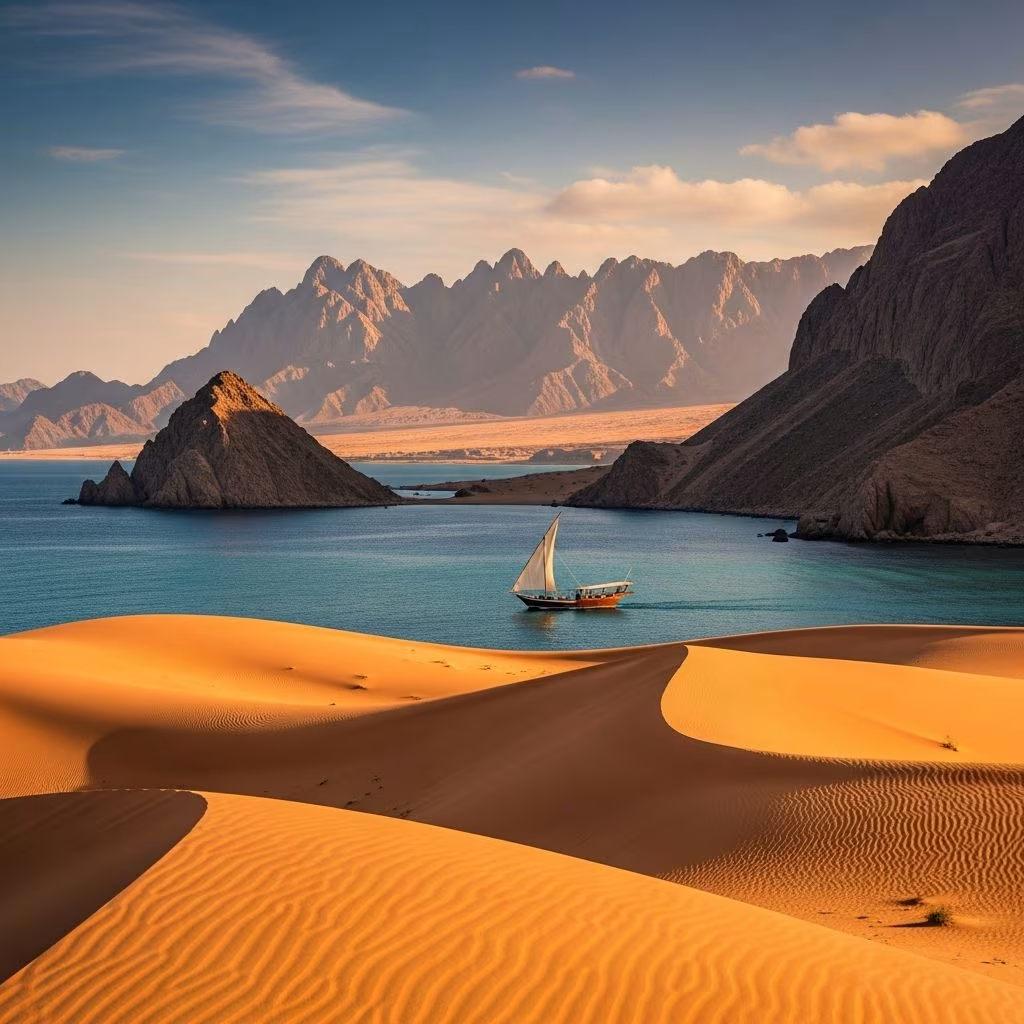
Spanning 12,500 sq km, these golden dunes shift hues at sunset. Bedouin camps provide camel treks, starlit dinners, and dune bashing (4×4 needed). Overnight for authentic nomadic insights. Wild camping is permitted anywhere with permission.
Dubbed “Norway of Arabia,” this exclave features sheer cliffs and khors (inlets). Dhow cruises spot dolphins; snorkel vibrant reefs. Khasab’s fjords are accessible by flight or ferry from Muscat (3-day ideal).
Salalah’s khareef greens the Dhofar region. Explore UNESCO Al Baleed port and Frankincense Trail tombs. Ras Al Jinz Turtle Reserve offers night watches of nesting loggerheads (June–October peak). Beaches like Mughsail and white sands provide relaxation.
Extend to 3 weeks for Musandam or Empty Quarter.
Omani’s hospitality shines—greet with “As-salaam alaikum.” Dress conservatively outside resorts; women cover shoulders/knees. Alcohol is hotel-only. Bargain politely at souks. Carry cash (OMR); cards accepted in cities. Tap water is safe; try camel milk or dates. Wild camping is free but respect no-trace principles.
Daily costs: Budget OMR 30–50 (hostels, buses); Mid-range OMR 80–120 (hotels, car); Luxury OMR 200+. Food is affordable—shawarma OMR 1, seafood feasts OMR 10.
| Item | Budget | Mid | Luxury |
|---|---|---|---|
| Accommodation | 10–20 | 50–80 | 150+ |
| Food | 10 | 20 | 50 |
| Transport | 10 | 30 | 100 |
Pack: Light layers, hiking boots, swimwear/cover-up, headscarf, 4×4 permit docs, sunscreen, reusable bottle.
Yes, one of the Middle East’s safest, with low crime and welcoming locals. Women travelers report positive experiences with modest dress.
For wadis, mountains, deserts—yes. Sedans suffice for highways.
Limited to licensed hotels/restaurants; public consumption banned.
Turtle watches, beaches, easy wadis like Tiwi. Avoid strenuous hikes.
Book guided tours at Ras Al Jinz; respectful viewing only.
Stick to trails, support local guides, avoid single-use plastics. Tourism revenue funds conservation like turtle protection.
