The culinary traditions of Oman represent far more than simple sustenance—they embody centuries of maritime commerce, cultural exchange, and regional ingenuity. Situated at a pivotal crossroads between the Arabian Peninsula and the Indian Ocean, this Sultanate developed a distinctive gastronomic identity that reflects its unique position within the broader Islamic world and global spice trade networks.
The Historical Foundations of Omani Gastronomy
Omani cuisine traces its evolutionary path back several centuries, with significant culinary innovations emerging during the 16th century. The arrival of Portuguese maritime traders introduced Mediterranean-inspired cooking techniques and ingredient combinations that permanently altered local food preparation methods. Rather than remaining confined to basic preparations of rice, bread, and boiled meat, Omani cooks began experimenting with new flavor combinations and cooking methodologies that would define their regional cuisine.
Perhaps most significantly, Oman’s establishment of a extensive sea-trading network during the post-Portuguese era created unprecedented access to ingredients and culinary knowledge from distant regions. Trade connections spanning from Iran to India, Pakistan, and notably Zanzibar meant that spice merchants, cooking techniques, and ingredient preferences flowed steadily into Omani kitchens. Zanzibar, in particular, exerted profound influence on Omani food traditions, contributing coconut-based preparations, clove-infused dishes, and African spice combinations that remain central to contemporary Omani cooking.
Foundational Ingredients and Flavor Architecture
The essence of Omani culinary identity rests upon a carefully calibrated approach to spices and aromatics. Unlike certain neighboring Arabian cuisines known for intense heat levels, Omani food traditions emphasize balanced flavor development through layered spice combinations rather than overwhelming pungency. The core aromatic palette includes cardamom, cloves, cinnamon, coriander, cumin, and black pepper—often used in whole form before grinding to maximize volatile oil retention and flavor complexity.
Protein foundations in Omani cuisine predominantly feature chicken, lamb, and fish, reflecting both the availability of pastoral livestock and the nation’s extensive coastline. Rice serves as the primary carbohydrate staple, typically prepared through techniques that infuse individual grains with flavor rather than creating homogeneous masses. Vegetables including eggplant, tomatoes, onions, and squash provide textural variety and nutritional balance, while fresh herbs like cilantro and parsley offer brightness to heavier preparations.
A distinctive characteristic of Omani cuisine involves its approach to temperature and serving conventions. Many traditional preparations are served at room temperature or slightly cooled, contrasting sharply with the expectation in certain other cuisines for piping-hot presentations. This preference likely reflects both climate considerations and the communal, leisurely dining pace that characterizes Omani social eating traditions.
Signature Rice Preparations and One-Pot Traditions
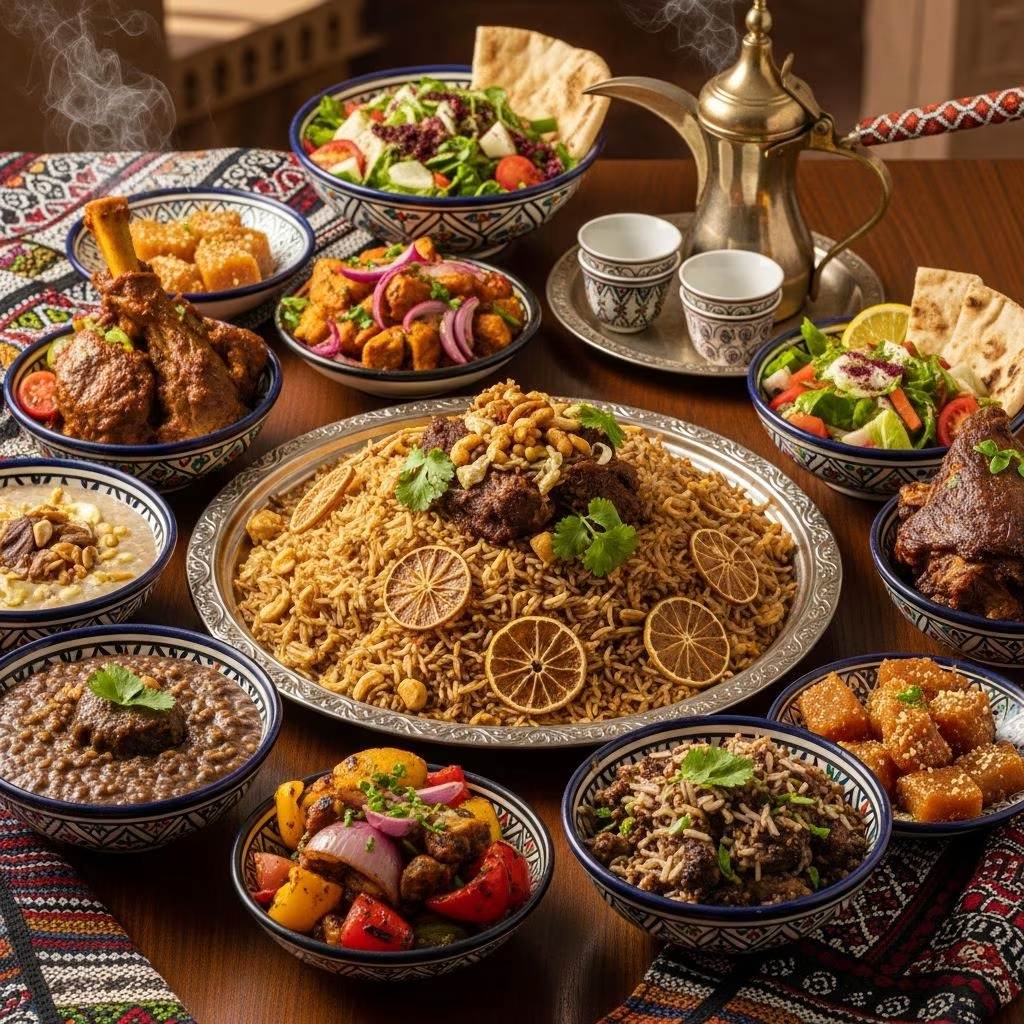
Rice dishes occupy a central position within the Omani culinary repertoire, with numerous regional and family variations existing throughout the Sultanate. The most celebrated preparations include Machboos—a one-pot rice and meat combination seasoned with saffron and cardamom. The name itself, derived from Arabic meaning “be engaged,” reflects the dish’s traditional role as a communal meal meant for sharing among extended family groups and close friends. The aromatic rice, cooked in broth infused with the flavors of slowly cooked meat, creates a harmonious single dish that requires minimal accompaniment.
Kabuli and Qabuli rice dishes represent alternative approaches to this foundational preparation style, incorporating camel meat or chicken with rice prepared in dual-cooking methods that ensure proper texture and flavor development. Similarly, Madrouba—a beaten rice and chicken preparation—demonstrates the diversity within rice-based cooking traditions, combining cooked components into a cohesive whole that achieves unique textural qualities through deliberate mashing and blending.
The significance of these rice preparations extends beyond mere nutrition; they represent fundamental expressions of Omani social values. Large communal platters encourage family bonding, facilitate conversation, and create opportunities for younger generations to learn traditional preparation techniques through observation and participation. The emphasis on sharing these dishes collectively underscores the importance of family and community within Omani cultural life.
Ceremonial and Festive Meat Preparations
Certain meat dishes hold such cultural importance that their preparation is reserved for significant occasions and celebrations. Shuwa stands foremost among these ceremonial preparations—a slow-cooked meat dish requiring up to 48 hours of preparation and cooking time. The process begins with marinating lamb, sheep, or occasionally camel meat in a complex spice mixture incorporating coriander, chili, cloves, and cumin. The marinated meat is then wrapped in banana leaves and buried in specially prepared underground fire pits, where extended, indirect heat transforms the meat into extraordinarily tender preparations infused with smoky, spiced complexity.
Shuwa preparation typically occurs during Eid celebrations and represents a communal village activity, with neighbors and family members collaborating on the labor-intensive process. The finished dish carries profound cultural significance, connecting contemporary celebrations to historical traditions and reinforcing social bonds through shared effort and consumption.
Harees Dijaj—a slow-cooked chicken and barley dish—possesses equally deep cultural resonance, with historical references appearing in the 10th-century cookbook Kitab al Tabikh. The name derives from the Arabic word “haras,” meaning to crush or mash, accurately describing the preparation method where barley and meat are cooked together until achieving a unified, porridge-like consistency. Traditionally served during weddings, family gatherings, and throughout Ramadan, this dish provides sustained nourishment and comfort during periods of spiritual fasting and celebration.
Seafood Traditions and Coastal Preparations
The extensive Omani coastline and maritime heritage naturally manifest in sophisticated seafood preparations. Mashuai—whole spit-roasted kingfish—exemplifies this tradition, presenting the fish simply prepared with minimal intervention to showcase the inherent quality of the catch. Served alongside lemon-infused rice, this preparation honors the ingredient rather than obscuring it with elaborate sauces or complex seasoning combinations.
Fish soups and preparations incorporating fresh seafood reflect the daily reality of coastal communities where fish availability influences dietary patterns and cooking practices. The integration of seafood into festive preparations alongside meat options demonstrates the culinary flexibility within Omani cooking traditions, accommodating diverse preferences while maintaining core flavor principles and preparation philosophies.
Bread, Condiments, and Supporting Elements
Bread occupies an essential position within Omani meals, functioning simultaneously as a utensil, vehicle for other ingredients, and flavor component. Multiple bread varieties exist within Omani culinary traditions—thick and circular varieties contrast with thin, crispy preparations designed for wrapping and dipping. Traditional preparations like Mardhouf—a flatbread incorporating date syrup and ghee—demonstrate the integration of sweet elements into savory meal structures, offering textural and flavor variety within single meals.
Accompaniments including homemade tomato sauce, yogurt preparations, and fresh salads provide temperature contrast, textural variation, and nutritional balance alongside heavier main preparations. These supporting elements permit diners to customize individual plates according to personal preference and appetite levels, honoring the Islamic dining tradition of accommodating diverse needs and preferences within communal eating contexts.
Beverage Traditions and Hospitality Expressions
Kahwa—Omani coffee infused with cardamom powder—represents far more than a simple beverage; it functions as a symbol of hospitality and social connection. Traditionally served alongside dates and Omani halwa (a sweet confection), kahwa establishes the social framework for guest interaction and relationship building. The deliberate slowness of coffee service, the careful preparation of individual cups, and the ritualistic nature of offering and receiving kahwa all communicate respect, warmth, and cultural competence.
Rosewater coffee and cardamom-infused karak tea provide alternative beverage options, particularly when paired with sweet flatbreads and date-based confections. These beverages bridge the gap between meal components, facilitating digestion and providing vehicles for continued social interaction following main course consumption.
Regional Variations and Seasonal Adaptations
While core Omani culinary principles remain consistent throughout the Sultanate, regional variations reflect local ingredient availability, historical migration patterns, and specific cultural preferences. Coastal regions naturally emphasize seafood preparations, while inland areas prioritize meat and grain-based dishes. Desert communities developed distinctive preservation techniques and spice combinations adapted to extreme climate conditions and ingredient storage requirements.
Seasonal variations influence ingredient selection and dish preparation, with certain preparations reserved for specific times of year. Ramadan brings particular culinary traditions, with specific preparations like Sakhana—a thick soup combining wheat, dates, molasses, and milk—providing sustenance during fasting periods and facilitating breaking of daily fasts with appropriately nourishing preparations.
Contemporary Dining Patterns and Meal Structure
Traditional Omani meal timing places the primary meal during midday hours, when family members gather for extended periods and elaborate preparations receive proper attention and appreciation. Evening meals remain lighter, often featuring leftover components from midday preparations combined with fresh bread and simple preparations designed for quick consumption.
The integration of curry, cooked meat, rice, and vegetables into most meals creates recognizable frameworks that permit endless variation while maintaining cultural continuity. This flexibility permits home cooks to express individual creativity and family traditions while remaining rooted in recognizable Omani culinary parameters.
The Future of Omani Culinary Traditions
As globalization influences food systems and younger generations migrate toward urban centers and international career opportunities, Omani culinary traditions face both challenges and opportunities. The preservation of traditional preparation techniques and family recipes requires intentional effort, educational initiatives, and cultural valuation. Simultaneously, contemporary chefs innovate within traditional frameworks, creating fusion preparations that honor historical foundations while engaging contemporary sensibilities and ingredient availability.
The distinctiveness of Omani cuisine—its balanced approach to spices, emphasis on communal consumption, historical depth, and maritime influences—positions it as a valuable cultural resource worthy of documentation, celebration, and continued evolution. Whether through family meal preparation, restaurant dining, or culinary tourism initiatives, the transmission of Omani food traditions ensures that future generations can access the sensory memories, cultural knowledge, and social values embedded within these time-honored preparations.
References
- Traditional Omani Food and Cuisine – The Ultimate Guide to How to Eat Like an Omani — Travel Indigenous. Accessed April 2026. https://travelindigenous.com/traditional-omani-cuisine-the-ultimate-guide-to-how-to-eat-like-an-omani/
- Omani Cuisine — Wikipedia. Accessed April 2026. https://en.wikipedia.org/wiki/Omani_cuisine
- Typical Food in Oman – What to Eat — Exoticca. Accessed April 2026. https://www.exoticca.com/us/asia/middle-east/oman/gastronomy
- Your Guide to Omani Cuisine — Explore Parts Unknown. Accessed April 2026. https://explorepartsunknown.com/oman/dates-desert-and-the-sea-your-guide-to-omani-cuisine/