

 Travel Essentials
 Travel Essentials

Navigate Athens in 24 hours with this comprehensive guide covering iconic monuments, museums, neighborhoods, and dining experiences for first-time visitors.
 Travel Essentials
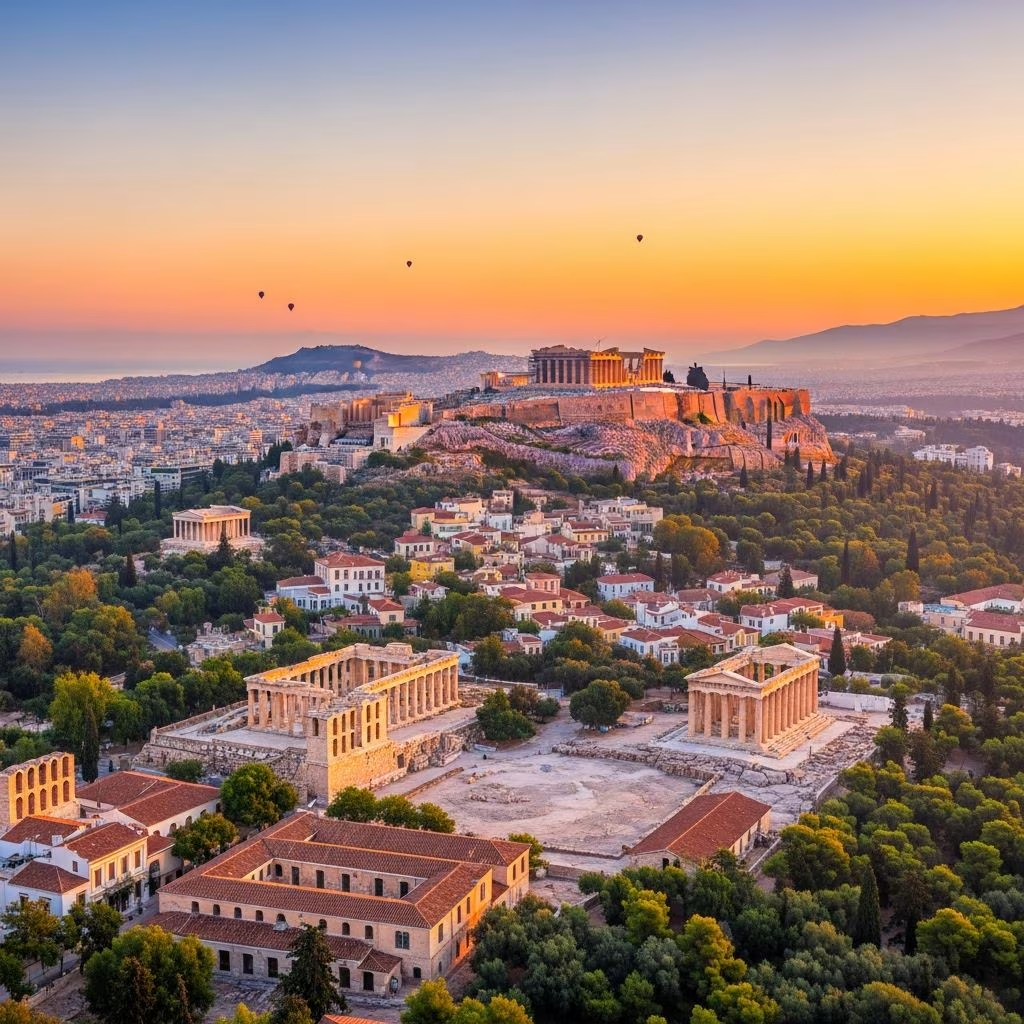
Athens stands as one of Europe’s most captivating destinations, offering millennia of history compressed into a vibrant modern metropolis. Whether you’re a history enthusiast, cultural explorer, or casual visitor, a single day in this ancient city can be extraordinarily fulfilling when properly planned. This comprehensive guide provides a thoughtfully structured itinerary that balances iconic archaeological sites with authentic local experiences, ensuring you capture the essence of Athens even with limited time.
Before embarking on your exploration, familiarize yourself with Athens’s principal neighborhoods and districts. The city center radiates outward from Syntagma Square, where the modern Hellenic Parliament building dominates the landscape. Northward lies Kolonaki, an upscale neighborhood featuring boutique shops and cultural institutions. The historic Plaka district clings to the slopes beneath the Acropolis, characterized by narrow winding streets and traditional tavernas. Eastward stretches Exarchia, known for its bohemian atmosphere and contemporary art scene. Understanding these geographic relationships helps optimize your movement throughout the day.
Begin your Athens adventure before sunrise. Arriving at the Acropolis during early morning hours accomplishes multiple objectives simultaneously: you’ll encounter significantly fewer crowds, experience cooler temperatures before the midday heat intensifies, and benefit from optimal lighting conditions for photography. The climb to this elevated archaeological complex takes approximately 20-30 minutes depending on your pace and physical conditioning.
Consider booking a guided walking tour rather than exploring independently. Professional guides provide contextual information that transforms a simple sightseeing visit into an educational journey through ancient Athenian civilization. These tours typically handle ticket acquisition, eliminating time-consuming queues and allowing you to maximize your exploration time. The Parthenon, Erechtheion, and Temple of Athena Nike represent the architectural pinnacles you’ll encounter at the summit.
Key advantages of early morning visits include:
Following your Acropolis exploration, descend into the city and head directly to the National Archaeological Museum of Athens. This institution houses one of the world’s most comprehensive collections of ancient Greek artifacts, spanning millennia of cultural development. The museum’s layout follows chronological progression, enabling visitors to understand the evolution of Greek civilization through pottery, sculpture, jewelry, and religious objects.
Allocate 90 minutes to two hours for museum exploration. Focus on the museum’s most celebrated treasures: the Mask of Agamemnon, an extraordinary gold funeral mask from the Mycenaean period; the Antikythera Mechanism, an ancient astronomical computing device that predates similar technology by nearly two thousand years; and the expansive collection of Bronze Age artifacts. These pieces provide tangible connections to the ancient world and illuminate the sophistication of pre-classical civilizations.
The museum’s organization allows flexible exploration based on your interests. Art history enthusiasts may linger in sculpture galleries, while those fascinated by daily life will find the domestic artifacts and tools particularly engaging. The museum café offers respite from exploration fatigue and serves traditional Greek refreshments.
Exit the museum and proceed approximately five minutes south along Andrea Syngrou Avenue toward the Temple of Olympian Zeus. This colossal structure stands as a testament to ancient ambition—construction spanned over 600 years, from the 6th century BCE through the 2nd century CE under Roman patronage. Fifteen Corinthian columns remain standing, silent witnesses to the temple’s former grandeur. The sheer scale of these columns, reaching heights of 17 meters, conveys the immense resources and determination required for its completion.
The Temple of Zeus occupies a strategic position within the archaeological landscape. Its proximity to Hadrian’s Gate, constructed in the 2nd century CE, allows visitors to experience the architectural fusion of Greek and Roman influences. These monuments embody the cultural synthesis that characterized Athens during the Roman period, when the city transitioned from independent city-state to provincial center within a vast empire.
By midday, combine cultural exploration with authentic gastronomic experience. The Ermou pedestrian shopping street offers numerous dining establishments ranging from casual tavernas to contemporary Mediterranean restaurants. Rather than consuming energy with formal sit-down meals, consider assembling a picnic lunch from local bakeries and markets. Traditional spanakopita (spinach and feta pastry), Greek cheese, fresh olives, and crusty bread provide authentic sustenance without consuming precious exploration time.
Alternatively, dedicate 45-60 minutes to a proper lunch break. This pause serves multiple functions: it recharges your physical energy, provides mental refreshment, and allows observation of how Athenians structure their day. The Greek tradition of the midday pause, though increasingly challenged by modern work schedules, remains apparent in neighborhood rhythms and restaurant patterns.
The afternoon presents opportunities for curated museum experiences or neighborhood exploration depending on your preferences. The Acropolis Museum, distinct from the National Archaeological Museum, specializes exclusively in artifacts discovered within the Acropolis complex. Its modern architecture contrasts sharply with its ancient subject matter—glass floors allow visitors to observe archaeological excavations beneath the building while examining related artifacts. Plan 60-90 minutes for thorough exploration.
Alternatively, venture into the Plaka district, Athens’s historic neighborhood featuring labyrinthine streets, whitewashed buildings, and traditional architecture. Here you’ll discover the hidden Anafiotika neighborhood, a micro-community transplanted centuries ago by island settlers. Walking through Anafiotika creates the sensation of wandering through a Greek island village transported into the city center, complete with brightly colored doors, potted plants adorning balconies, and silence interrupted only by distant bell chimes.
For those drawn to contemporary culture, Exarchia provides sharp contrast to ancient sites. This neighborhood’s street art, independent bookstores, and progressive atmosphere reflect modern Athens’s creative energy. Weekend visits coincide with the farmers market, where locals assemble fresh ingredients while engaging in social interaction.
Mount Lycabettus offers the city’s most comprehensive panoramic views. Accessible via cable car or on foot, the summit provides spatial context for your day’s explorations. From this vantage point, the scattered archaeological sites, urban layout, and surrounding landscape resolve into coherent geography. The ascent takes approximately 200 meters on foot and requires moderate physical exertion, though cable car facilities eliminate this requirement for those preferring mechanical assistance.
The National Garden provides alternative respite and scenic experience. Spanning 38 acres, this verdant sanctuary contains Roman archaeological remains, tranquil pathways, and abundant wildlife including peacocks. The garden’s formal design incorporates both classical aesthetic principles and botanical diversity, creating spaces for contemplation and observation. The Zappeion Hall, constructed in the 1880s for the Olympic Games, stands within the garden precinct as a reminder of 19th-century architectural ambitions.
As afternoon transitions toward evening, make your way to Syntagma Square, the city’s principal gathering space and political heart. The Hellenic Parliament building dominates this plaza, and hourly changing of the guard ceremonies provide photo opportunities and cultural observation. The soldiers performing this ritual wear distinctive uniforms featuring pleated skirts and pom-pom shoes, preserving traditional aesthetic practices within contemporary civic functions.
The square itself serves as a gathering point for Athenians—observe how the city’s inhabitants utilize public space for social connection. Street musicians, vendors, and casual passersby create dynamic street scenes that capture contemporary urban life. This people-watching opportunity provides insights into daily Athenian existence distinct from archaeological tourism.
Greeks traditionally dine later than visitors from Northern Europe or North America—9:00 PM represents standard dinner time rather than unusual late eating. Embrace this cultural rhythm and explore the city’s dining scene during evening hours when restaurants reach full animation. Seek establishments in residential neighborhoods like Kolonaki or Exarchia for authentic local dining experiences rather than tourist-oriented restaurants in Plaka.
Mediterranean cuisine emphasizes fresh ingredients, olive oil, herbs, and seafood. Order regional specialties: saganaki (fried cheese), souvlaki (grilled meat skewers), or fresh fish grilled simply with lemon and oregano. Greek wine, particularly white varieties from island regions, pairs beautifully with Mediterranean flavors. Local ouzo, an anise-flavored spirit, concludes meals in traditional fashion.
If energy permits, conclude your day by returning to the Acropolis area during evening hours when sophisticated lighting systems illuminate the ancient structures. The nighttime transformation creates entirely different aesthetic experience—dramatic shadows, enhanced architectural details, and the monument’s integration within the illuminated urban landscape produce memorable visual impressions distinct from daytime observation.
Street food vendors and performers congregate around the Acropolis during evening hours, creating vibrant street scenes. The energy differs markedly from daytime tourism, offering glimpses of how locals interact with these familiar monuments. Ice cream (particularly Greek gelato variations), grilled corn, and souvlaki provide casual sustenance while absorbing the evening atmosphere.
Visit major archaeological sites during early morning or late afternoon to minimize crowds. Museums typically reach maximum occupancy during midday hours when tour groups cluster around famous artifacts. Adjust your itinerary based on personal energy levels and weather conditions—summer heat intensifies significantly during afternoon hours.
Most archaeological sites close by sunset (approximately 8-9 PM depending on season). Museums operate with varying evening hours; verify schedules in advance. Many establishments close between 3-6 PM during afternoon siesta hours, though this tradition diminishes among newer, internationally-oriented businesses.
A single day in Athens provides sufficient time to connect meaningfully with the city’s layered history, artistic achievements, and contemporary vitality. This itinerary balances major archaeological sites with neighborhood exploration, museum time with street-level observation, and historical focus with authentic dining experiences. Success depends less on achieving a comprehensive checklist than on maintaining presence and curiosity throughout your exploration. Allow flexibility for unexpected discoveries—the unmarked taverna, the quiet garden corner, or the chance conversation with a local often provide more lasting impressions than scheduled attractions. Athens rewards the unhurried traveler who moves with intention while remaining open to spontaneous experience.
