

 Travel Essentials
 Travel Essentials

A comprehensive guide to experiencing Cape Town's natural wonders, cultural districts, culinary scene, and historical landmarks in a single day.
 Travel Essentials
Cape Town represents one of the world’s most geographically spectacular destinations, nestled between dramatic mountain peaks and pristine coastlines. Planning a single day in this South African gem requires strategic thinking to balance its numerous attractions—from natural landmarks to vibrant neighborhoods, world-class dining venues, and culturally significant historical sites. This guide provides a thoughtful approach to experiencing Cape Town’s most compelling offerings within a 24-hour window.
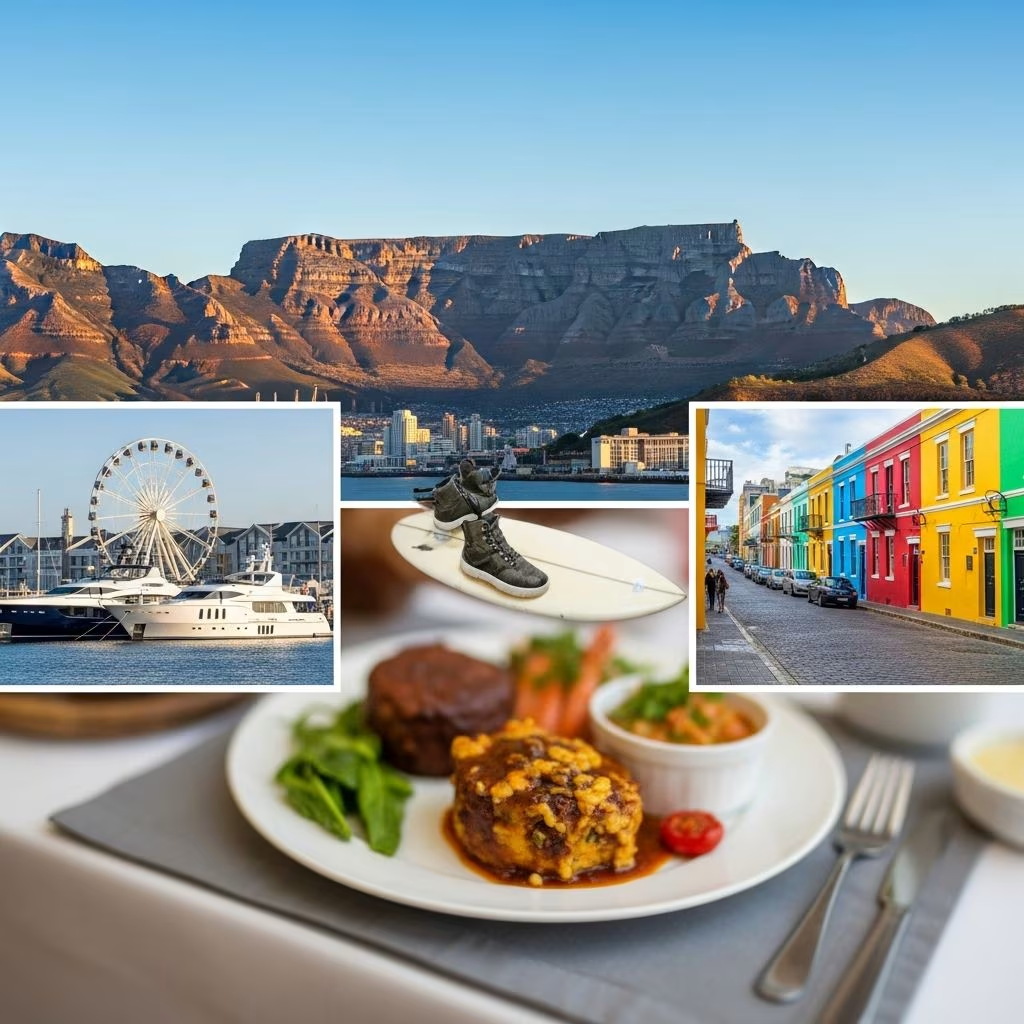
The most logical starting point for any Cape Town visit involves engaging with Table Mountain, the city’s most recognizable geographical feature and one of the world’s natural wonders. This distinctive flat-topped mountain dominates the urban skyline and provides visitors with multiple options for exploration.
Early morning presents the optimal time to visit Table Mountain before crowds accumulate and weather conditions potentially deteriorate. You have two primary options: ascending via the rotating cable car system or undertaking a hiking expedition. The cable car journey takes approximately 10 minutes and requires a modest financial investment, approximately $25 USD, providing convenient access to panoramic vistas. This method allows visitors with varying fitness levels to reach the summit.
Alternatively, athletic visitors might consider hiking one of several established trails. The duration varies between 1-3 hours depending on route selection. Dedicated hikers can traverse upward via one trail and descend via cable car, combining both experiences. Once atop the mountain, visitors encounter spectacular 360-degree perspectives of the Atlantic Ocean, city sprawl, and surrounding geographical features. The summit includes a restaurant and bar where refreshments can be obtained while absorbing the vistas.
Following your Table Mountain experience, Kirstenbosch National Botanical Garden deserves several hours of exploration. This 1,300-hectare institution showcases South Africa’s remarkable botanical diversity through carefully curated collections of indigenous plant species. The garden’s layout facilitates leisurely walking through varied botanical zones, each representing different regional ecosystems and vegetation types.
Kirstenbosch’s design philosophy emphasizes integration with surrounding natural landscape features, creating a seamless transition between cultivated gardens and wild mountainside vegetation. The space functions equally well for casual strolling, botanical education, or peaceful contemplation. Many visitors bring picnic provisions and establish themselves on the expansive lawns overlooking the city below. During warmer months, the gardens host evening concert performances that combine musical entertainment with botanical ambiance.
Cape Town’s residential and commercial neighborhoods each possess distinct character, artistic identity, and cultural significance. Allocating time for neighborhood exploration provides visitors intimate insights into local life beyond typical tourist circuits.
Woodstock has transformed into Cape Town’s premier creative district, featuring galleries, independent retailers, and innovative dining establishments. Albert Road serves as the neighborhood’s primary commercial spine, lined with converted industrial spaces now functioning as galleries, boutiques, and restaurants. Notable venues include the Woodstock Co-op and Woodstock Exchange, both offering curated selections of local merchandise and dining options. The Stevenson, Goodman, and SMAC galleries showcase contemporary artwork from regional and international artists.
Weekend visitors should prioritize the Neighbourgoods Market, located within the Old Biscuit Mill. This prepared foods extravaganza features numerous culinary vendors offering both familiar and experimental cuisine, street-style eating options, and vibrant market atmosphere. The experience captures Cape Town’s culinary evolution and cosmopolitan food culture.
Bo Kaap presents an entirely different neighborhood character, with origins tracing to the 1760s. The district’s defining visual characteristic involves vibrantly painted residential structures in shades of blue, yellow, green, and purple. Historically, these homes housed enslaved populations following South Africa’s complex colonial period. Contemporary Bo Kaap functions as a thriving cultural community celebrating Cape Malay heritage through traditional restaurants, cultural institutions, and community initiatives.
The Bo-Kaap Museum, housed within the district’s oldest building, documents this complex history through exhibits and archival materials. Dining establishments throughout the neighborhood serve traditional Cape Malay cuisine, characterized by elaborate spice combinations, fruit incorporation, and meat preparations reflective of cultural culinary traditions. Beyond dining and museums, the neighborhood invites casual wandering through compact streets, enabling visitors to observe daily community life and capture photography documenting the distinctive architectural palette.
Cape Town’s position on the Atlantic coast provides exceptional opportunities for observing marine and avian wildlife within managed natural environments. These experiences combine entertainment value with ecological education.
Located on Cape Town’s southwestern coastline, Hout Bay functions as a comprehensive natural destination combining mountain scenery, harbor activities, and wildlife encounters. The Twelve Apostles mountain range creates an imposing visual backdrop, its peaks rising dramatically above the coastline.
World of Birds represents Africa’s largest bird park, housing 3,000 individual birds representing over 100 species. The facility features walk-through aviaries enabling close observation and interaction with various bird species. Weekend visitors can shop at the harbor market, featuring local crafts, fresh produce, and prepared food items. The combination of mountain views, marine vistas, and wildlife experiences makes Hout Bay an essential component of any comprehensive Cape Town itinerary.
South Africa’s only native penguin species congregates at Boulder’s Beach within the greater Simon’s Town coastal area. Viewing these charming creatures in their natural habitat provides memorable wildlife experiences. The coastal road leading to this destination traverses scenic segments including Muizenberg’s iconic colored beach huts and the winding Chapman’s Peak Drive, arguably Cape Town’s most photographically stunning coastal route.
Robben Island represents Cape Town’s most significant historical site, functioning as a museum and cultural memorial documenting South Africa’s complex political history. The island served as a maximum-security prison facility housing political prisoners during South Africa’s apartheid era.
A half-hour ferry journey transports visitors from the mainland to the island, providing breathtaking views of Cape Town and Table Mountain during transit. Island tours include visits to the prison facility, graveyards, and the cell of Nelson Mandela, South Africa’s first democratically elected president. Ferry service operates three times daily during low season, with additional afternoon departures during spring and summer months. Advance ticket booking is essential, as capacity frequently reaches capacity, particularly during peak tourist periods.
Cape Town’s culinary scene reflects its multicultural population and position as a global culinary destination. The city’s restaurants span price ranges and cuisine types, from casual street food to fine dining establishments. Wine culture holds particular significance, with the Cape Winelands located nearby, producing internationally recognized varietals.
Bree Street functions as a dining and shopping destination, featuring restaurants, wine bars, and independent retailers. Many establishments emphasize locally-sourced ingredients and contemporary preparation techniques. Waterfront locations provide dining experiences combining meal service with harbor vistas and sunset observation opportunities.
As daylight diminishes, several activities transition particularly well to evening hours. Sunset viewing from Table Mountain’s summit offers spectacular visual experiences, though crowds accumulate during this period. Alternative sunset locations include Lion’s Head, another prominent mountain feature with hiking trails, or coastal viewpoints such as Signal Hill.
Evening entertainment options include waterfront dining experiences, cultural performances, or visits to Mojo Market, an indoor venue featuring food vendors, cocktail service, live musical performances, and casual entertainment from 11 AM until 11 PM daily. This venue provides entertainment-focused dining without pressure for extended meal service.
Successfully experiencing Cape Town’s highlights within 24 hours requires thoughtful sequence planning and realistic time allocation. Transportation between distant attractions consumes substantial time; grouping nearby destinations minimizes transit duration. The following framework optimizes logistical efficiency:
Weather patterns significantly influence activity planning. Summer months (November–March) provide warm, sunny conditions ideal for outdoor activities, though afternoon wind occasionally arises. Winter periods (June–August) bring cooler temperatures and occasional rain, potentially affecting mountain visibility and outdoor comfort.
November through March offers warm weather and sunny conditions suitable for outdoor activities. Winter months provide milder temperatures but potentially less favorable weather for mountain and beach activities. Year-round visitation remains feasible with appropriate activity adjustments.
Cable car ascent and descent, combined with summit exploration, requires approximately 2-3 hours. Hiking routes demand 2-6 hours depending on trail difficulty and personal fitness levels.
Robben Island ferries require advance booking due to limited daily capacity. Table Mountain cable car tickets benefit from early purchase during peak season, though same-day tickets typically remain available. Restaurant reservations enhance dining experiences, particularly in popular establishments.
Rental vehicles provide flexibility for geographically dispersed attractions. Ride-sharing services and organized tours offer alternatives to self-driving. Some central attractions remain accessible via pedestrian exploration.
Yes. Cable car access accommodates varied fitness capabilities for Table Mountain experience. Neighborhood exploration requires only casual walking. Marine wildlife attractions involve minimal physical exertion.
Condensing Cape Town’s highlights into a single day demands prioritization and efficient planning, yet remains entirely achievable. The city offers sufficient diversity—natural wonders, cultural neighborhoods, culinary excellence, and historical significance—to create profoundly memorable 24-hour experiences. Whether emphasizing outdoor adventure, cultural immersion, historical understanding, or culinary discovery, visitors can customize itineraries reflecting personal interests while maintaining strategic geographical sequencing. The result transcends typical tourist experiences, providing authentic engagement with what consistently ranks among the world’s most compelling destinations.
