 Stays
StaysStays
Oriana Cruise Ship: Design, Features and Passenger Experience
Explore the history, specs, passenger experiences, and transformation of the iconic Oriana cruise ship, once P&O's flagship for British cruisers.
 Stays
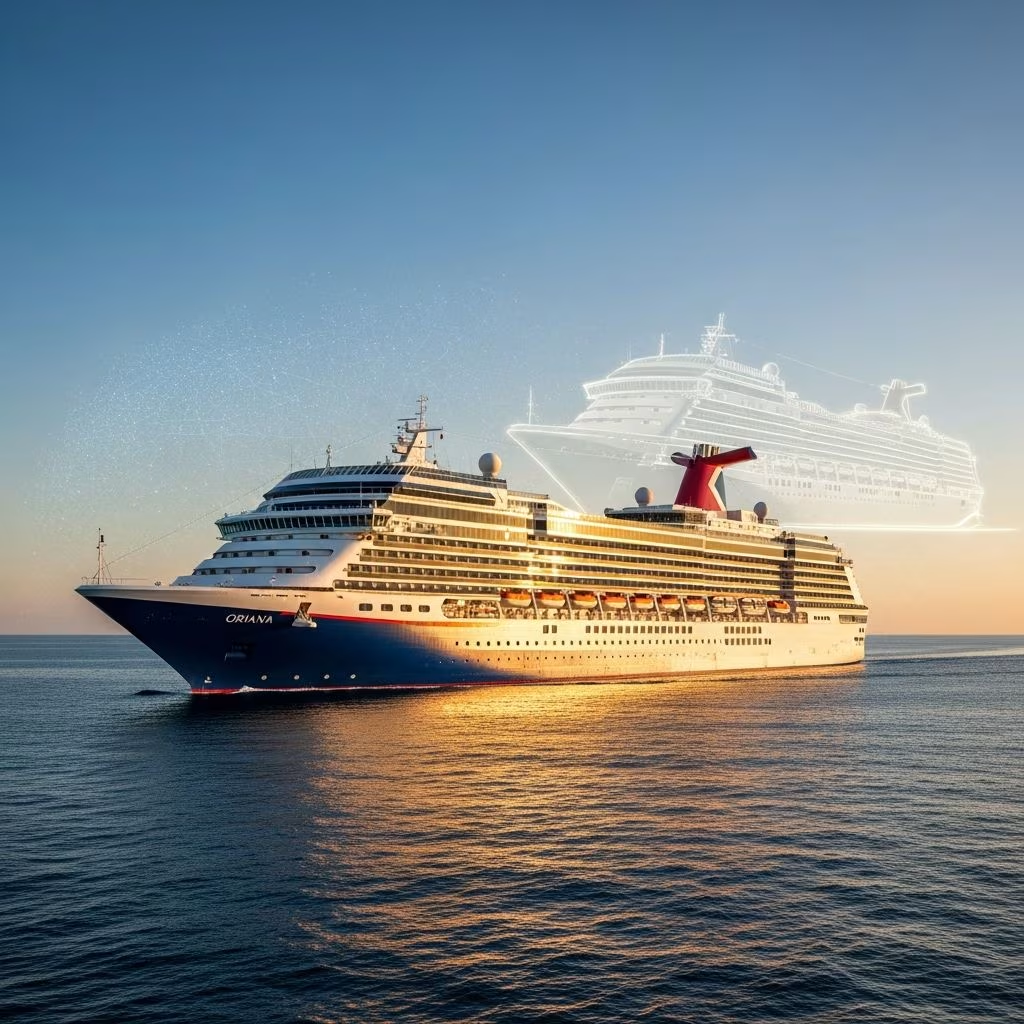
StaysThe Oriana cruise ship stands as a testament to maritime engineering excellence, originally crafted as a bespoke vessel for the British market by P&O Cruises. Launched in 1995, it quickly became a symbol of luxury and sophistication at sea, tailored specifically for adult passengers seeking refined voyages. Over the decades, Oriana evolved through ownership changes, ultimately transitioning to new operators and a fresh identity, reflecting the dynamic nature of the global cruise industry.
Design and Technical Marvels
When introduced, Oriana broke new ground as the first purpose-built cruise liner for P&O Cruises, designed exclusively for the British cruising public. Constructed by Meyer Werft in Germany, it was among the largest ships of its era, boasting impressive dimensions and innovative features that set it apart from contemporaries.
Measuring 69,153 gross tons, the ship stretches 261 meters in length with a beam of 32.2 meters and a draft of 8.2 meters. Its propulsion system comprises four MAN B&W L58/64 diesel engines, delivering a total output of 37,750 kW to two controllable pitch propellers, enabling a service speed of 24 knots—making it the fastest in P&O’s UK fleet during its prime.
Oriana featured expansive outdoor deck spaces and the largest swimming pool at sea upon launch, prioritizing passenger comfort and leisure. With 13 decks in total, including 6 dedicated to cabins, the layout optimized space for relaxation and entertainment. Passenger capacity reached up to 1,928, supported by a crew of 800, yielding a favorable passengers-to-space ratio of around 37.
| Specification | Details |
|---|---|
| Gross Tonnage | 69,153–69,840 GT |
| Length | 261 m |
| Beam | 32.2 m |
| Draft | 8.2 m |
| Speed | 24 knots |
| Passengers (max) | 1,928 |
| Crew | 800 |
| Cabins | 941 total |
Cabin configurations included 24 suites, 106 balcony staterooms, 331 inside rooms, and 480 oceanview cabins, many measuring about 150 square feet. These accommodations emphasized comfort, with clean, well-appointed interiors noted by passengers.
Signature Onboard Experiences
Oriana’s interiors blended classic elegance with modern amenities, earning praise for its welcoming atmosphere. Signature elements included a stunning Tiffany glass ceiling in a central atrium, creating a dramatic entry point that impressed first-time visitors. The promenade deck offered panoramic views and leisurely strolls, while varied lounges catered to different moods—from intimate bars to spacious gathering areas.
- Atrium and Public Spaces: Multi-level atrium with artistic lighting and high-end decor, fostering a sense of grandeur.
- Dining Options: Multiple venues from buffets to formal restaurants, though some short-cruise diners reported inconsistencies in room service quality.
- Entertainment Lounges: Diverse options for shows, music, and socializing, highlighted in video tours of voyages like Southampton to Bruges.
- Outdoor Facilities: Expansive decks with the era’s largest pool, ideal for sunbathing and relaxation.
Passengers often described an overwhelmingly positive first impression, with cabins featuring thoughtful facilities and a ship-wide ‘nice feel’ that encouraged repeat visits.
Target Audience and Voyage Styles
Exclusively adults-only, Oriana attracted a predominantly British, mature clientele, creating a serene environment free from family distractions. This policy aligned with P&O’s strategy for ships like Arcadia and Aurora, positioning Oriana as a haven for older travelers seeking tranquility.
It specialized in short ‘taster’ cruises from home ports like Southampton, such as two-night trips to Belgium or Bruges. These itineraries allowed newcomers to sample P&O’s offerings, often at premium per-night rates due to the ship’s reputation as the line’s longest-serving vessel.
Embarkation was streamlined, especially for UK departures, where passengers could park nearby and walk to the terminal. Excursions, like those to Bruges, were well-organized, enhancing the overall appeal.
Passenger Insights and Critiques
Traveler feedback painted a mixed yet largely favorable picture. Strengths included efficient embarkation/disembarkation, spacious promenades, and buffet breakfasts with ample seating. Many raved about the layout, cabin cleanliness, and lounge variety.
However, challenges emerged on shorter sailings: bar service lagged due to staffing imbalances, with more order-takers than mixologists leading to delays. Room service drew sharp criticism for poor food quality, incorrect orders, slow delivery, and stock shortages—issues deemed unacceptable on a marketed taster cruise.
← Previous
P&O Aurora Cruise Ship Review: Adults-Only Classic Cruising
Next →
P&O Azura Review: Cabins, Dining, Activities & Value
Related Reading