

Food & Culture Stays Travel Essentials Travel Guides Trip Ideas
Categories
From the Blog
Remy’s Ratatouille Adventure at EPCOT: Ride Review, Tips & 2D Update
Travel Essentials

Osa Peninsula, Costa Rica: Complete Travel Guide

Uncover Osa Peninsula's remote adventures: hike Corcovado National Park, dive at Caño Island, spot wildlife, and embrace sustainable travel in this Pacific paradise.
Travel Essentials

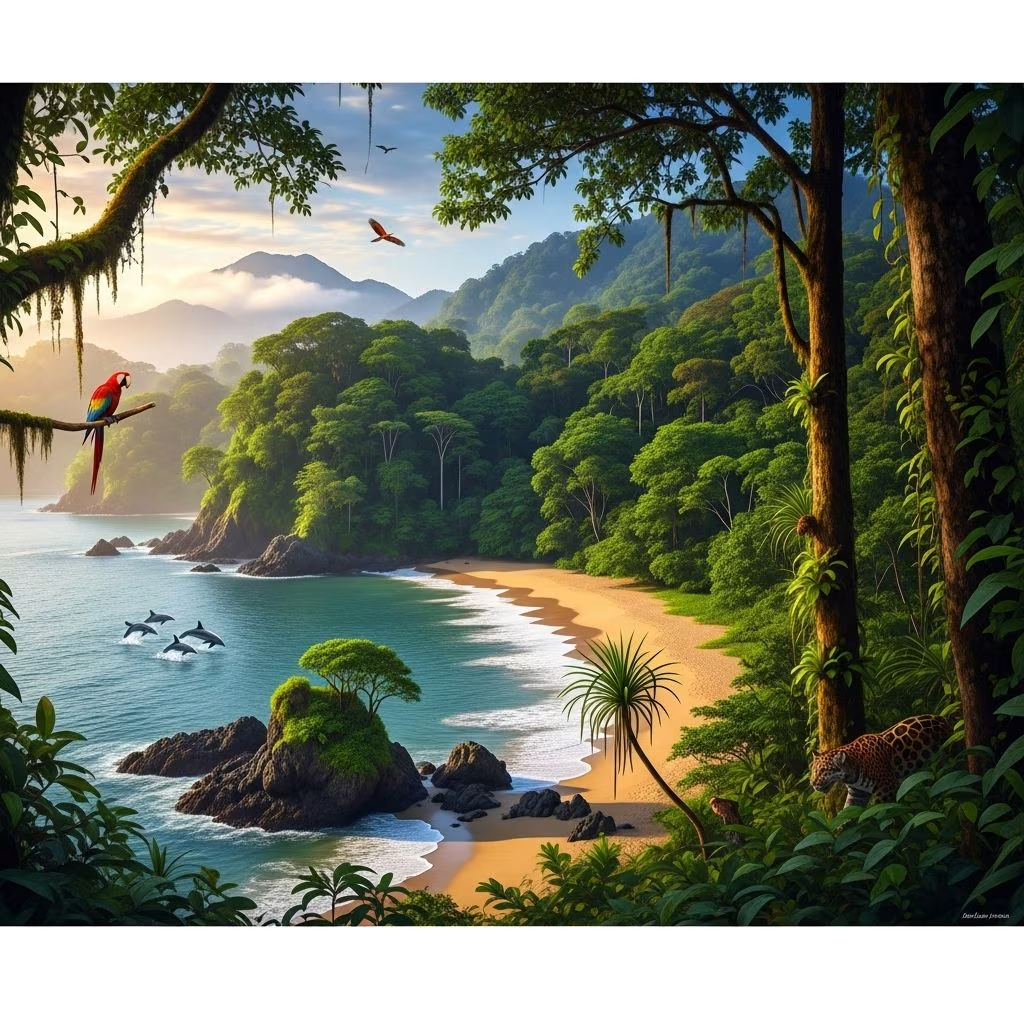
The Osa Peninsula stands as one of Costa Rica’s most captivating destinations, a rugged expanse on the southern Pacific coast renowned for its extraordinary biodiversity and pristine natural environments. Dubbed the “most biologically intense place on Earth” by National Geographic, this remote region offers unparalleled opportunities for immersive nature experiences, from dense rainforest treks to vibrant marine explorations.

Why Osa Peninsula Captivates Nature Enthusiasts

Osa’s allure lies in its isolation and untouched wilderness. Flanked by the Pacific Ocean to the west and the serene Golfo Dulce to the east, the peninsula encompasses vast protected rainforests, mangrove systems, and coral-fringed islands. Its flat topography, peaking at just over 2,500 feet at Tiger Hill, supports thriving ecosystems teeming with life. Visitors flock here for sightings of scarlet macaws, squirrel monkeys, sloths, and even elusive jaguars, alongside world-class aquatic pursuits.

Unlike more developed tourist hubs, Osa maintains a raw, authentic vibe, ideal for honeymoons, family adventures, birdwatching retreats, or solo explorations. With over 463 bird species, 140 mammals, and thousands of insect varieties, it’s a paradise for ecotourists seeking genuine encounters.

Getting to Osa: Navigating the Remote Access

Reaching Osa demands planning due to its off-the-beaten-path location. The primary gateways are Puerto Jimenez in the northeast and Drake Bay (Bahia Drake) in the northwest, both accessible via multiple routes.

  • By Air: Short domestic flights from San Jose to Puerto Jimenez (about 1 hour) via SANSA airlines provide the quickest entry. This is efficient for those short on time.
  • By Road and Boat: From San Jose, drive south through dramatic landscapes to Sierpe (8-10 hours), then take a thrilling 45-minute river boat to Drake Bay. Roads can be rough, especially in rainy seasons, so 4×4 vehicles are recommended.
  • By Bus: Grupo Blanco buses connect coastal towns like Puntarenas to Puerto Jimenez, offering a budget-friendly but longer option (10+ hours).

Once there, local boats facilitate park access and island trips. Allow at least a week to fully appreciate both sides of the peninsula, balancing hikes, water activities, and relaxation.

Unmissable Adventures in Osa Peninsula

Osa brims with activities catering to thrill-seekers and serene observers alike. Here’s a curated selection of highlights.

Trekking Through Corcovado National Park

Corcovado National Park, covering much of Osa’s southern tip, is the crown jewel. Spanning five ranger stations, it hosts multi-day hikes revealing monkeys, tapirs, and rare birds. Key stations include:

  • Sirena: The hub with eight trails; access by boat from Drake Bay or Puerto Jimenez, or hike from Leona (16km) or Los Patos (20km).
  • San Pedrillo: Prime for birding near Drake Bay, featuring waterfalls and beach paths.
  • Leona: Beachfront start for epic treks to Sirena.
  • Los Patos: Northern entry for challenging overland routes.
  • El Tigre: Day-hike friendly with a 7km mountain trail near Puerto Jimenez.

Guided tours are mandatory for overnight stays; expect encounters with all four Costa Rican monkey species and Baird’s tapirs.

Underwater Wonders at Caño Island

Isla del Caño, a 45-minute boat ride from Drake Bay, boasts Costa Rica’s premier snorkeling and scuba sites. Coral reefs shelter turtles, rays, sharks, eels, and schooling fish. Seasonal whale and dolphin sightings en route add magic—prime in July-September and January-March.

Diving here reveals white-tip reef sharks and diverse marine life in warm, clear waters year-round.

Marine Safaris and Wildlife Spotting

Golfo Dulce and Pacific bays teem with humpback whales (August-September peak), dolphins, and occasionally whale sharks. Sierpe Mangroves offer calm boat tours for crocodile and bird viewing from Drake Bay. Fishing yields roosterfish and snappers, while surfers chase waves at Playa Matapalo.

Aerial and Elevated Thrills

Canopy ziplines, reachable by ATV or horseback, feature long cables (over 100m), suspended bridges, and rappels amid treetops for bird and monkey spotting.

Where to Base Your Osa Exploration

Puerto Jimenez serves as the practical hub with amenities like supermarkets, clinics, and dining. It’s ideal for Corcovado access via boat or trail. Drake Bay offers a more resort-like vibe, perfect for Caño trips and park excursions.

Accommodations range from ecolodges to hostels. Opt for sustainable spots emphasizing low-impact tourism.

LocationBest ForKey Amenities
Puerto JimenezHiking, FishingBanks, Supermarkets, Restaurants
Drake BaySnorkeling, Park ToursBoat Docks, Eco-Resorts
Carate/El RemansoBeach RelaxationRemote Lodges, Surf Spots

Planning Your Ideal Itinerary

A sample 7-day adventure:

  1. Days 1-2: Arrive Drake Bay; snorkel Caño Island, mangrove tour.
  2. Days 3-4: Hike Corcovado (San Pedrillo or Sirena overnight).
  3. Days 5-6: Transfer to Puerto Jimenez; whale watching, ziplining, El Tigre hike.
  4. Day 7: Surf or relax before departure.

Extend to 12 days by combining with Arenal or Manuel Antonio for a fuller Costa Rica loop.

Practical Travel Tips for Osa

  • Best Time: Dry season (December-April) for hiking; wet season (May-November) for lush greenery and fewer crowds, though trails get muddy.
  • Packing Essentials: Insect repellent, rain gear, sturdy boots, binoculars, reef-safe sunscreen.
  • Costs: Park entry ~$15/day; tours $50-150/person; lodging $50-300/night.
  • Safety: Stick to guides in park; watch for snakes, tides.

Embracing Sustainable Practices in Osa

Osa’s fragility demands responsible travel. Choose certified eco-lodges, support community tourism, avoid single-use plastics, and follow Leave No Trace principles. Low human density preserves its 700 tree species and endangered macaw populations.

Frequently Asked Questions (FAQs)

How do I get to Corcovado National Park?

Boat from Drake Bay/Puerto Jimenez or hike from ranger stations like Leona. Guides required for overnights.

Is Osa Peninsula safe for families?

Yes, with guided activities; watch kids near water and wildlife.

What’s the best dive spot?

Caño Island for reefs, sharks, turtles—year-round accessible.

Can I see whales in Osa?

Yes, humpbacks July-Sept/Jan-Mar via boat tours.

How many days for Osa?

Minimum 5-7; ideal 10+ for full immersion.

References

  1. Ultimate Guide to Osa Peninsula: The Untamed Wild — kimkim. 2023. https://www.kimkim.com/c/ultimate-guide-to-osa-peninsula-the-untamed-wild
  2. Osa Peninsula, Costa Rica Travel Guide — MytanFeet. 2024-01-15. https://mytanfeet.com/costa-rica-travel-tips/where-to-stay-in-osa-peninsula/
  3. Top Attractions on the Osa Peninsula in Costa Rica — Explorers Passage. 2023-05-20. https://explorerspassage.com/chronicles/osa-peninsula/
  4. Costa Rica Itinerary with Osa Peninsula — Two Weeks in Costa Rica. 2024-03-10. https://www.twoweeksincostarica.com/costa-rica-itinerary-osa-peninsula/
  5. Costa Rica’s Osa Peninsula is Calling — ROAM Family Travel. 2023-08-12. https://roamfamilytravel.com/costa-rica-ricas-osa-peninsula-is-calling/
  6. Osa Peninsula Sustainable Travel Guide — HoneyTrek. 2023-11-05. https://www.honeytrek.com/osa-peninsula-sustainable-travel/
  7. The First Timer’s Guide to Osa Peninsula Costa Rica — Tofu Traveler. 2024-02-28. https://www.tofutraveler.com/blog/osa-peninsula-costa-rica
ME
medha deb
Medha Deb is an editor with…

Medha Deb is an editor with a master's degree in Applied Linguistics from the University of Hyderabad. She believes that her qualification has helped her develop a deep understanding of language and its application in various contexts. Medha specializes in the areas of beauty, health, sports, and wellness and is committed to ensuring that the content on the website is of the highest quality.Medha's passion for writing and editing began early in life when she joined a book writer's club with her mother. It was there that she discovered her love for the written word and the power it holds to inform, inspire, and transform lives. Since then, she has honed her skills as a writer and editor, working with a variety of clients and publications to produce compelling and informative content. Currently, she writes and edits for CultureTreker.She is also an ardent animal lover and dedicates her time and resources to the foster care of neonatal kittens, providing them with the love and attention they need to thrive. Her commitment to animal welfare is a testament to her compassion and empathy, and it underscores her belief in the importance of caring for the most vulnerable members of our society.

← Previous
Best Things to Do in Montreal: Neighborhoods, Culture & Food
‹›
