

 Travel Essentials
 Travel Essentials

From Hawaii to Scotland, beloved destinations are asking visitors to tread lightly, easing overcrowding and protecting local communities.
 Travel Essentials
Iconic travel hotspots around the world are facing a paradox: their allure draws record crowds, yet those same visitors threaten the very essence that makes them special. From sun-soaked beaches to rugged highlands, communities are voicing concerns over overcrowding, environmental strain, and cultural erosion. This article delves into why certain paradises—from Pacific islands to tropical archipelagos and misty moors—are asking travelers to pause, reconsider, or choose alternatives. By examining real-world examples, we’ll uncover the root causes, local responses, and ways you can visit responsibly—or opt for hidden gems instead.
Explosive growth in global travel has turned dream destinations into battlegrounds between economic benefits and long-term sustainability. In places where natural beauty and limited infrastructure collide with mass arrivals, the scales are tipping. Housing prices soar as short-term rentals displace locals, pristine ecosystems suffer from waste and foot traffic, and cultural sites lose their authenticity under commercial pressure. Recent data from official advisories highlight not just safety concerns but underlying strains exacerbated by tourism booms.
These pressures aren’t abstract—they manifest in calls from residents for caps on visitors, higher fees, or outright pauses on promotion. Understanding this shift empowers travelers to make choices that respect host communities.
Hawaii, with its volcanic landscapes and aloha spirit, exemplifies paradise under siege. Native Hawaiians have long advocated for regenerative tourism, where visitors give back more than they take. Flash floods, tsunamis, and heavy rains frequently disrupt the islands, amplifying vulnerabilities. The Hawaii Tourism Authority issues regular alerts on weather systems and beach hazards, underscoring the need for caution amid natural risks.
Maui’s recent wildfires exposed how tourism infrastructure can hinder recovery efforts, with locals urging outsiders to stay away during rebuilding. On Oahu, crowded North Shore beaches see conflicts over space, while Big Island’s lava fields face trampling by selfie-seekers. Community-led initiatives promote “travel pono”—responsible practices like supporting local farms and avoiding peak seasons.
| Island | Key Challenges | Visitor Guidelines |
|---|---|---|
| Maui | Post-fire recovery, water scarcity | Book through local operators; donate to relief funds |
| Oahu | Overcrowded beaches, traffic | Visit early mornings; use public transit |
| Big Island | Lava tours disrupting ecosystems | Stick to marked trails; no drones |
Travel advisories rate Hawaii at Level 1, but locals emphasize quality over quantity: fewer guests allowing deeper immersion. Opt for off-season trips (April-May, September-October) to ease pressure.
The Caribbean’s turquoise waters and white sands attract millions, but beneath the postcard perfection lie stark realities. While most islands hold Level 1 advisories, hotspots like Haiti demand Level 4 avoidance due to unrest, crime, and health risks. Even safer isles face petty theft, poor roads, and hurricane vulnerabilities from June to November.
Bahamas’ New Providence sees gang activity in certain Nassau neighborhoods, with warnings against unregulated Jet Skis—a common tourist trap. In Costa Rica (with Caribbean coasts), rip currents claim lives yearly, and public buses invite pickpocketing. Smaller islands like Saba offer steep, slippery roads and limited medical evac options, advising against solo night walks.
Locals push back with eco-fees and visitor limits. For instance, Barbados promotes slow tourism, encouraging longer stays in community guesthouses over all-inclusives that siphon profits offshore. Sustainable alternatives include volunteering with reef restoration or turtle patrols.
Despite challenges, the region’s warmth persists—pair vigilance with respect for a memorable escape.
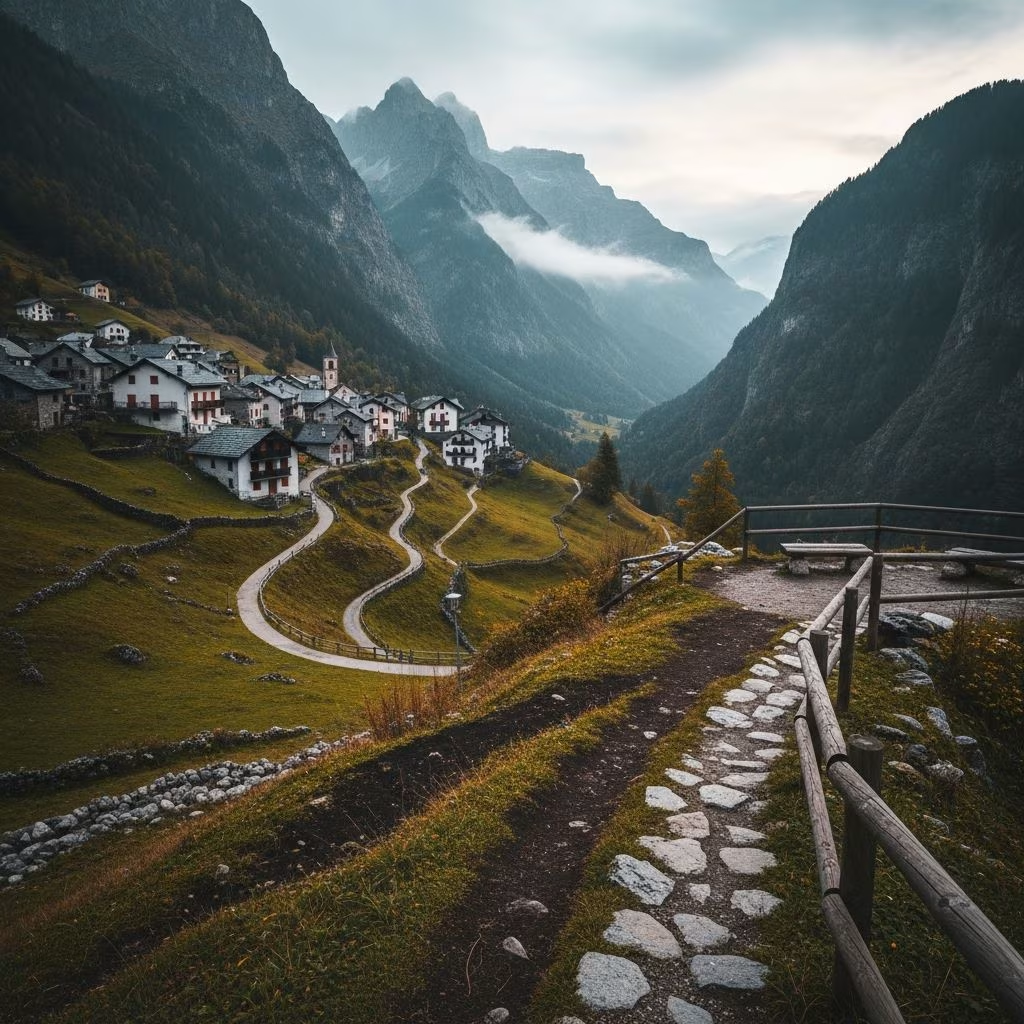
Scotland’s dramatic landscapes—lochs, glens, and ancient castles—draw hikers and history buffs, but midges aren’t the only irritants. Overtourism clogs the North Coast 500 route, with campervans straining narrow roads and wild camping scarring peatlands. Residents in Skye and the Isles report housing crises from holiday lets, prompting caps on short-term rentals.
Weather plays a role too: relentless rain and Highland winds make trails hazardous, mirroring Hawaii’s alerts for slippery paths. The Scottish government endorses VisitScotland’s sustainable code, urging visitors to “leave no trace” and book ahead for popular sites like the Fairy Pools.
In Edinburgh, festival season overwhelms medieval streets, while Glasgow’s vibrant scene suffers litter buildup. Initiatives like the “Scottish Approach to Visitor Management” prioritize local access, with some glens trialing parking fees to fund conservation.
| Region | Main Issues | Responsible Tips |
|---|---|---|
| Highlands | Road congestion, wild camping damage | Use designated sites; travel off-peak |
| Isle of Skye | Housing shortage, trail erosion | Stay in certified B&Bs; hike in groups |
| Edinburgh | Festival overcrowding | Book accommodations early; walk or bus |
Scotland remains Level 1 safe, but embracing its plea for mindful exploration enhances your journey.
These destinations share a narrative: tourism’s double-edged sword. High-credibility advisories from the U.S. State Department provide frameworks—Level 1 means normal precautions, but local sentiments add nuance. Strategies for ethical travel include:
Beyond these spots, patterns emerge worldwide—from Venice’s entry fees to Bali’s temple protections. Travelers hold power: by diversifying destinations, we preserve wonders for future generations.
Yes, at Level 1, but monitor weather alerts and respect recovery zones.
Most like Antigua and Sint Maarten are Level 1; skip Haiti (Level 4).
Explore the Outer Hebrides or Cairngorms; follow the Outdoor Access Code.
It’s travel that restores rather than extracts, like Hawaii’s pono philosophy.
Yes—Lanzarote over Lanzarote, Faroe Islands over Iceland.
The message from these cherished places is clear: visit, but with intention. By heeding calls for fewer feet on fragile grounds, we honor the privilege of exploration. Research advisories, support sustainability, and consider your footprint—travel transformed becomes a force for good.
