

 Travel Essentials
 Travel Essentials

Comprehensive guide to planning your Pacific Coast Highway adventure with scenic stops, lodging recommendations, and activities across California's stunning coastline.
 Travel Essentials
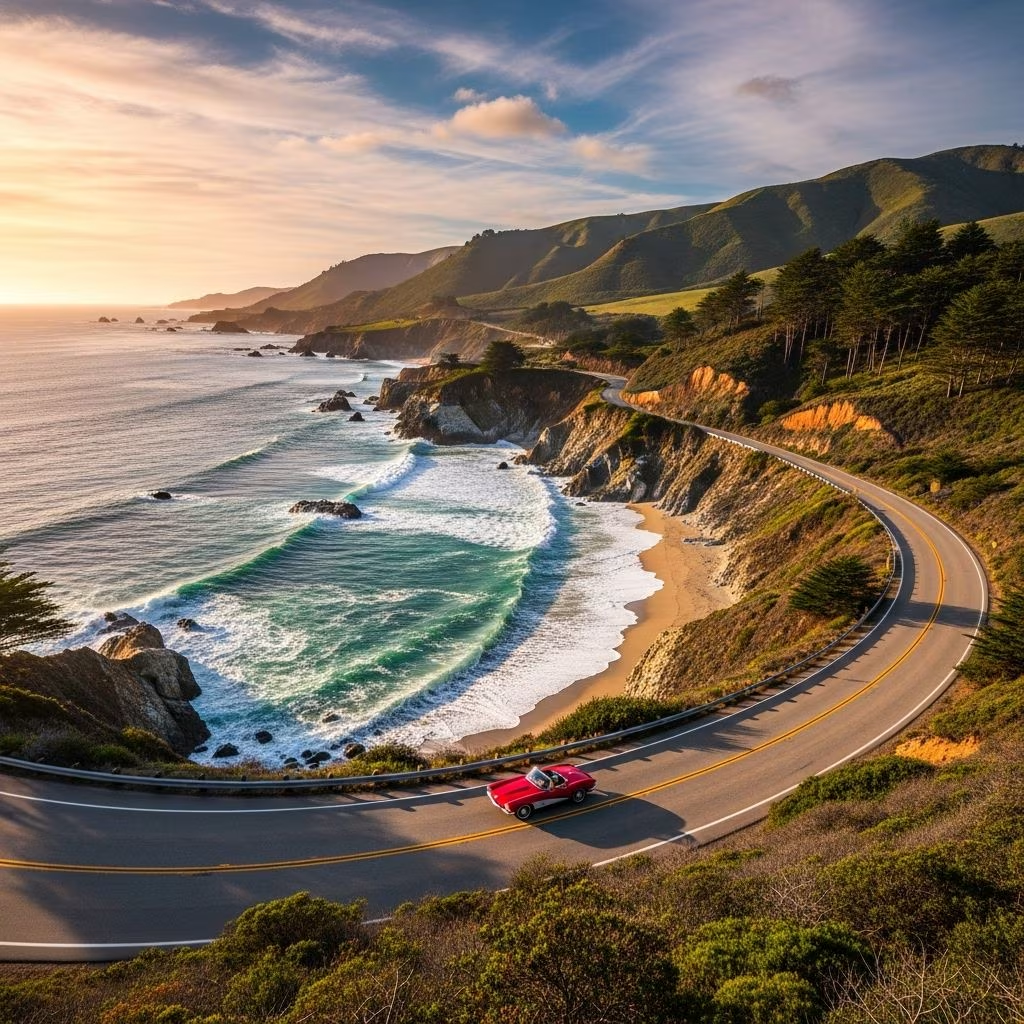
California’s coastal route represents one of North America’s most celebrated automotive journeys, stretching approximately 655 miles along the Pacific shoreline. This legendary drive combines dramatic oceanside vistas, charming seaside communities, and abundant recreational opportunities into a single unforgettable experience. Whether you’re planning a weekend escape or an extended adventure, understanding how to navigate and maximize this iconic route transforms a simple drive into the trip of a lifetime.
The Pacific Coast Highway, officially designated as California Highway 1, winds its way from the northern reaches near Leggett to the southern terminus near San Diego. The route’s northern sections follow US Highway 101 through Washington and Oregon before transitioning into the more famous Highway 1 designation as it enters California. The most celebrated portion of this drive extends between San Francisco and Los Angeles, featuring the world-renowned Big Sur coastline and countless photogenic vistas.
The driving experience varies dramatically depending on direction and season. Northbound travelers benefit from positioning themselves in lanes closest to the ocean, offering unobstructed views of the Pacific. The road surface ranges from smooth, modern asphalt through major population centers to narrower, more winding passages through undeveloped coastal stretches. Weather patterns shift considerably based on latitude and time of year, with coastal fog common in northern regions during summer months.
Planning the appropriate timeframe depends on your travel style and available schedule. Quick explorers can traverse the most famous section between San Francisco and Los Angeles in three to five days, focusing on major highlights and popular stops. However, travelers who wish to fully appreciate the region’s offerings should allocate seven to ten days minimum. Extended trips lasting two weeks allow for deeper exploration of regional attractions, wine tasting, hiking opportunities, and local culinary experiences.
| Trip Duration | Route Section | Primary Activities | Best For |
|---|---|---|---|
| 3-5 Days | San Francisco to Los Angeles | Scenic driving, major landmarks, photography | Time-limited travelers, previous visitors |
| 7-10 Days | Full California coast | Hiking, dining, cultural sites, wine regions | Comprehensive first-time experience |
| 14+ Days | Washington to San Diego | Extended exploration, regional deep-dives, relaxation | Luxury travelers, sabbatical adventures |
The journey’s opening chapters introduce travelers to California’s rugged northern coastline and charming communities. Leggett marks the transition point where Highway 101 transforms into the iconic Highway 1, home to the famous Chandelier Drive-Thru Tree attraction. This northern section establishes the coastal aesthetic that defines the entire route.
Mendocino, a picturesque Victorian-era settlement perched on rocky headlands, offers boutique shopping, gallery browsing, and exceptional coastal hiking opportunities. The Mendocino Headlands State Park provides accessible trails showcasing dramatic cliff formations and native wildflower displays. Nearby Bodega Bay delivers a quintessential California coastal town experience, complete with working fishing harbors, fresh seafood restaurants, and opportunities to observe marine wildlife including harbor seals and sea otters.
The Russian Gulch State Park near Mendocino features mist-laden redwood forests, hidden waterfalls, and trails suitable for varying fitness levels. Goat Rock Beach near Jenner rounds out the northern exploration with distinctive rock formations and prolific wildlife viewing opportunities. These communities and natural areas provide an excellent orientation to the Pacific Coast Highway experience.
California’s most iconic city serves as a natural hub for Pacific Coast Highway explorations. The Ferry Building Marketplace showcases artisanal foods and local producers, while the legendary Golden Gate Bridge offers both engineering marvel appreciation and exceptional vantage points. The Land’s End Trail originating from the historic Sutro Baths combines urban history with oceanside beauty.
Cultural attractions including the Haight-Ashbury district, Dolores Park, and Muir Woods National Monument provide contrast to the coastal focus. San Francisco’s renowned culinary scene, from Mission-style burritos to farm-to-table restaurants, fuels travelers for the journey ahead. Allocating one to two days allows appreciation of the city without excessive detours from the coastal route.
South of San Francisco, the landscape transforms dramatically. Monterey attracts visitors with the world-class Monterey Bay Aquarium and hosts the internationally recognized Monterey Jazz Festival annually. Carmel-by-the-Sea offers art galleries, upscale dining, and a distinctly European aesthetic transplanted to California’s coast.
Big Sur represents the pinnacle of Pacific Coast Highway scenery, spanning approximately 70 miles between Carmel and San Simeon. This mostly undeveloped stretch combines sheer cliff faces, redwood-forested mountains, and crashing Pacific waves into an unparalleled natural spectacle. Highway 1 snakes along precipitous ridges, offering continuous jaw-dropping vistas. Photography enthusiasts should schedule extra time, particularly during golden hours when dramatic lighting transforms the landscape into ethereal scenes.
San Luis Obispo, located inland but accessible from Highway 1, offers wine tasting in the Santa Maria Valley and Thursday evening farmers markets showcasing regional agriculture. Santa Barbara provides a southern transition point featuring Spanish colonial architecture, Mediterranean climate, and upscale beach town amenities.
Los Angeles marks the gateway between Highway 1 and more urbanized California coastlines. The city offers extensive cultural attractions, dining options, and accommodations ranging from budget-friendly to ultra-luxury. Beach communities including Malibu, Santa Monica, and Long Beach provide accessible ocean access within the metropolitan area.
Dana Point marks the southern terminus for many Pacific Coast Highway travelers planning moderate-duration trips. This Orange County location features beaches, tide pools, and harbor activities. San Diego, situated further south near the Mexican border, extends the Pacific coastal experience with its own cultural attractions, historic Spanish colonial sites, and year-round pleasant weather.
The Pacific Coast Highway remains drivable year-round, though conditions vary seasonally. Summer months (June through August) bring peak tourism, fuller accommodations, and warmer weather but reduced availability of lodging. Spring and fall offer moderate temperatures, fewer crowds, and excellent visibility. Winter brings dramatic storm systems that can temporarily close sections of Highway 1, particularly around Big Sur. Always verify current road conditions before planning winter trips.
Accommodation options span luxury resorts, mid-range hotels, vacation rentals, and camping facilities. Big Sur area lodging requires advance reservations, particularly during peak season. Camping provides budget-friendly options with enhanced natural immersion. Glamping—combining camping comfort with luxury amenities—appeals to travelers seeking balance between adventure and comfort.
Attempting to complete the entire route in a single day sacrifices the experience entirely. Limiting daily driving to four to five hours allows time for meaningful stops, short hikes, meal breaks, and photography. Early morning starts provide optimal lighting for photography and less traffic congestion through scenic sections.
The Pacific Coast Highway’s appeal extends far beyond scenic driving. Hiking opportunities range from fifteen-minute walks to McWay Falls to full-day backpacking expeditions. Coastal biking on Highway 1 itself or on dedicated bike paths provides alternative perspectives. Marine wildlife observation opportunities include whale watching during migration seasons (December-January and May-June) and year-round seal and sea lion watching.
Wine tasting in the Santa Maria Valley and other central coast regions offers culinary exploration. Fresh seafood restaurants throughout coastal communities provide locally-sourced dining experiences. Photography, regardless of equipment sophistication, rewards patient observation and multiple visits to locations during varying light conditions.
Non-stop driving from San Francisco to Los Angeles typically requires 8-10 hours. However, meaningful travel incorporating stops typically requires 3-5 days minimum. Extended experiences spanning one to two weeks allow comprehensive exploration.
Late spring (May-June) and early fall (September-October) offer optimal conditions with pleasant temperatures, excellent visibility, and moderate crowds. Summer brings peak tourism and potentially foggy coastal areas. Winter features dramatic weather but fewer crowds and lower accommodation prices.
Yes, Highway 1 accommodates standard passenger vehicles throughout the California coast. Road conditions range from excellent urban highways to narrow mountain passes. Exercise caution on winding sections, particularly during fog or inclement weather. Large RVs and trailers face restrictions on narrow sections.
Bixby Bridge, McWay Falls, and Julia Pfeiffer Burns State Park provide iconic photography opportunities. Golden hour (one hour after sunrise and before sunset) produces optimal lighting. Less-crowded locations include pullouts north and south of Big Sur proper.
Technically yes, but it is not recommended. The drive’s value derives from appreciating landscapes, hiking, dining, and exploring coastal communities. Rushing through sacrifices the entire experience.
Book accommodations in advance, particularly in Big Sur and coastal communities during peak season. Fill fuel tanks before entering Big Sur, as service stations are limited. Download offline maps as cellular coverage fluctuates throughout the route. Pack layers suitable for variable coastal temperatures, particularly morning fog and afternoon warmth.
The Pacific Coast Highway represents more than a scenic drive; it embodies California’s natural grandeur, diverse communities, and the transformative power of extended travel. Whether allocating three days or three weeks, approaching this journey with realistic timeframes, thoughtful planning, and appreciation for both iconic landmarks and hidden treasures ensures an experience that justifies its legendary status among North American road trips.
