

Food & Culture Stays Travel Essentials Travel Guides Trip Ideas
Categories
From the Blog
Remy’s Ratatouille Adventure at EPCOT: Ride Review, Tips & 2D Update
Travel Essentials

Paddling Yellowstone National Park: Lakes, Permits & Safety

Plan a paddling trip in Yellowstone with lake picks, permits, safety tips, and seasonal guidance for canoes, kayaks, and paddleboards.
Travel Essentials

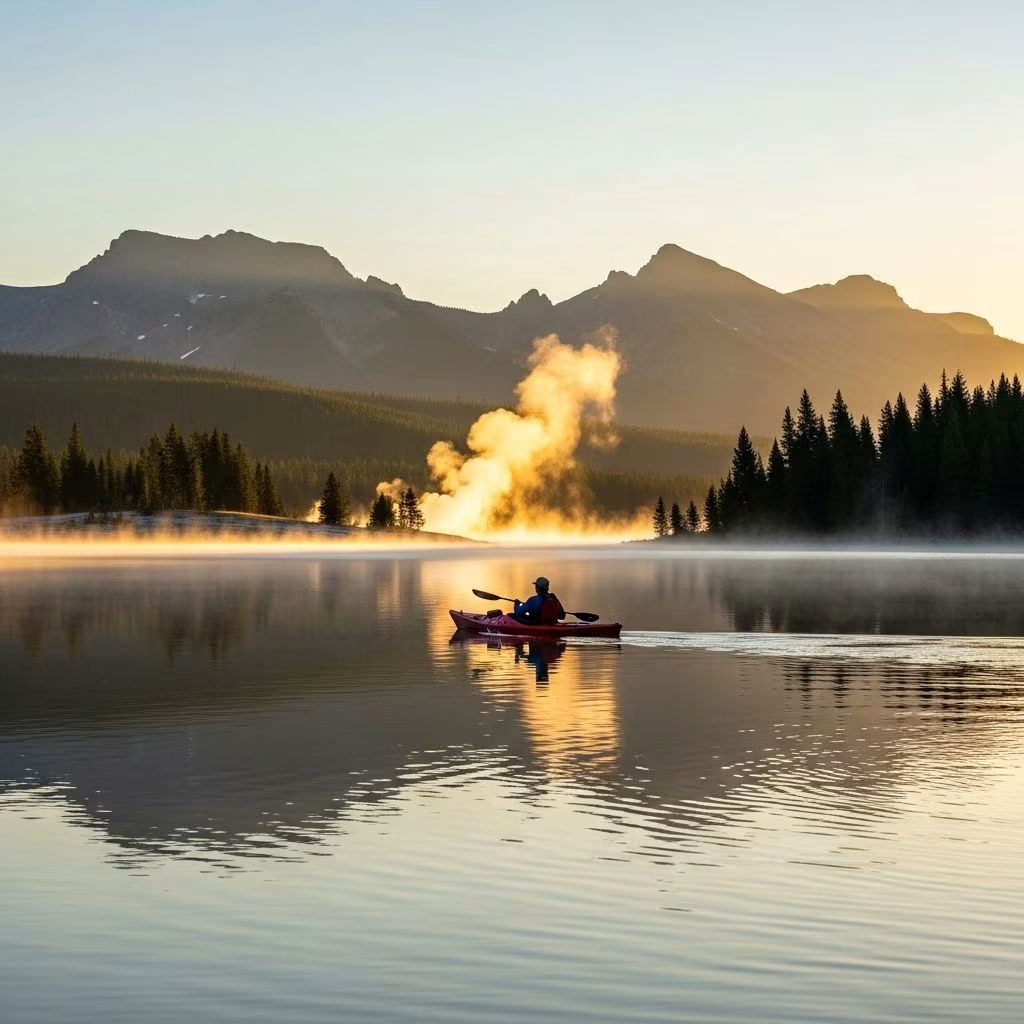
Yellowstone National Park offers unparalleled opportunities for paddlers seeking tranquility and wilderness immersion. Non-motorized watercraft like canoes, kayaks, and stand-up paddleboards provide access to remote areas inaccessible by foot or vehicle, revealing geothermal wonders, wildlife hotspots, and pristine shorelines.

Prime Lakes for Paddling Exploration

The park’s waterways are strictly regulated, with boating banned on all rivers except the hand-propelled craft channel linking Lewis and Shoshone Lakes. Permitted lakes deliver diverse experiences, from vast open waters to intimate ponds.

  • Yellowstone Lake: North America’s largest high-elevation lake at over 7,700 feet, spanning 141 square miles. Ideal for multi-day expeditions with backcountry sites along its 110-mile shoreline. Features include geyser basins and bison herds.
  • Lewis Lake: A serene southern gateway, perfect for launching into the Lewis River channel toward Shoshone Lake. Known for its glassy surface and forested shores.
  • Shoshone Lake: One of the largest backcountry lakes in the lower 48, accessible only by paddle or trail. Boasts over 30 miles of shoreline dotted with geysers and campsites.
  • Heart Lake: Nestled near Mt. Sheridan, offering hot spring views and grizzly habitat. Reachable via challenging portages for committed adventurers.
  • Smaller Gems: Eagles Nest Pond, Pocket Lake, and Thumb Lake provide calm, introductory paddles amid meadows and forests.

Seasonal Windows and Access Points

Paddling season aligns with summer stability, opening the Saturday of Memorial Day weekend (late May) and closing October 31, weather permitting. Early season brings cold waters (40s°F) and ice risks; late summer offers warmer temps up to 60s°F but potential storms.

LakeKey Launch SitesNotes
Yellowstone LakeBridge Bay Marina, Solfatara BayRentals and guided tours available; watch for 5 mph zones.
Lewis LakeLewis Lake Boat RampCalm entry to river channel.
Shoshone LakeVia Lewis River channelNo motorized access; backcountry only.
Heart LakeTrailhead portage from South EntrancePermit required; strenuous hike-in.

Essential Permits and Inspection Protocols

All vessels, including paddleboards and float tubes, require a park boating permit post-AIS (Aquatic Invasive Species) inspection to combat mussels and other invasives. Stations include Bridge Bay Ranger Station and Grant Village Backcountry Office.

  • Fees: $20 for 7 days or $30 seasonal for non-motorized; higher for motorized.
  • Grand Teton permits honored with free validation sticker.
  • 30-day dry time mandatory for sailboats and certain motorized craft unless sealed.
  • Prohibited: Jet skis, airboats, submersibles, felt-soled boots, mussel-fouled gear.

Backcountry overnights demand separate permits ($5/week individual, $15/group), reservable online or via lottery starting mid-June. Campsites book quickly; check availability at visitor centers.

Gear Essentials for Safe Paddling

Yellowstone’s alpine lakes demand robust preparation. Watercraft must be Coast Guard-approved with wearable PFDs (Type I-III or V) for every occupant—no exceptions.

  • Personal Gear: Dry bags, thermal layers, rain gear, sun protection, repair kits, first aid, bear spray.
  • Navigation: Maps, compass, GPS; cell service unreliable.
  • Group Must-Haves: Whistle, signaling mirror, extra paddles, bailing sponge.
  • Food/Water: Stove, fuel, purification tablets; no collecting firewood.

Rentals at Bridge Bay Marina include canoes, kayaks, and motorboats; guided tours from Yellowstone Lodges or outfitters enhance novice safety.

Top Paddling Routes and Itineraries

From day trips to epic loops, routes cater to all skill levels while prioritizing Leave No Trace principles.

Beginner Day Paddles

  • West Thumb Geyser Basin: 3-5 miles roundtrip from marina. Paddle past Fishing Cone and mud pots; morning starts dodge winds.
  • Lewis Lake Crossing: 2-4 miles to Shoshone channel. Spot otters and eagles en route.

Intermediate Overnights

  • Shoshone Lake Loop: 20-30 miles over 2-3 days. Camp at sites like Ridge or North Shore; explore Boysen Bay hot springs.
  • Yellowstone Lake Bays: Paddle to Mary Bay or Stevenson Island (permit needed). Volcanic craters and fossil forests await.

Advanced Expeditions

Heart Lake Traverse: 15+ miles with portages. Summit Mt. Sheridan for panoramic views; monitor grizzly activity.

Sudden winds whip up 3-5 foot waves; hypothermia looms in frigid waters. Always check forecasts at ranger stations and file float plans.

  • Weather Watch: Afternoon thunderstorms common; hug shores during gusts.
  • Wildlife Encounters: Keep 100 yards from bears/wolves, 25 from bison. Store food in bear boxes.
  • Hypothermia Prevention: Dress in layers; paddle with buddy system.
  • Geothermal Dangers: Avoid hot springs; unstable crusts near features.

Guided Experiences and Rentals

For newcomers, outfitters like Jackson Hole Kayak or park lodges offer instruction, gear, and narratives on ecology. Tours cover 3-hour geyser paddles or full-day lake circuits, ensuring compliance and expertise.

Frequently Asked Questions (FAQs)

Do I need a permit for day paddling?

Yes, all craft require an AIS inspection and boating permit before launch.

Can I use a motorized boat?

Limited to Yellowstone and Lewis Lakes; no jet skis or towing.

What’s the best time for calm waters?

Early mornings in July-August; avoid afternoons.

Are dogs allowed on paddles?

No pets in backcountry or on watercraft.

How do I book backcountry campsites?

Reserve via Recreation.gov or walk-up lottery; starts June.

Preserving Yellowstone’s Waters

Paddlers play a vital role in protecting these ecosystems. Clean, drain, dry gear; report invasives; pack out all waste. Sustainable practices ensure future generations paddle these iconic lakes.

References

  1. Boating – Yellowstone National Park (U.S. National Park Service) — U.S. National Park Service. 2023-10-31. https://www.nps.gov/yell/planyourvisit/boating.htm
  2. Paddling In Yellowstone – National Parks Traveler — National Parks Traveler. 2023. https://www.nationalparkstraveler.org/parks/yellowstone-national-park/paddling-yellowstone
  3. Paddling Yellowstone National Park — Lonely Planet. 2023. https://www.lonelyplanet.com/articles/paddling-yellowstone-national-park
ME
medha deb
Medha Deb is an editor with…

Medha Deb is an editor with a master's degree in Applied Linguistics from the University of Hyderabad. She believes that her qualification has helped her develop a deep understanding of language and its application in various contexts. Medha specializes in the areas of beauty, health, sports, and wellness and is committed to ensuring that the content on the website is of the highest quality.Medha's passion for writing and editing began early in life when she joined a book writer's club with her mother. It was there that she discovered her love for the written word and the power it holds to inform, inspire, and transform lives. Since then, she has honed her skills as a writer and editor, working with a variety of clients and publications to produce compelling and informative content. Currently, she writes and edits for CultureTreker.She is also an ardent animal lover and dedicates her time and resources to the foster care of neonatal kittens, providing them with the love and attention they need to thrive. Her commitment to animal welfare is a testament to her compassion and empathy, and it underscores her belief in the importance of caring for the most vulnerable members of our society.

← Previous
Beginner’s Guide to Hiking and Camping
‹›
