


 Food & Culture
Food & Culture
Palermo Travel Guide: Top Sights, Street Food & Day Trips
Explore Palermo's chaotic beauty, from golden mosaics in ancient chapels to lively street markets and panoramic views, in this comprehensive guide to Sicily's captivating capital.
 Food & Culture
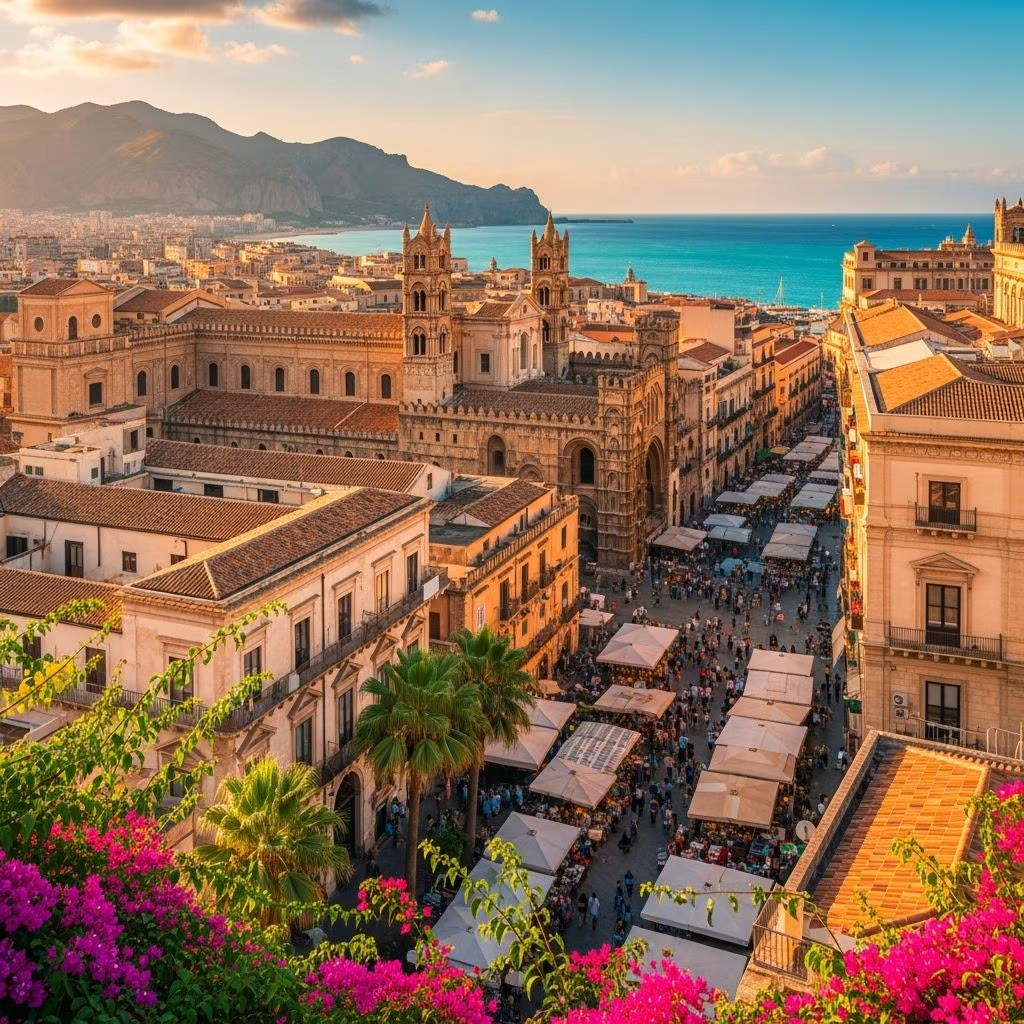
Palermo, the bustling capital of Sicily, offers a unique blend of raw energy, layered history, and sensory overload that sets it apart from mainland Italy. Nestled between the Tyrrhenian Sea and rugged mountains, this city of over a million residents pulses with Arab-Norman architecture, chaotic markets, and world-class street food. Whether you’re drawn to golden mosaics in UNESCO sites or the thrill of haggling in ancient souks, Palermo delivers an unforgettable adventure.
Why Palermo Captivates Travelers
This Mediterranean hub thrives on contrasts: gritty streets give way to ornate Baroque palaces, while the scent of fresh arancini mingles with sea breezes. Unlike polished tourist spots, Palermo feels alive and unscripted, rewarding explorers who venture beyond the main drags. Its 3,000-year history spans Phoenician roots, Arab rule, Norman conquests, and Spanish influences, creating a cultural mosaic visible in every dome and fountain.
With a population buzzing through historic districts, Palermo balances urban chaos with hidden gems. Art galleries, opera houses, and street art add layers for culture seekers, while nearby beaches and mountains offer escapes. Plan for 3-5 days to soak it in without rushing.
Navigating Palermo’s Historic Core
The city’s layout revolves around two iconic axes: Via Vittorio Emanuele (or Càssaro), a traffic-free artery stretching from Porto Felice to Porta Nuova, and Via Maqueda, intersecting at the dazzling Quattro Canti. This straight shot connects most landmarks, making it ideal for pedestrians. Stroll it end-to-end for a free introduction to Palermo’s rhythm—past vendors, churches, and lively squares.
- Quattro Canti (Piazza Vigliena): A theatrical 17th-century crossroads where four Baroque facades frame fountains symbolizing rivers, seasons, and saints. Dubbed ‘Theater of the Sun’ for its ever-illuminated panels, it’s a prime photo spot, especially during Santa Rosalia processions on July 14.
- Fontana Pretoria (Piazza della Vergogna): A Renaissance fountain with nude statues scandalizing locals historically, now a cheeky landmark en route to key sites.
Beyond these, four historic quarters—Kalsa, Albergheria, Capo, and Vucciria—branch out, each with distinct vibes from trendy to traditional.
Top Historic Landmarks to Explore
Palazzo dei Normanni and Cappella Palatina
The crown jewel, this Norman Palace—Sicily’s oldest royal residence and current parliament seat—hosts the breathtaking Cappella Palatina. Built by King Roger II in 1130, the chapel’s interior gleams with Byzantine gold mosaics depicting biblical scenes, crafted by Arab, Christian, and Byzantine artisans. A UNESCO site, it’s Palermo’s must-see, with combined tickets covering royal apartments and gardens. Book ahead in peak season to avoid lines.
Palermo Cathedral and Surrounds
Overlooking royal tombs from Norman kings to emperors, this 12th-century cathedral layers Byzantine, Gothic, and Baroque styles on ancient foundations—a mosque atop a basilica. Climb the terrace for sweeping views of domes, sea, and Mount Pellegrino. Nearby, the No Mafia Memorial in Palazzo Gulì chronicles anti-mafia struggles, adding sobering context.
Chiesa di Santa Caterina and Other Churches
Palermo boasts over 100 churches, but Santa Caterina’s rooftop terrace offers bird’s-eye vistas. Pair with St. John of the Hermits’ red-domed Arab-Norman charm or Teatro Massimo, Europe’s third-largest opera house and The Godfather Part III finale spot—tours only, 30 minutes.
Immersing in Palermo’s Legendary Markets
No visit skips the ‘big three’ markets, open Monday-Saturday, where chaos reigns amid fresh produce, seafood, and street eats. These Arab-era souks pulse with vendors shouting prices and locals bargaining fiercely.
| Market | Location | Highlights |
|---|---|---|
| Il Capo | Via Cappuccinelle | Souk-like stalls with seafood, spices, arancini; near Teatro Massimo. |
| Ballarò | Albergheria district | Colorful chaos, panelle (chickpea fritters), bustling energy. |
| Vucciria | Near Via Roma | Historic vibe, now quieter but great for sfincione (Sicilian pizza). |
Sample specialties on-site: brioche con gelato at Cappadocia on Via Vittorio Emanuele, or fried treats from carts. Markets embody Palermo’s raw authenticity—bewildering yet exhilarating.
Panoramic Vistas and Elevated Perspectives
Framed by mountains like La Pizzuta (over 4,000 ft), Palermo shines from above. Key viewpoints include:
- Sicilo Food & View 360: 360-degree rooftop dining with city-to-sea panoramas.
- Cattedrale di Palermo terrace: Historic overlook blending architecture and nature.
- Chiesa di Santa Caterina roof: Baroque splendor amid urban sprawl.
For broader escapes, hike Monte Pellegrino or boat to nearby coves.
Savoring Palermo’s Street Food and Dining Scene
Palermo’s cuisine fuses Arab, Norman, and Italian roots into street food heaven. Must-tries:
- Arancini: Rice balls stuffed with ragù, peas, or cheese—crispy perfection.
- Panelle: Chickpea flour fritters, a cheap staple.
- Sfincione: Thick, spongy pizza topped with tomatoes, onions, and breadcrumbs.
- Brioche con gelato: Ice cream-stuffed brioche for breakfast.
Dine at hole-in-the-wall spots or upscale like Osteria dei Vespri near Ballarò. Markets double as tasting tours—pair with cannoli or granite (iced drinks).
Practical Tips for Your Palermo Trip
- Getting There: Fly into Palermo Airport (PMO), 45 minutes from center by train/bus. Ferries from Naples.
- Getting Around: Walk the core; use AMAT buses or taxis for outskirts. Rent scooters cautiously amid traffic.
- Best Time: Spring (April-June) or fall (Sept-Oct) for mild weather, fewer crowds.
- Stay: Historic center (B&B hotels) or Kalsa for trendy vibes. Budget €80-150/night.
- Safety: Vibrant but watch pickpockets in markets; avoid flashy displays.
Day Trip Ideas from Palermo
Base here for Sicily adventures:
- Monreale Cathedral: 30-min bus, golden mosaics rivaling Cappella Palatina.
- Cefalù: 1-hour train, beach town with Norman duomo.
- Mondello Beach: 20-min bus, glamorous sands and seafood.
Frequently Asked Questions (FAQs)
How many days do I need in Palermo?
Three days covers essentials; five allows markets, day trips, and relaxation.
Is Palermo safe for tourists?
Generally yes, but stay alert in crowded markets. Stick to well-lit areas at night.
What should I not miss eating?
Arancini, panelle, and sfincione from street vendors for authentic flavors.
Can I visit Palermo without a car?
Absolutely—walking and public transport suffice for the city; trains for day trips.
Are there guided tours worth booking?
Yes, for Palazzo dei Normanni, Teatro Massimo, and street food walks.
References
- Palermo – Visit Sicily — Visit Sicily Official Site. 2023. https://www.visitsicily.info/en/localita/palermo/
- Guide to Palermo, Sicily — The Thinking Traveller. 2024. https://www.thethinkingtraveller.com/italy/sicily/towns-and-cities-in-sicily/palermo
- Palermo City Guide: 17 Brilliant Things to Do — Jamie Chance Travels. 2023. https://jamiechancetravels.com/blog/things-to-do-in-palermo/
- A Local’s Guide to Palermo, Sicily — Go Ask A Local. 2024. https://goaskalocal.com/blog/travel-guide-to-palermo-sicily
- Palermo, Italy: All You Must Know — TripAdvisor. 2026. https://www.tripadvisor.com/Tourism-g187890-Palermo_Province_of_Palermo_Sicily-Vacations.html
On This Page
Why Palermo Captivates Travelers Navigating Palermo's Historic Core Top Historic Landmarks to Explore Immersing in Palermo's Legendary Markets Panoramic Vistas and Elevated Perspectives Savoring Palermo's Street Food and Dining Scene Practical Tips for Your Palermo Trip Day Trip Ideas from Palermo Frequently Asked Questions (FAQs)← Previous
Manatee Springs State Park Guide: Manatees, Trails & Diving
Next →
Belize for Multigenerational Family Trips: Best Activities, Stays & Tips
Related Reading
More in Food & Culture
Food & Culture Food & Culture
 Food & Culture
Best Places to Eat in Rome: Neighborhood Dining Guide
 Food & Culture
 Food & Culture