

 Travel Essentials
 Travel Essentials

Complete guide to Palm Springs featuring architectural landmarks, outdoor adventures, cultural attractions, and insider tips for first-time visitors to this iconic desert destination.
 Travel Essentials
Nestled in the heart of the Coachella Valley, Palm Springs stands as one of Southern California’s most captivating destinations, drawing visitors seeking a harmonious blend of relaxation, cultural enrichment, and natural exploration. This desert oasis has evolved into a premier travel destination that caters to diverse interests, from architecture enthusiasts to outdoor adventurers and cultural seekers. Whether you’re planning your inaugural visit or returning for another taste of desert magic, understanding what this remarkable city offers is essential for crafting an unforgettable experience.
Palm Springs operates within a broader regional context known as Greater Palm Springs, which encompasses nine distinct municipalities including Desert Hot Springs, Cathedral City, Rancho Mirage, Palm Desert, Indian Wells, La Quinta, Indio, and Coachella. This geographic diversity means that visitors have access to varied experiences across multiple locations, each contributing unique character and attractions to the overall regional experience. The region’s distinctive geography features four impressive mountain ranges that frame the landscape, creating dramatic vistas and diverse terrain for exploration.
The elevation changes across the region create varied climates and ecosystems. The Palm Springs Aerial Tramway demonstrates this dramatically, ascending from the desert floor to 8,516 feet in elevation within just 10 minutes, resulting in temperature drops of approximately 40 degrees Fahrenheit. This natural phenomenon makes the region particularly appealing for visitors seeking climate diversity without extensive travel time.
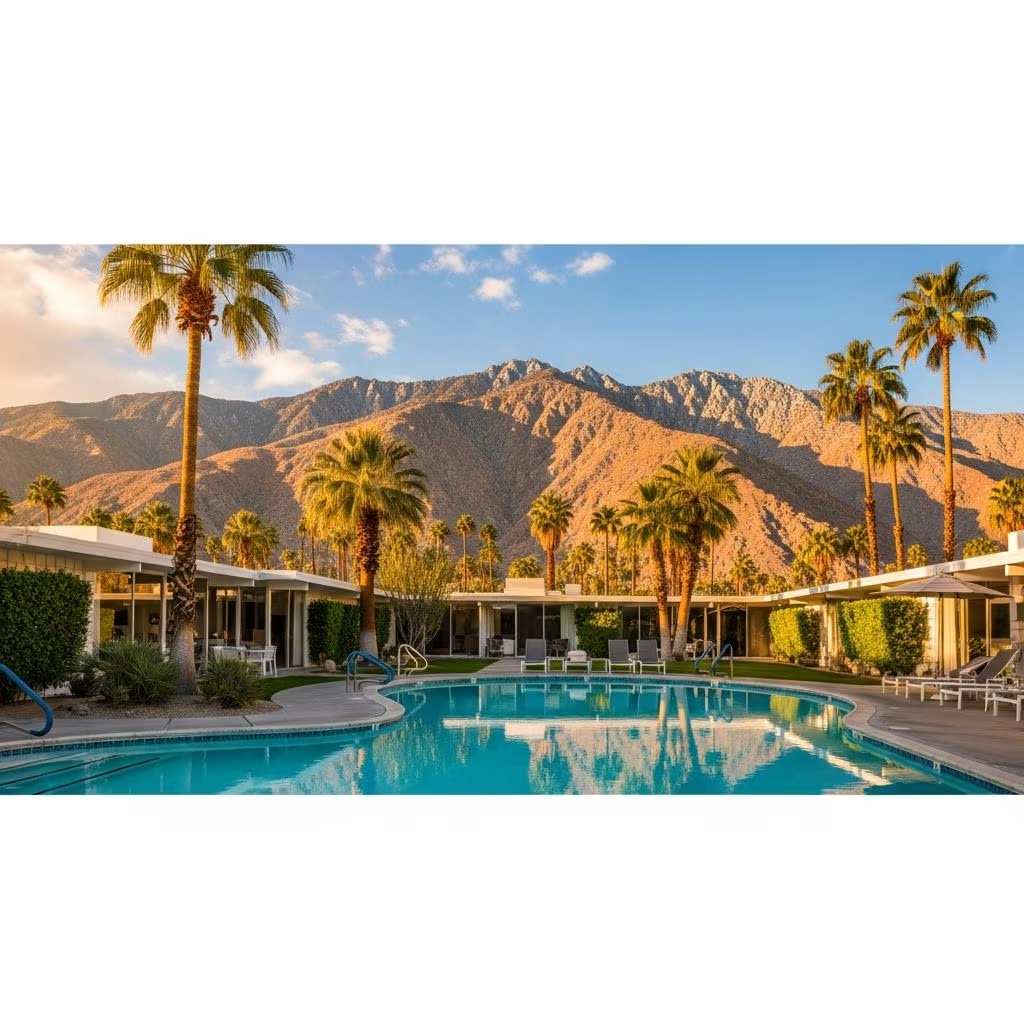
Palm Springs has earned recognition as a global center for mid-century modern architecture, a distinction that shapes the city’s identity and attracts design-conscious travelers worldwide. The architectural landscape reflects decades of innovation in residential and commercial design, with distinctive structures representing a pivotal era in American design history. The city’s commitment to preserving and celebrating this heritage manifests through various cultural institutions and events dedicated to architectural appreciation.
The Architecture and Design Center of the Palm Springs Art Museum serves as the primary institution for architectural education and appreciation. Located in downtown Palm Springs, the museum’s main facility houses nearly 30 galleries displaying works spanning from centuries-old Native American pieces to contemporary art installations. This comprehensive collection provides visitors with both historical context and contemporary artistic perspectives.
For visitors with specific architectural interests, Modernism Week presents an exceptional opportunity. Occurring in late February, this annual event features extensive programming including educational lectures and exclusive access to historically significant residences that are typically private. Biking tours have emerged as a popular method for exploring architectural neighborhoods, offering visitors a faster, more personalized perspective than traditional bus or walking tours.
The city has developed an informal tradition around its distinctive residential doors. Throughout neighborhoods like Indian Canyon, residents have painted their home entrances in vibrant, non-traditional colors, creating an informal self-guided tour opportunity. Self-guided door tours allow visitors to discover these colorful architectural details while exploring residential areas, and some tour operators have formalized this experience into organized excursions.
Beyond its urban attractions, Palm Springs offers remarkable access to desert ecosystems and outdoor experiences. The Indian Canyons represent perhaps the most significant natural asset, providing visitors with authentic desert oasis environments that showcase how the landscape appeared before modern development. These canyons, part of the ancestral lands of the Agua Caliente Band of Cahuilla Indians, feature trails dotted with flowing streams and genuine desert oases. The preserved natural environment allows visitors to experience diverse desert flora including cacti, mesquite, creosote, and seasonal wildflowers. The wildlife experience may include sightings of bighorn sheep, which inhabit the region and typically remain calm when visitors maintain respectful distances.
Tahquitz Canyon presents another compelling hiking destination, particularly renowned for a midway waterfall that provides both visual appeal and a refreshing break during trail exploration. Several factors should inform planning for this destination: entry requires payment, and all hikers must carry water or purchase bottled water provided on-site, as the park maintains this requirement for visitor safety.
For visitors preferring free access to municipal trail systems, Palm Springs maintains numerous trails accessible without entry fees, accommodating various fitness levels and time constraints. The Palm Springs Aerial Tramway extends outdoor recreation opportunities beyond ground-level hiking, offering summit access to multiple restaurants, a gift shop, theatre facilities, and additional hiking options at elevation.
Palm Springs supports a robust cultural environment extending beyond architecture. The Palm Springs Art Museum operates comprehensive programming including speaker series, film presentations, and rotating exhibitions addressing diverse artistic traditions and contemporary works. The Agua Caliente Cultural Museum, recently renovated, provides comprehensive yet accessible presentations of Native American peoples inhabiting the Coachella Valley, offering essential historical context for understanding the region’s indigenous heritage.
The Air Museum appeals to visitors with aviation interests, providing close encounters with aircraft ranging from small general aviation planes to military fighter jets, offering a unique perspective on aviation history and engineering. Temporary installations and special events further enrich the cultural landscape. Desert X, a biennial exhibition of provocative installation art distributed across the valley, returns periodically to create immersive artistic experiences across the broader landscape.
Major events anchor the cultural calendar throughout the year. Coachella, occurring in late April, represents one of the nation’s most prominent music festivals, requiring advance planning and reservations due to extremely high demand. Stagecoach Country Music Festival, also in April, attracts country music enthusiasts, while the International Tamale Festival in December celebrates regional culinary traditions.
Downtown Palm Springs centers around Palm Canyon Drive, the primary commercial and social hub featuring concentrated restaurant options, retail establishments, and the famous Walk of Stars. This walkable thoroughfare allows visitors to move seamlessly between dining, shopping, and cultural venues, creating an accessible urban experience suited for pedestrian exploration.
Shopping enthusiasts should venture to El Paseo Drive, which offers a distinctly different retail environment from mainstream commercial centers. This district features boutique retailers, antique dealers, high-end furniture showrooms, and specialty shops catering to visitors seeking distinctive, curated merchandise rather than mass-market offerings.
The Street Fair Night Market operates Thursday evenings, providing a vibrant, social shopping and dining environment distinct from traditional retail spaces. Weekend activities complement evening options, with various art galleries, vintage shops, and independent retailers creating a diverse shopping landscape.
Palm Springs’ central location within Southern California enables numerous worthwhile day excursions. Old Town La Quinta, positioned approximately 20 minutes from Palm Springs, offers charming commercial districts and cultural experiences. The region accommodates diverse interests through various day trip options:
| Destination | Approximate Distance | Primary Appeal |
|---|---|---|
| Salvation Mountain | Regional | Colorful art installation and spiritual site |
| Slab City | Regional | Artist community and alternative culture |
| Salton Sea Beach | Regional | Unique beach ecosystem and photography |
| Bombay Beach | Regional | Abandoned town exploration and landscapes |
| Joshua Tree National Park | Regional | Desert wilderness and unique vegetation |
| Cabazon Dinosaurs | 20 minutes | Route 66 roadside attractions and outlet shopping |
Adventure seekers may opt for hot air balloon rides available in nearby Temecula, offering spectacular aerial perspectives of desert landscapes. Red Jeep tours exploring the San Andreas Fault provide geological education combined with scenic vehicle exploration, while waterslide parks offer family-friendly cooling relief during hot months.
Transportation planning influences the Palm Springs experience substantially. While downtown areas offer walkability and some bicycle accessibility, securing a rental vehicle proves advantageous for dining exploration outside downtown, accessing natural attractions, and implementing day-trip plans without time constraints imposed by public transportation limitations.
Climate awareness represents essential planning information. Desert summers involve extreme heat that justifies the poolside relaxation culture characterizing Palm Springs tourism. Pool time functions not merely as recreation but as practical climate management, making resort amenities with quality pools valuable considerations in accommodation selection. Winter months present more moderate temperatures, though evening cooling may warrant bringing additional layers, particularly if visiting higher elevations like the Aerial Tramway summit.
Palm Springs welcomes diverse visitor populations and operates as a notably inclusive destination. The city maintains extensive LGBT-friendly accommodations, venues, and services, contributing to its reputation as a welcoming community for all visitors.
Lodging decisions significantly shape the Palm Springs experience. Boutique properties featuring distinctive design focus characterize Palm Springs’ premium accommodation market, with many establishments emphasizing architectural authenticity and design-forward amenities. The concentrated pool culture, distinctive room aesthetics, and curated service approaches differentiate resort experiences from conventional hotel stays.
Accommodation location influences daily activities substantially. Staying downtown provides walkable access to shopping, dining, and cultural venues, while properties in surrounding neighborhoods or mountain areas offer different perspectives on the region’s geography and may provide closer access to natural attractions or quieter environments depending on visitor preferences.
The regional food scene encompasses diverse culinary traditions reflecting California’s agricultural richness and multicultural influences. Palm Canyon Drive concentrates restaurant options suitable for casual exploration, while scattered dining establishments throughout the region offer varied cuisines and price points. Local agricultural traditions remain evident in regional specialties, particularly the date industry that established historical significance in the region. Visitor experiences can include date farm visits offering agricultural education and the opportunity to taste date shakes, a regional specialty beverage.
Effective trip planning balances structured activities with unscheduled relaxation time. A logical sequence might begin with downtown exploration of Palm Canyon Drive to establish geographic orientation and access immediate shopping and dining options. Subsequent days can incorporate specific interests—architectural tours, natural area exploration, museum visits, and day excursions—interspersed with resort pool time and leisurely meals.
Weather and season influence activity planning substantially. Summer visits prioritize indoor cultural venues and elevated areas accessed via the Aerial Tramway, while cooler months facilitate extended outdoor exploration. Event calendars should inform planning for visitors interested in specific festivals or cultural programming.
