

 Travel Essentials
 Travel Essentials

Discover key insights for traveling to Panama: explore the iconic canal, pristine beaches, vibrant culture, and practical advice on costs, safety, and hidden gems.
 Travel Essentials
Panama bridges two oceans and two continents, offering a compact yet diverse destination packed with urban excitement, natural wonders, and cultural depth. From the engineering marvel of the Panama Canal to the laid-back vibes of Caribbean islands, this guide equips you with practical knowledge for a smooth trip.
Straddling Central America’s southern edge, Panama blends modern infrastructure with pristine wilderness. Direct flights from major U.S. hubs like Miami make it accessible, often under three hours. The country uses the U.S. dollar, simplifying finances for North American visitors. Beyond the famous canal, expect biodiversity hotspots, indigenous communities, and UNESCO-recognized sites in one itinerary.
Panama’s appeal lies in its variety: hike rainforests near the capital, surf Pacific waves, or snorkel in archipelagos. It’s ideal for multi-destination trips without long drives, thanks to efficient domestic flights and buses.
The Panama Canal stands as a testament to human ingenuity, connecting the Atlantic and Pacific since 1914. Spanning 80 kilometers, it handles 13,000–14,000 ships annually via locks that lift vessels 27 meters. Construction claimed over 5,000 lives amid challenging jungle conditions.
Visit the Miraflores Locks near Panama City for the best views—watch massive ships navigate from an observation deck. Entry costs $20 USD, including exhibits on its history. For a deeper dive, book a boat tour through the locks or explore the visitor center’s interactive displays.
| Lock Location | Best Viewing Time | Admission |
|---|---|---|
| Miraflores | Daylight hours, peak ship traffic mornings | $20 USD |
| Gatun | Combined with jungle excursions | Varies by tour |
| Pedro Miguel | Less crowded alternative | Included in passes |
Panama City’s skyline rivals global metropolises, yet it harbors a tropical rainforest within city limits—the Parque Natural Metropolitano. This 232-hectare park hosts toucans, sloths, and trails comparable to Costa Rica’s reserves.
Key neighborhoods include:
The capital boasts two UNESCO World Heritage sites and is the world’s only metropolis named a UNESCO Creative City of Gastronomy, thanks to its seafood markets and fusion cuisine.
Panama’s shores deliver world-class relaxation and adventure. Bocas del Toro, a 45-minute flight from the capital, features Caribbean beaches, mangroves, and indigenous Ngäbe-Buglé culture. Surf, snorkel, or island-hop via water taxis to spots like Isla Bastimentos for seclusion.
On the Pacific, Pedasí shines as folklore central, home to the pollera dress and sombrero pintao—UNESCO Intangible Heritage. Nearby, Playa Venao draws surfers with consistent waves, yoga retreats, and eco-lodges. Cambutal offers bohemian vibes and turtle nesting at Isla Cañas.
Escape the heat in Boquete, Chiriquí Province’s cool coffee haven. Hike Volcán Barú for sunrise views over two oceans, or tour organic farms. The area rivals Costa Rica for zip-lining and hot springs, with fewer crowds.
Indigenous connections abound—visit Guna Yala (San Blas Islands) for autonomous communities and bioluminescent bays, accessible by prop plane or sail.
Panama suits budget travelers: daily costs average $50–100 USD, covering hostels ($15–30), street food ($5–10), and buses ($20–50 intercity).
| Expense | Budget | Mid-Range |
|---|---|---|
| Accommodation | $15–30/night | $50–100/night |
| Meals | $5–15/day | $20–40/day |
| Transport | $20–50/trip | $100+/flight |
| Attractions | $10–20/entry | $50+/tours |
Domestic flights via Copa Airlines connect key spots efficiently. Buses are reliable; book via MetroBus or apps. Use Uber/Taxi apps in cities.
Engage with seven indigenous groups, from Emberá crafts to Guna molas. Panama City pulses with Afro-Caribbean and Spanish influences—try sancocho stew or ceviche at markets.
Respect norms: Dress modestly in rural areas, ask permission for photos of locals, and tip 10% in restaurants. Spanish dominates; basic phrases help outside tourist zones.
The U.S. State Department advises increased caution due to crime in urban areas and potential unrest. Stick to tourist zones, avoid flashing valuables, and use registered taxis.
Travel insurance covering evacuations is wise, given remote areas.
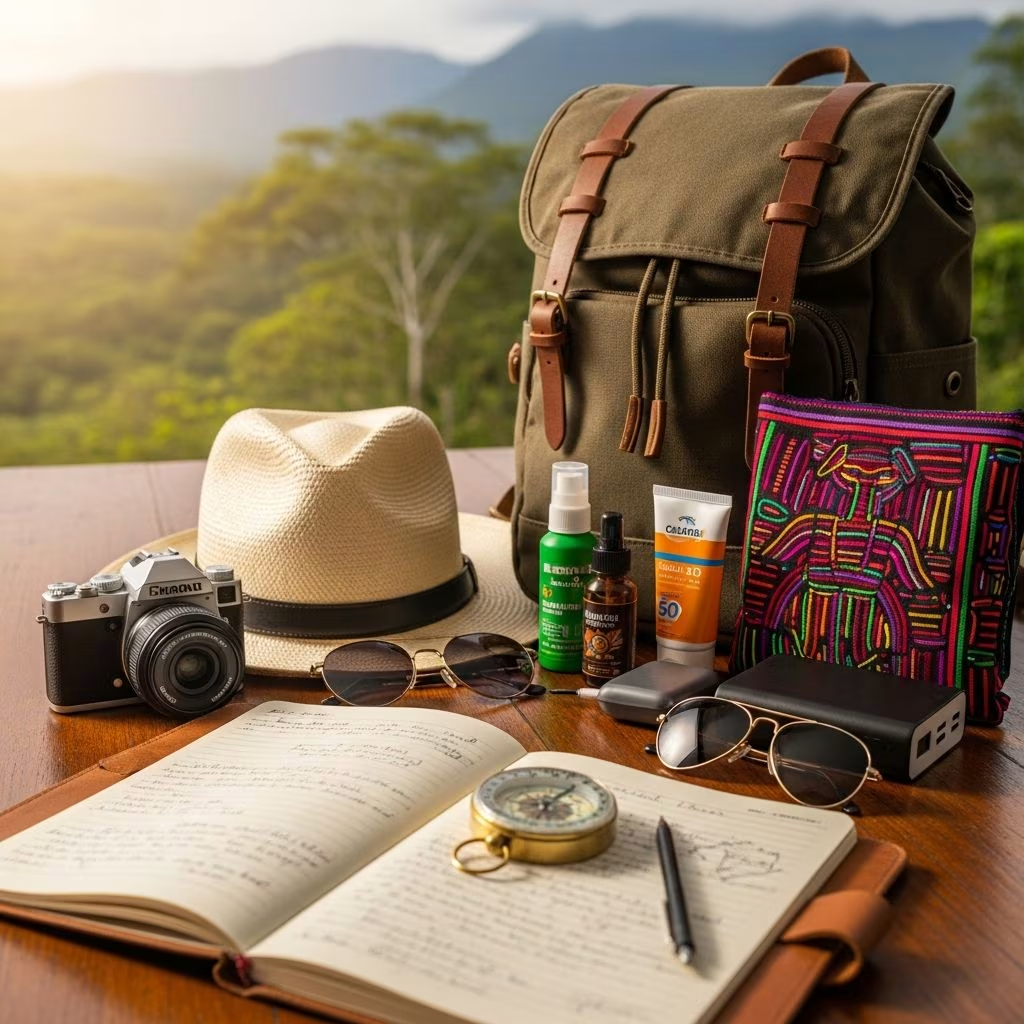
Tropical year-round: pack light layers, rain gear (May–November wet season), reef-safe sunscreen, bug spray, and sturdy shoes for hikes. Quick-dry clothes suit humidity; adapters unnecessary (U.S. plugs).
Support eco-lodges, avoid single-use plastics, and choose operators minimizing wildlife disturbance. Parks like Metropolitan emphasize conservation—leave no trace.
Yes, with precautions—stick to well-lit areas, join group tours in remote spots.
Dry season (December–April) for beaches; May–November for fewer crowds, lush greenery.
Buses and shared taxis (colectivos) are cheapest; flights for time-saving.
U.S. citizens get 180 days visa-free; check passport validity.
U.S. dollar (USD); no exchange needed.
Beyond mainstream: Darién Gap for birding (experts only), Contadora Island for quiet beaches, or El Valle de Antón crater village for hiking.
Panama rewards the curious with authentic experiences—plan flexibly for spontaneous discoveries.
