

 Travel Essentials
 Travel Essentials

Comprehensive guide to hiking the Paparoa Track Great Walk: itineraries, preparation tips, terrain details, and essential advice for a successful adventure in Paparoa National Park.
 Travel Essentials
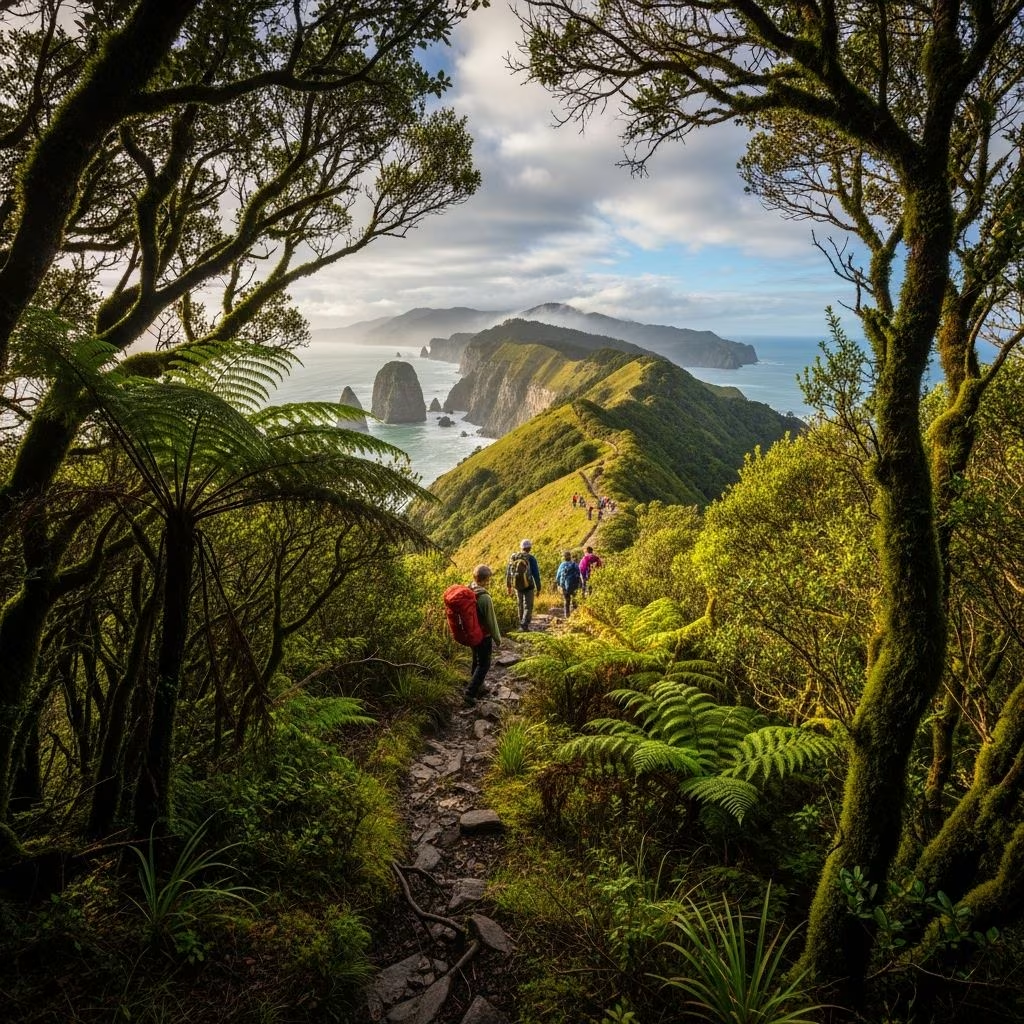
The Paparoa Track stands as one of New Zealand’s premier multi-day hikes, weaving through the dramatic landscapes of Paparoa National Park on the South Island’s West Coast. Spanning approximately 55 kilometers, this trail combines steep ascents, ridge-top vistas, lush forests, and river gorges, making it a rewarding challenge for experienced trekkers.
Opened in 2019 as New Zealand’s 10th Great Walk, the Paparoa Track honors the Pike River mining disaster victims while showcasing the region’s raw beauty. Unlike traditional hikes, it’s designed for both hikers and mountain bikers, resulting in smoother gradients and well-maintained paths. Expect diverse ecosystems: from nikau palm groves and beech forests to exposed escarpments overlooking the Tasman Sea. The track’s year-round accessibility suits various fitness levels, though summer months offer the best weather.
Most hikers complete the track in 2-4 days, depending on pace and stops. The standard direction runs from Smoke-ho car park near Blackball to Punakaiki, gaining about 1900 meters in elevation overall. Day one features the steepest climb, while subsequent days involve undulating ridges and descents.
| Day | Route | Distance | Elevation Gain | Time Estimate |
|---|---|---|---|---|
| 1 | Smoke-ho to Ces Clark or Moonlight Tops Hut | 10-20 km | 762-800 m | 4-8 hours |
| 2 | Moonlight Tops to Pororari Hut | 15-20 km | Moderate | 5-7 hours |
| 3 | Pororari Hut to Punakaiki | 10-15 km | Downhill | 3-5 hours |
| Optional 4 | Split Day 1 for easier pace | Varies | Varies | Relaxed |
For a 4-day itinerary, stop at Ces Clark Hut on day one to ease the initial ascent. Stronger groups push to Moonlight Tops for shorter final days. Bikers often finish in 1-2 days via separate endpoints.
West Coast weather shifts rapidly, demanding versatile clothing. Prioritize layers for rain, wind, and cold nights. Huts provide bunks, mattresses, and water tanks, but carry cooking gear.
Total pack weight should stay under 15kg for comfort. Test gear beforehand.
Begin at Smoke-ho, crossing swingbridges over Blackball Creek amid moss-draped rainforests. The gradual 762m climb leads to Ces Clark Hut, with optional extension to Moonlight Tops. Views of Lake Brunner and distant mountains reward the effort.
Traverse open tops with sweeping coastal panoramas, passing a midpoint shelter. Descend via switchbacks through beech forests, crossing streams and spotting kaka parrots, to Pororari Hut.
Follow the Pororari River on swaying suspension bridges past limestone cliffs and nikau stands. The track splits near the end—hikers veer to Punakaiki car park.
Huts (Ces Clark, Moonlight Tops, Pororari) and campsites require advance bookings via the Department of Conservation (DOC) website, especially November-April. Fees are around NZ$40-60 per adult/night for huts. Shared facilities include toilets, water (boil or treat), and cooking benches. No dogs or fires permitted.
Summer (December-February) brings milder conditions but crowds and sandflies. Shoulder seasons (spring/autumn) offer solitude and vibrant flora, though rain is common. Winter suits fit hikers seeking snow-capped ridges. Check forecasts daily; hyperlapse weather changes demand rain gear.
Paparoa teems with native species: tui birdsongs, kaka screeches, weka scavenging, and rare snails in damp forests. Respect ‘Leave No Trace’—pack out rubbish, stay on trails to protect fragile ecosystems.
The track earns a ‘demanding’ rating due to rocky terrain, exposure, and river crossings. Key risks: sudden weather, slips on wet rocks, altitude exposure. Carry a PLB, inform others of plans, and avoid solo travel. DOC recommends fitness for 8-hour days.
For novices, guided tours from operators like Paparoa Guided Walks provide meals, gear transport, and expertise over 3-4 days. Solo trekkers can shuttle via services in Blackball or Punakaiki. Side trips include Cave Creek Memorial Track.
Drive to Smoke-ho (from Greymouth) or arrange shuttles. Post-hike, Punakaiki offers Pancake Rocks. Public buses connect to major hubs.
No, its length and elevation suit intermediate hikers with multi-day experience.
Yes, but expect ice and fewer services; check DOC alerts.
Yes, via DOC; peak season fills fast.
Bikers use parallel sections with different endpoints for faster travel.
Hut bookings act as permits; no extra fees.
The Paparoa Track delivers an unforgettable blend of challenge and splendor. With meticulous preparation, it transforms into a pinnacle of New Zealand tramping.
