

 Travel Essentials
 Travel Essentials

Discover real Parasite filming spots in Seoul, from steep alleyways to neighborhood shops, and plan a self-guided tour of the film’s key locations.
 Travel Essentials
Bong Joon-ho’s Parasite (2019) captivated global audiences with its sharp critique of class disparity, told through stunning visuals of Seoul’s contrasting neighborhoods. While much of the film used studio sets and digital effects, several real locations in the city stand out as pivotal settings. These spots offer fans a chance to walk in the footsteps of the Kim and Park families, blending cinematic history with urban exploration. This guide details key sites, their significance, practical visiting info, and cultural context, perfect for a DIY tour.
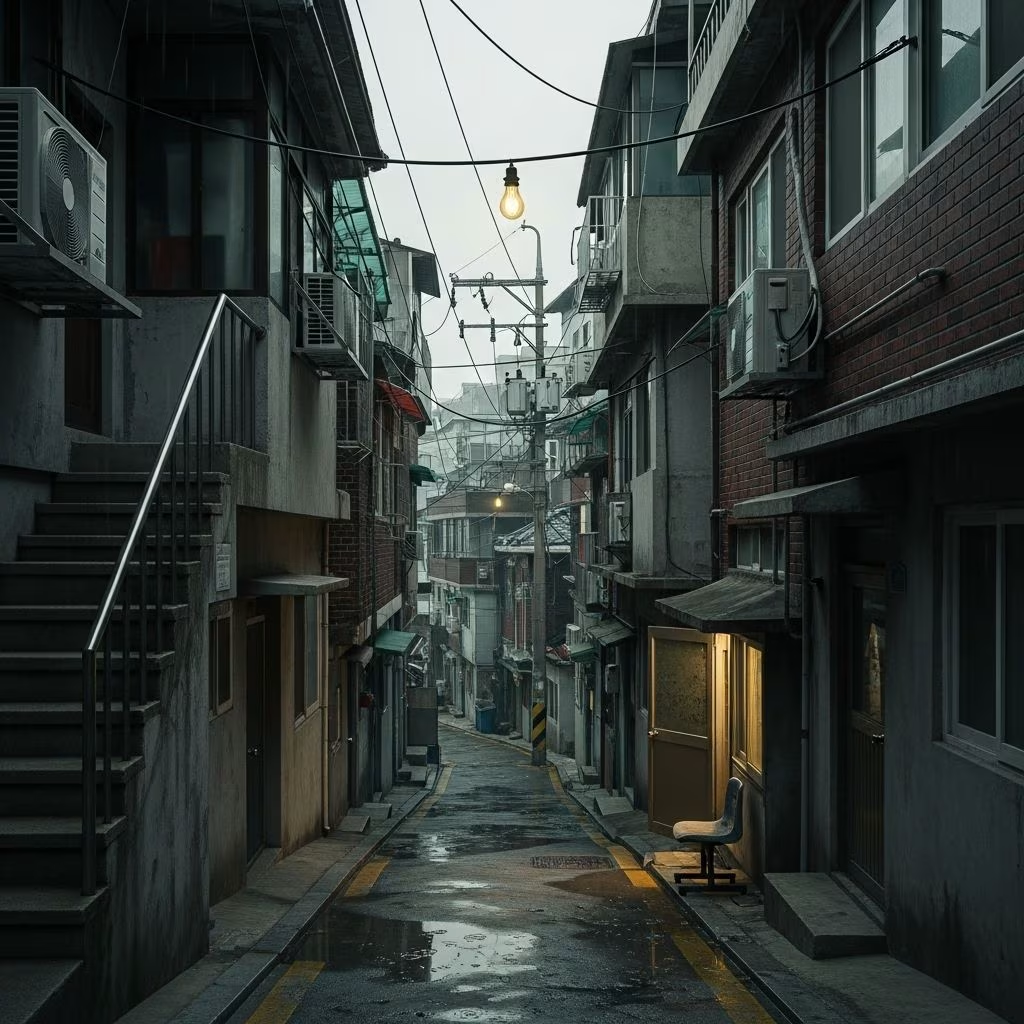
Seoul’s filming sites highlight the city’s dual nature: cramped alleys for the struggling Kims versus spacious, modern enclaves for the affluent Parks. Shot primarily in 2018, these locations were chosen for their authenticity in portraying Korea’s socioeconomic divides. Visiting them reveals how everyday urban spaces fueled the film’s tension. Expect steep hills, narrow paths, and bustling streets—wear comfortable shoes and check weather apps, as rain scenes were iconic for a reason.
Start in central Jongno-gu and weave through Mapo-gu and beyond. Total walking: 5-7 km over 4-6 hours, plus subway hops. Use Naver Maps or KakaoMap for navigation, as Google Maps can be less precise here.
The tunnel marks the Kims’ arduous commute, symbolizing their uphill battle. This dimly lit underpass in Jongno-gu captures the film’s rainy night return, drenched and defeated. Adjacent stairs amplify the physical and metaphorical climb of poverty.
Historically, this area near Blue House (presidential residence) features hanok villages and modern mixes, mirroring Seoul’s evolution.
Here, Ki-taek nurses soju outside ‘Our Supermarket,’ learning of the tutoring gig that sparks the plot. This unpretentious corner store in Mapo-gu embodies working-class resilience amid gentrification.
The spot reflects Mapo-gu’s transformation from industrial to trendy, with craft beer bars sprouting nearby.
These precipitous steps in Mapo-gu represent the Kims’ semi-basement home trek, emphasizing spatial inequality. Narrow lanes add claustrophobia, contrasting the Parks’ openness.
| Scene Comparison | Movie Depiction | Real-Life Now |
|---|---|---|
| Stairs Ascent | Flooded, desperate climb | Dry, residential; occasional repairs |
| Alleys | Shadowy, secretive | Lively with kids, pets |
The chaotic pizza delivery scene unfolds here, with Ki-jung folding boxes amid neon glow. This Dongjak-gu eatery showcases gig economy pressures.
Ki-woo’s interview walk through upscale Seongbuk-gu hints at the invisible Park mansion (filmed in Jeonju studios). Gated homes and gardens evoke wealth’s seclusion.
Additional rain and stair scenes in Yongsan and Jongno districts add layers. Huam-dong’s Dodak Bridge (near 401-4 Huam-dong) and Changsin’s winding paths (38 Jibong-ro 11-gil) complete the poverty motif.
Combine sites into a full-day loop: Jahamun (morning), Mapo-gu cluster (lunch), Seongbuk (afternoon), pizza detour (evening). Budget: 10,000-20,000 KRW (transport, snacks). Apps: 1330 Korea Helpline (+82-2-1330). Organized tours exist via TripAdvisor, led by film students.
| Location | Travel Time from Center | Difficulty |
|---|---|---|
| Jahamun Tunnel | 20 min | Moderate (hills) |
| Woori Super | 25 min | Easy |
| Bukahyeon Stairs | 25 min | Steep |
| Sky Pizza | 30 min | Easy |
Director Bong scouted Seoul for ‘banjiha’ basements—real flood-prone semis banned post-2022 but iconic in film. Parks’ house blended Jeonju sets with CGI. Locations underscore themes: verticality for class ladders, rain for downfall. Post-Oscars, sites saw pilgrimages, aiding local economies.
No, it was a Jeonju studio set with CGI—no real exterior exists.
Yes, like film student-led walks starting at Hansung Univ. Station.
Yes, all public streets—no entry fees.
Fall or spring; avoid monsoon (July-Aug) echoing film’s floods.
Challenging due to stairs/hills; fitness level medium required.
These sites transformed quiet corners into global draws, spotlighting Korea’s film wave (Hallyu). They invite reflection on inequality amid Seoul’s boom—home to 10 million, with skyscrapers overshadowing banjiha. Future visitors: expect plaques or apps soon. Dive in, and let the city’s pulse retell the tale.
