

 Travel Essentials
 Travel Essentials

Plan your winter getaway to Paris with insider tips on weather, attractions, budget savings, and seasonal activities that make the cold months unforgettable.
 Travel Essentials
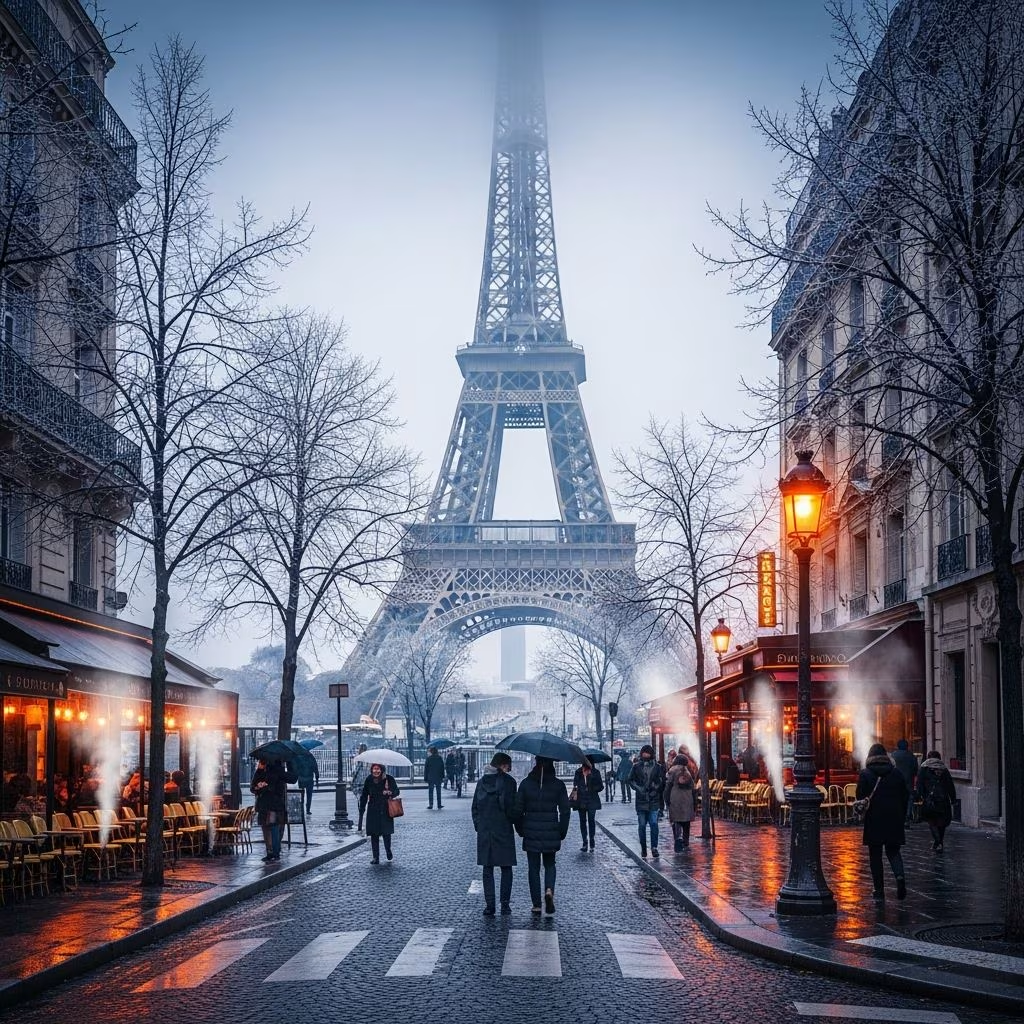
Paris transforms into a serene, enchanting destination when winter arrives. Unlike the bustling summer months filled with tour groups and long queues, the colder season invites travelers to experience the city with greater authenticity and tranquility. From early December through February, visitors discover a Paris that feels more intimate and accessible, paired with festive charm and cultural richness that makes the season truly special.
Winter weather in Paris requires thoughtful preparation, but the conditions are generally manageable for most travelers. The temperature typically ranges from a high of approximately 45 degrees Fahrenheit (8 degrees Celsius) to a low around 37 degrees Fahrenheit (3 degrees Celsius). While these figures may sound intimidating to those accustomed to milder climates, layered clothing and quality winter accessories make the cold entirely bearable.
Precipitation during winter months varies throughout the season. December tends to be the wettest period, receiving around 46mm of rainfall, while January and February remain relatively drier. Snowfall in Paris is rare despite the low temperatures; the city experiences occasional snow but certainly not a winter wonderland atmosphere consistently. Daylight hours contract significantly during December and January, with February offering marginally more sunlight, reaching approximately 10 hours and 16 minutes of daylight.
The key to comfortable winter exploration involves strategic dressing. A quality wool coat forms the foundation, supplemented by scarves, gloves, warm hats, and waterproof boots. This approach allows visitors to transition comfortably between cold outdoor streets and heated indoor museums, restaurants, and shops without excessive discomfort.
Perhaps the most compelling reason to visit Paris during winter is the dramatic reduction in tourist congestion. January and February, excluding New Year’s and Valentine’s Day, represent the quietest periods for tourism in the city. While Paris never truly becomes uncrowded—the Louvre maintains steady visitor numbers year-round—winter visitors can avoid the exhausting queues that plague summer months.
This reduction in crowds fundamentally changes the visitor experience. Museums become more manageable for contemplation rather than mere rushing through galleries. Walking neighborhoods like the Marais or Saint-Germain-des-Prés feels less like navigating a crowded marketplace and more like genuine neighborhood exploration. Local cafés and restaurants serve their regular clientele alongside tourists, creating a more authentic dining atmosphere.
The quieter season also encourages wandering and spontaneous discoveries that heavily trafficked periods preclude. A visitor might stumble upon a neighborhood gallery, a charming bookshop, or a neighborhood bistro without feeling rushed by masses of other tourists competing for the same experience.
Winter travel to Paris offers significant financial advantages for budget-conscious explorers. Accommodation prices decrease substantially during the colder months, with hotels offering rates substantially lower than peak season pricing. Flight tickets similarly reflect winter demand patterns, creating opportunities for meaningful savings on transportation costs.
These budget savings apply across the travel experience. Restaurants may offer winter specials, attractions sometimes reduce prices during off-season periods, and tour operators frequently provide discounted rates. For travelers planning extended stays or visiting on limited budgets, winter represents an optimal time to experience Paris without financial strain.
The reduced expense allows visitors to allocate resources toward experiences—dining at restaurants they might otherwise skip, taking private guided tours, or extending their stay by several days. This financial flexibility enhances the overall journey and permits deeper engagement with the city.
Winter transforms Paris’s world-class museums into refuges from inclement weather while offering unparalleled cultural immersion. The Louvre, Musée d’Orsay, and Musée Picasso remain open throughout winter, providing extensive collections to explore during long indoor hours. Contemporary art enthusiasts discover the Louis Vuitton Foundation, while Impressionist devotees find the Musée Marmottan houses the world’s largest collection of Claude Monet paintings.
The Carnavalet Museum, situated in the heart of the Marais neighborhood, offers free access to its permanent collection, making it an economical choice for those exploring Parisian history. The Palais Garnier opera house welcomes visitors to explore its exquisite interior through self-guided or led tours, regardless of whether guests attend performances.
Beyond traditional museums, covered passages throughout the city provide shopping and dining within climate-controlled environments. These historic galleries, decorated with holiday garland and lights during November and December, offer boutique shops and dining establishments protected from cold and rain. This infrastructure-based advantage allows extensive urban exploration even during unfavorable weather conditions.
Winter in Paris coincides with profound festive celebrations that transform the cityscape. From late November through mid-January, holiday lights adorn buildings, monuments, and thoroughfares throughout the metropolis. The Champs-Élysées becomes particularly spectacular, beaming with thousands of lights on trees lining the famous boulevard. The city deploys approximately 1,000 fresh-cut fir trees for decoration, with 300 surrounding the Rond-Point traffic circle alone.
Christmas markets, known locally as Les Marchés du Noël, operate throughout the winter season. The most prominent markets occupy the Tuileries Gardens and Saint-Germain areas, where visitors purchase holiday gifts, sample festive foods, and experience mulled wine. Many passages receive decorative treatment during this period, enhancing their already charming atmosphere.
New Year’s Eve brings spectacular fireworks around the Eiffel Tower at midnight on December 31st, drawing both locals and visitors for celebratory gathering. For those preferring intimate musical experiences, concerts like the Sankta Lucia performance at Notre-Dame Cathedral provide profound cultural and spiritual significance.
Despite cold temperatures, outdoor activities remain viable and enjoyable during winter months. Bateaux Mouches Seine river cruises operate year-round, offering views of illuminated monuments and city lights. Booking these experiences approximately one hour before sunset enables visitors to experience the city bathed in dusk’s glow, followed by the Eiffel Tower’s sparkling evening illumination.
Walking tours operate during winter, though duration and route selection should account for cold temperatures. Private guide-led museum tours provide alternatives for those seeking learning experiences without extended outdoor exposure. The Sacré-Cœur basilica remains accessible, though climbing 300 interior steps to the dome may prove less appealing during particularly cold conditions; exploring the basilica’s interior provides architectural appreciation regardless.
Day trips remain feasible during winter. Mont Saint-Michel in Normandy welcomes visitors, with direct train service from Paris-Montparnasse to Pontorson Mont-Saint-Michel operating on weekends during colder months. While some D-Day beaches tours pause operations seasonally, Mont Saint-Michel’s iconic island remains accessible and spectacular in winter light.
Paris’s food culture takes on particular significance during winter, with cozy cafés and bistros offering respite from cold weather combined with gastronomic pleasure. Café de Flore in Saint-Germain-des-Prés provides the quintessential Parisian café experience, serving breakfast and beverages in a historic setting.
Walking food tours operating through various neighborhoods, including the Marais, showcase diverse culinary traditions. These guided experiences introduce visitors to French cheeses, chocolates, Moroccan crêpes, fresh baguettes, and neighborhood specialties while providing warmth through movement and engagement. Market tours, such as those through Aligre Market, offer tastings of pastries, coffee, meats, cheeses, fruits, and desserts in an atmosphere favoring local participation over tourist crowds.
Successful winter travel to Paris begins with appropriate preparation. Essential items include warm wool outerwear, waterproof boots, comfortable walking shoes for indoor exploration, and layered clothing enabling temperature adjustment. Travel umbrellas protect against rain, while crossbody bags provide secure, convenient carrying options during urban exploration.
Checking weather forecasts for specific travel dates enables precise packing adjustments, as individual winters vary considerably in severity and precipitation patterns. While average temperatures provide guidance, actual conditions may prove warmer or notably colder than historical averages.
Museum visiting strategies improve winter experiences. Most Parisian museums close Mondays or Tuesdays, making advance schedule verification essential. Planning indoor activities during peak cold or rain periods while scheduling outdoor exploration during clearer, relatively warmer windows maximizes comfort and enjoyment.
Winter offers favorable conditions for booking flights and accommodations substantially below peak-season rates. This financial advantage enables visitors to select higher-quality hotels, secure better locations, and extend stays without budget constraints that summer travel typically imposes.
The Paris metro, bus system, and train network operate normally during winter, requiring no special preparation beyond understanding transportation maps and ticketing systems systems. The advantage of fewer tourists extends to public transportation, reducing crowding during commuting hours and enabling more comfortable urban navigation.
Paris winter temperatures average between 37-45°F (3-8°C), which is manageable with appropriate clothing. Layered outfits and winter accessories provide adequate protection for most visitors.
Paris rarely experiences substantial snowfall despite cold temperatures. Occasional snow occurs, but the city typically remains snow-free or lightly covered during winter months.
January and February, excluding New Year’s and Valentine’s Day periods, represent the least crowded and most economical times to visit. Prices for flights and accommodations reach their annual minimums during these weeks.
Yes, all major museums, restaurants, shops, and entertainment venues remain open throughout winter. Some minor attractions or tours may have reduced hours, but comprehensive winter visiting remains entirely feasible.
December and January provide approximately 8-9 hours of daylight, while February extends to roughly 10 hours and 16 minutes. Visitors should plan evening activities accordingly, as darkness falls mid-afternoon during the deepest winter months.
Paris in winter offers a distinctive travel experience characterized by diminished crowds, authentic cultural engagement, and significant financial savings. The season transforms this legendary city into a more intimate destination where visitors discover neighborhoods, museums, and culinary experiences with greater depth and personal connection. While cold temperatures and shorter daylight hours require thoughtful preparation, these minor considerations yield substantial returns in terms of experience quality and memorable exploration. Winter Paris invites travelers beyond the superficial tourist circuit, rewarding them with encounters that define transformative travel experiences.
