

 Travel Essentials
 Travel Essentials

Explore a comprehensive guide to winter wellness vacations featuring spa treatments, mindful activities, and mountain rejuvenation in Utah's premier alpine destination.
 Travel Essentials
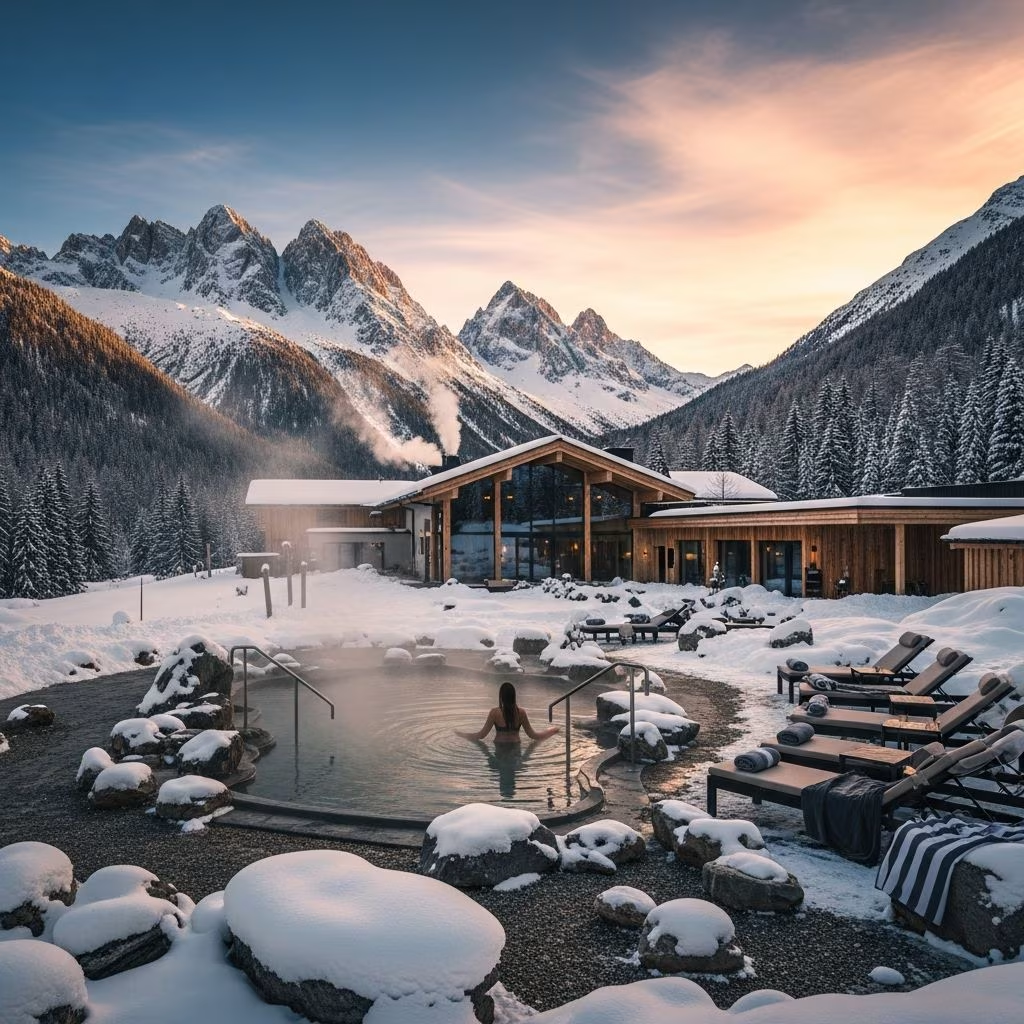
Winter transforms mountainous terrain into a sanctuary for those seeking renewal and restoration. The crisp mountain air, pristine snow-covered landscapes, and abundance of specialized wellness facilities create an ideal environment for travelers committed to physical recovery and mental rejuvenation. Utah’s premier alpine destination has emerged as a premier location for wellness-focused winter vacations, offering a harmonious blend of luxury accommodations, therapeutic services, and natural beauty that caters to every aspect of holistic health.
Winter wellness retreats operate on a fundamental principle: the natural environment combined with intentional self-care practices creates conditions for profound personal transformation. The cooler temperatures, reduced daylight hours, and visual serenity of snow-laden mountains naturally encourage introspection and slower-paced activities. Unlike typical vacation pursuits that emphasize activity and external stimulation, wellness-focused travel prioritizes internal restoration, stress reduction, and the cultivation of sustainable health practices.
The psychological benefits of winter mountain environments have been recognized in wellness literature for decades. Exposure to natural landscapes, particularly those with visual complexity and seasonal transitions, supports stress recovery and mental clarity. When combined with evidence-based therapeutic interventions such as massage therapy, meditation practices, and structured fitness activities, the winter mountain setting becomes a powerful catalyst for comprehensive wellness outcomes.
The foundation of any winter wellness experience centers on professional spa facilities designed to address physical tension and promote systematic relaxation. Modern wellness spas in mountain communities feature an impressive array of treatments and facilities specifically curated for travelers seeking restoration.
Professional wellness facilities offer comprehensive treatment menus that extend far beyond basic massages. High-end spa operations typically include:
Geothermal mineral springs represent unique therapeutic resources in mountain regions. These naturally heated waters, enriched with minerals and heated by subsurface geological activity, offer distinct physiological benefits. Soaking in thermal waters during winter months combines the therapeutic properties of mineral-rich water with the sensory contrast of cool mountain air, creating a powerful stress-relief experience. The mineral composition of thermal springs typically includes beneficial elements that support skin health, joint mobility, and circulation enhancement.
Contemporary wellness facilities incorporate advanced heat therapies that complement traditional spa treatments. Heated basalt stone treatments, infrared sauna experiences, and steam room therapies promote muscle relaxation, increase flexibility, and facilitate toxin elimination through perspiration. These modalities prove particularly effective during winter months when muscles naturally contract in response to cold temperatures.
Winter wellness extends beyond passive relaxation to include purposeful physical activity designed to enhance overall fitness, mental clarity, and emotional balance. Alpine environments provide distinctive opportunities for movement-based wellness practices that would be impractical or less effective in other seasons.
Yoga practice at elevation combines the physical benefits of structured movement with the psychological benefits of nature immersion. Mountain yoga sessions vary in intensity and focus, from vigorous flow classes that build strength and cardiovascular capacity to gentle restorative sessions emphasizing flexibility and relaxation. Specialized alpine yoga offerings include unique combinations such as snowshoe hiking followed by meditative practice in heated spaces, creating memorable experiences that integrate movement, nature, and mindfulness.
Pilates and targeted strength training provide essential physical benefits, particularly when practiced in spaces designed specifically for wellness. Salt-infused fitness studios, incorporating natural Himalayan mineral blocks, combine the physical benefits of reformer training with the purported therapeutic properties of salt air exposure. These environments typically feature soothing aesthetics and climate control designed to optimize comfort during movement practices.
For travelers preferring vigorous activity, alpine wellness centers offer high-intensity interval training (HIIT), group fitness classes combining weights and aerobic conditioning, and dynamic movement experiences that elevate heart rate while building strength and endurance. These activities trigger endorphin release, enhance cardiovascular function, and provide the psychological benefits associated with physical achievement and group participation.
Float tank therapy represents an advanced wellness modality gaining recognition in premier alpine destinations. Private flotation chambers containing saltwater solutions at precise temperatures and densities allow the body to float effortlessly while the mind enters a deeply meditative state. This combination of physical weightlessness and sensory minimization produces measurable benefits including reduced cortisol levels, enhanced creativity, and relief from chronic pain conditions. The practice proves particularly valuable for travelers seeking refuge from digital connectivity and external stimulation.
Contemporary wellness centers now offer sophisticated IV therapy programs administered by licensed medical professionals in spa-like environments. These treatments deliver micronutrients, hydration support, and specialized formulations directly into the bloodstream, bypassing digestive absorption limitations. Common wellness IV applications address energy optimization, altitude adaptation, stress reduction, and recovery from travel-related fatigue. The intimate, comfortable treatment environments within wellness facilities ensure that these medical interventions feel integrated within the broader spa and wellness experience rather than clinical or institutional.
Nutritional support complements movement, thermal therapies, and other wellness modalities. Alpine wellness destinations increasingly feature specialized culinary programs emphasizing whole foods, seasonal ingredients, and preparations designed to support specific wellness objectives.
Smoothie and juice-based nutrition programs offer concentrated micronutrients in easily digestible formats. Professional wellness facilities often include juicery services providing customized formulations addressing specific health concerns, energy requirements, and dietary preferences. These nutrient-dense beverages support recovery processes, provide sustained energy without blood sugar disruption, and facilitate the body’s natural detoxification mechanisms.
The initial day should prioritize arrival comfort, light activity, and environmental acclimatization. Arriving travelers benefit from gentle yoga or restorative massage to address travel fatigue. Afternoon activities might include leisurely nature walks in mountain environments, allowing the body to acclimate to altitude while experiencing the visual and psychological benefits of pristine alpine landscapes. Evening activities should emphasize relaxation, with dinner featuring nourishing cuisine and early sleep to support altitude adjustment.
Dedicate the second day to comprehensive spa experiences, combining multiple treatments and hydrotherapy modalities. A typical schedule might include morning thermal water soaking, midday massage therapy addressing tension patterns, afternoon body treatments such as exfoliation or wrapping, and evening float therapy followed by restorative yoga. This intensive spa day allows the body to shift into genuine relaxation as nervous system activation gradually decreases.
Mid-retreat introduces more vigorous physical activity combined with outdoor alpine experiences. Morning activities might include high-intensity movement classes or extended snowshoe adventures, while afternoon pursuits could incorporate specialized fitness training or extended nature exploration. These more active days provide counterbalance to spa-intensive days while maintaining the overall wellness focus through purposeful, health-oriented activity.
The fourth day provides opportunity to explore specialized wellness technologies and experiences not yet encountered. Flotation therapy, IV wellness protocols, and advanced spa treatments can be sequenced with moderate physical activity and outdoor time. This integration day bridges the intensive earlier retreat experiences with the gradual transition back to regular life.
The final day should include reflection practices, gentle movement, and intention-setting for maintaining wellness practices after returning home. Morning meditation or yoga provides mental closure, while afternoon activities emphasize relaxation without the intensity of earlier retreat days. This gentle conclusion supports the physiological and psychological transition from intensive wellness experiences to everyday life.
Alpine winter environments provide distinctive advantages for wellness pursuits. The combination of altitude, pristine air quality, thermal contrast between outdoor cold and heated spa environments, and the psychological effects of snow-covered landscapes creates conditions specifically supportive of deep relaxation and restoration. Winter’s inherent slower pace aligns naturally with wellness pursuits emphasizing contemplation and internal focus rather than external activity accumulation.
The visual serenity of snow-laden mountain terrain supports what researchers identify as “attention restoration,” a measurable psychological phenomenon where natural environmental exposure reduces cognitive fatigue and enhances mental clarity. This environmental quality, combined with absence of summer crowds and activity-focused tourism, creates intimate, peaceful conditions optimal for wellness-focused travelers.
A five-day duration provides optimal balance between transformative wellness immersion and practical vacation constraints. This timeframe allows sufficient experience of multiple modalities while remaining accessible for travelers with standard vacation entitlements. Winter scheduling, typically December through March, ensures reliable snow conditions and availability of alpine-specific activities.
Wellness-focused travelers should prioritize accommodations offering direct spa access, integrated wellness programming, and environmental quality supporting relaxation. Properties featuring mountain views, quiet locations away from activity-focused base areas, and comprehensive onsite wellness amenities optimize the overall experience. Many premium alpine resorts now offer dedicated wellness packages bundling accommodation with spa services, specialized programming, and nutritional support.
Travelers arriving from lower elevations benefit from gradual altitude acclimatization, adequate hydration initiation before arrival, and realistic expectations about physical capacity during the first day. Consulting with healthcare providers regarding altitude considerations, particularly for individuals with specific health concerns, ensures safe and comfortable experiences.
Alpine elevations typically range from 7,000 to 10,000 feet, creating mild altitude exposure that most travelers manage comfortably. Staying hydrated, pacing physical activity on arrival days, and consulting medical professionals regarding personal health factors support safe experiences. Many wellness facilities incorporate professional guidance addressing altitude adjustment specifically.
Modern alpine wellness facilities accommodate diverse accessibility needs through modified treatments, adapted therapies, and specialized programming. Communicating specific requirements during booking ensures appropriate accommodations and professional guidance throughout the retreat experience.
Appropriate layered clothing, high-quality outerwear, and professional guidance regarding outdoor activity safety ensure comfortable engagement with alpine environments. Most wellness facilities provide guidance on outdoor activity protocols and ensure transitions between outdoor pursuits and heated indoor environments remain smooth and comfortable.
Alpine winter wellness retreats provide not merely vacation experiences but transformative opportunities for establishing sustainable health practices. The intensive immersion in therapeutic modalities, combined with alpine environmental exposure and structured programming, creates conditions for meaningful personal insights and health optimization. Successful wellness travelers approach retreats as intensive practice periods, then integrate learned practices into ongoing daily routines, ensuring that retreat-derived benefits extend throughout the year following their mountain experiences.
