

 Travel Essentials
 Travel Essentials

Explore Patagonia's iconic destinations including Torres del Paine, Perito Moreno Glacier, and El Chaltén. Learn about hiking, wildlife viewing, and adventure activities.
 Travel Essentials
Patagonia stands as one of the world’s most extraordinary natural regions, spanning across southern Argentina and Chile. This remote corner of South America captivates travelers with its dramatic mountain landscapes, pristine glaciers, abundant wildlife, and world-class outdoor recreation opportunities. Whether you’re an experienced mountaineer, a casual hiker, or a nature enthusiast seeking unforgettable experiences, Patagonia offers something remarkable for every visitor.
The region’s unique geology, shaped by millions of years of glacial activity, creates an ever-changing landscape of towering peaks, crystalline lakes, and ancient ice formations. Combined with its rich cultural heritage and charming towns, Patagonia represents the ultimate adventure destination for travelers seeking authentic wilderness experiences.
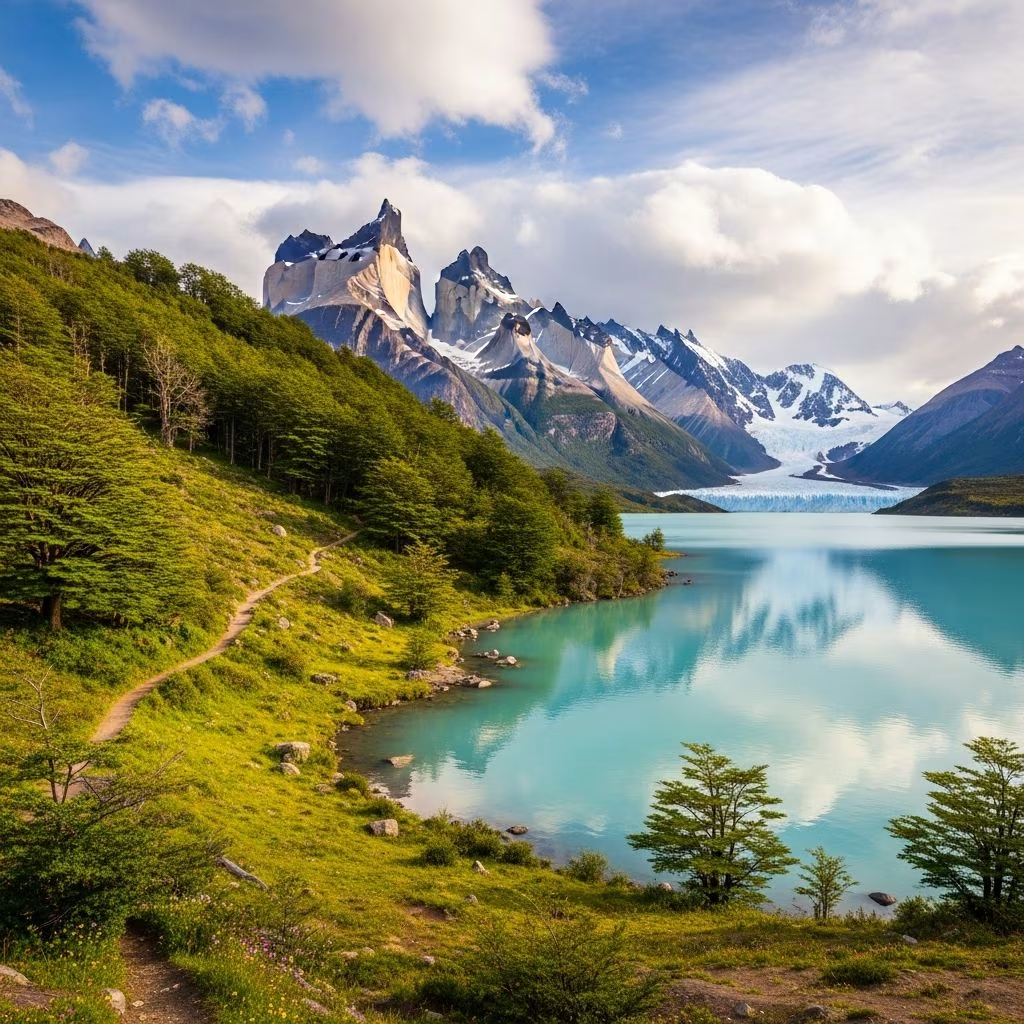
No journey through Patagonia is complete without experiencing Torres del Paine National Park, located in Chilean Patagonia near Puerto Natales. This iconic park represents the pinnacle of Patagonian adventure, featuring three massive granite towers that rise dramatically from the landscape like sentinels guarding the wilderness. These ancient towers, formed from igneous rock dating back 60 million years, were shaped through intense geological processes when magma chambers thrust upward and subsequently cooled into their current monumental formations.
The park encompasses over 2,400 square kilometers of pristine wilderness, offering visitors multiple ways to experience its majesty. The most popular trekking routes are Circuit W and Circuit O, both offering distinct perspectives of the park’s diverse ecosystems and geological wonders.
Beyond trekking, the park accommodates diverse adventure activities. Kayaking across pristine mountain lakes, horseback riding through windswept valleys, climbing technical rock formations, and wildlife observation of guanaco herds and soaring Andean condors provide alternatives to hiking.
The Perito Moreno Glacier represents one of Patagonia’s most visually spectacular natural features, located in Los Glaciares National Park near El Calafate. Unlike most glaciers worldwide, which are retreating due to climate change, Perito Moreno remains relatively stable, advancing and retreating in cycles that create a dynamic and ever-changing landscape.
Multiple access options allow visitors to experience this engineering marvel of nature:
The Glaciarium museum in El Calafate offers educational context about glacial formation, climate patterns, and the geological forces shaping Patagonia’s landscape.
Located on the shores of Lake General Carrera, the Marble Caves (Catedral de Mármol) represent a geological marvel carved by millennia of water erosion through marble rock formations. These stunning caverns feature otherworldly crystalline walls and intricate patterns that reflect light in mesmerizing ways.
Visitors can access this remarkable site through:
The adjacent Ventisquero Colgante, a waterfall fed by glacial meltwater, provides another stunning natural attraction in the same region.
El Chaltén, nestled in northwestern Argentine Patagonia, serves as the gateway to some of South America’s most rewarding day-hiking experiences. This mountain town attracts outdoor enthusiasts from around the world who come to tackle the region’s famous trekking routes featuring dramatic granite peaks and turquoise mountain lakes.
| Trail Name | Difficulty | Duration | Key Features |
|---|---|---|---|
| Laguna de los Tres | Moderate | 6-8 hours | Panoramic valley views, mountain vistas |
| Laguna Torre | Moderate-Challenging | 5-7 hours | Stunning glacier-fed lake, granite formations |
| Mirador Base Las Torres | Challenging | 8-10 hours | Direct views of the iconic Torres towers |
Beyond traditional hiking, El Chaltén offers rock climbing opportunities on world-class granite formations, ice climbing experiences on frozen waterfalls and glaciers for advanced adventurers, and horseback riding expeditions through pristine mountain valleys.
Patagonia’s remote wilderness supports diverse and iconic wildlife species that have captured travelers’ imaginations for centuries. These encounters provide profound connections with the natural world.
Multiple penguin populations inhabit Patagonian waters and coastal regions:
Dedicated penguin boat trips departing from coastal towns provide the most reliable viewing opportunities, often including sightings of sea lions and marine birds.
Patagonia’s interior regions support guanaco herds (wild relatives of llamas), Andean condors soaring on thermal currents above mountain valleys, and elusive pumas inhabiting remote wilderness areas. Peninsula Valdes and surrounding marine protected areas offer opportunities to observe sea lions, elephant seals, and numerous seabird species in their natural habitat.
Beyond mountains and glaciers, Patagonia’s Atlantic coastline and interior waterways offer distinct adventure opportunities.
Patagonia’s charm extends beyond natural wonders to include distinctive towns and cultural experiences that enrich the travel experience.
For travelers seeking unique experiences beyond standard tourism offerings, Patagonia provides numerous specialized opportunities.
Ruta 40, Argentina’s legendary highway traversing Patagonia’s western edge, offers road trip adventures linking diverse attractions with stunning mountain scenery. The Carretera Austral in Chilean Patagonia provides equally spectacular driving experiences through fjord country and remote wilderness regions.
Patagonia’s extreme weather and remote character require thoughtful preparation. The region experiences dramatic seasonal variations, with summer months (December-February) offering longer daylight and more stable weather, while winter brings intense cold and wind. Spring and autumn provide shoulder seasons with fewer crowds and moderate conditions.
Quality hiking boots, weather-resistant layered clothing, and sun protection prove essential for outdoor activities. Most attractions operate year-round, though some routes and tours have seasonal limitations. Multi-day treks typically require advance booking and guide arrangements.
Patagonia offers diverse lodging choices catering to various preferences and budgets. Simple mountain refugios (shelters) provide basic accommodations on trekking routes, hostels offer budget-friendly options in town centers, comfortable lodges combine adventure access with contemporary amenities, and luxury resorts provide high-end experiences with gourmet dining and spa facilities.
Summer months (December-February) provide the most stable weather and longest daylight hours, making this the peak season. However, shoulder seasons (September-November and March-April) offer fewer crowds and reasonable conditions for most activities.
A minimum 10-14 day itinerary allows visitors to experience multiple major attractions including Torres del Paine, Perito Moreno Glacier, and El Chaltén. Longer stays enable deeper exploration and multi-day trekking opportunities.
Most popular attractions accommodate various skill levels. Day hikes require basic fitness, while technical activities like rock climbing and ice climbing require appropriate training or guided experiences.
Yes, numerous family-friendly activities exist including wildlife viewing, scenic boat cruises, and day hikes. However, the region’s extreme weather and remote character require careful planning and appropriate gear.
Guanacos, Andean condors, penguins, sea lions, and whales represent the most commonly observed species. Pumas exist but rarely encounter humans in this vast wilderness.
Patagonia transcends typical tourist destinations by offering profound wilderness immersion combined with accessible adventure opportunities. Whether you’re trekking beneath granite towers, kayaking among icebergs, or observing wildlife in pristine habitats, this extraordinary region delivers transformative travel experiences. The combination of geological drama, biological richness, and adventure infrastructure makes Patagonia an essential destination for anyone seeking authentic connection with Earth’s wild places.
