

 Travel Essentials
 Travel Essentials

Uncover Patagonia's quieter attractions including scenic boat tours, cultural experiences, and relaxing retreats perfect for travelers seeking alternatives to intense mountaineering.
 Travel Essentials
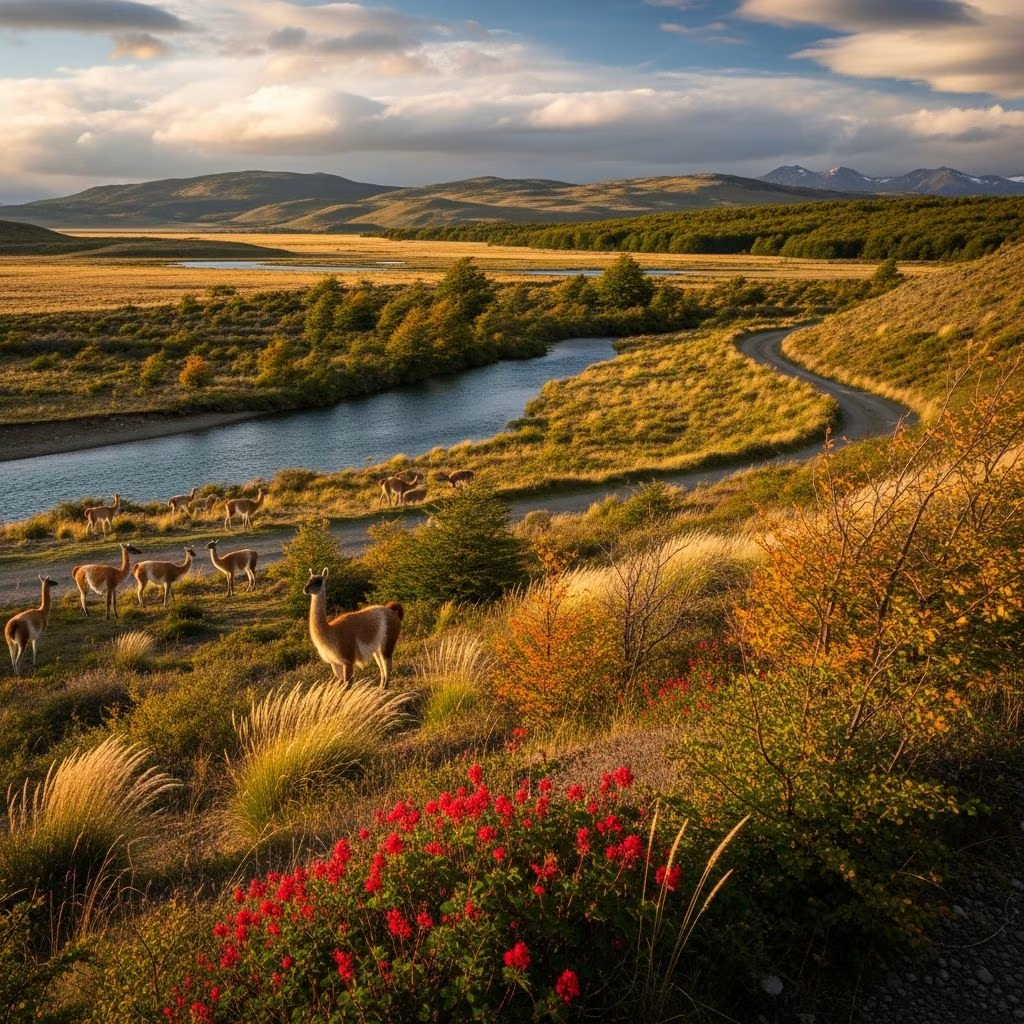
Patagonia has long captured the imagination of adventure seekers and mountaineers drawn to its dramatic landscapes and challenging terrain. However, this spectacular region of South America offers far more than vertical ascents and multi-day treks across rugged wilderness. For visitors who prefer a more measured pace or seek balance between active pursuits and cultural immersion, Patagonia reveals a softer, more accessible side that remains equally captivating.
The Argentine territories around Bariloche and El Calafate showcase an impressive range of activities designed for travelers of varying fitness levels and interests. From tranquil boat excursions across pristine waterways to intimate encounters with local communities, these alternatives provide authentic connections with the region without requiring climbing expertise or extreme endurance capabilities.
Water-based adventures offer some of the most spectacular ways to experience Patagonia’s natural wonders. These journeys provide intimate views of geological features that shaped the continent over millennia, all while maintaining comfort and safety standards appreciated by leisure travelers.
Navigating the pristine waters surrounding Bariloche opens access to remote locations accessible primarily by boat. Professional operators guide visitors past tree-covered islands and mist-shrouded peaks while sharing ecological and geological context about the landscape. The journey itself becomes an attraction, with opportunities to observe native bird species and photograph reflections of mountains mirrored in crystal-clear alpine lakes.
Lake Nahuel Huapi, the centerpiece of Nahuel Huapi National Park, stretches across 557 square kilometers and contains numerous small islands perfect for exploration. Specialized tour companies coordinate excursions to these islands, combining scenic appreciation with opportunities to disembark for brief nature walks or picnicking in isolated settings.
The ice fields surrounding El Calafate represent Patagonia’s most visually stunning geological features. Rather than hiking across glacial terrain, visitors can observe these colossal masses of ancient ice from boat vantage points, witnessing the slow-motion drama of calving icebergs and turquoise meltwater lakes.
The Perito Moreno Glacier, roughly 60 kilometers long and 5 kilometers wide, continues advancing despite global warming trends affecting most South American glaciers. Boat excursions position visitors mere meters from the glacier’s face, where massive chunks of compressed ice periodically break away and crash into the water below with thunderous impact. The aquamarine icebergs floating on meltwater lakes create surreal visual landscapes reminiscent of Arctic environments despite Patagonia’s relatively temperate latitude.
The larger Upsala Glacier, currently spanning an area three times greater than Buenos Aires, offers more expansive viewing opportunities. Extended boat tours cross Lake Argentino to reach this glacier complex, followed by 4×4 vehicle journeys to elevated viewpoints where panoramic vistas encompass mountain ranges, glacial remnants, and vast wilderness extending toward the southern horizon.
Food and beverage experiences provide windows into regional culture and agricultural heritage. Patagonia’s distinct culinary traditions reflect European settlement patterns, indigenous influences, and the unique ingredients thriving in cool climates.
The Bariloche region supports a thriving chocolate manufacturing heritage influenced by Swiss and Austrian immigration patterns during the early twentieth century. Contemporary chocolate artisans maintain traditional production methods while incorporating local ingredients including Patagonian berries and regional dairy products. Tasting rooms and production facilities welcome visitors interested in understanding chocolate craftsmanship, from bean selection through tempering techniques affecting final texture and appearance.
Several rural retreats within the national park landscape offer wine tasting experiences paired with regional cuisine. These sessions introduce visitors to Argentine wine traditions while providing educational context about viticulture adapted to Patagonian climate conditions. Knowledgeable hosts explain tannin profiles, fermentation processes, and food pairings relevant to local cooking styles.
Estancia properties throughout the region organize cooking classes where professional chefs demonstrate preparation techniques for traditional Patagonian dishes. Participants learn to prepare empanadas, lamb stews, and fresh trout preparations using ingredients sourced from property gardens and local suppliers. These hands-on experiences create lasting memories while building practical skills applicable to home kitchens.
Traditional transportation methods can transform ordinary sightseeing into memorable experiences. Guided tours utilizing vintage vehicles combine nostalgic charm with comfortable transportation across scenic routes.
Specialized tour operators maintain collections of restored vehicles from the 1950s and 1960s, offering guided journeys through Switzerland-like mountain scenery surrounding Bariloche. These mint-condition automobiles feature vintage stereo systems playing period-appropriate music, creating immersive temporal experiences transporting passengers psychologically to earlier decades. Routes wind past Lake Nahuel Huapi shorelines and Andes foothills, with predetermined stops at scenic overlooks allowing photography and contemplation of panoramic mountain vistas.
The combination of classic engineering, curated musical accompaniment, and carefully selected routes appeals to automotive enthusiasts and travelers seeking distinctive approaches to regional exploration. Professional drivers navigate sometimes challenging mountain roads, permitting passengers to focus entirely on landscape appreciation without navigation concerns.
Guided hiking experiences can incorporate educational and cultural elements beyond typical trail walking. These curated journeys transform simple forest strolls into multisensory adventures combining physical activity with sensory experiences and local traditions.
Lesser-known locations within Nahuel Huapi National Park include scenic destinations unmarked on standard tourism maps. Certain lakes appear to emerge directly from surrounding forest canopy, their pristine waters reflecting snow-covered mountain peaks in mirror-like stillness. Rocky bays featuring dramatic geological formations provide striking backdrops for contemplation and photography.
Professional guides familiar with trail systems and environmental conditions safely direct visitors to these secluded locations, sharing ecological knowledge about forest composition, wildlife behavior, and indigenous history informing understanding of landscape relationships with human communities.
Walking tours incorporate surprising cultural elements including traditional mate tasting ceremonies conducted in forest settings, whisky sampling beside mountain lakes, and impromptu musical performances by local musicians playing traditional instruments. These unexpected encounters create memorable moments combining physical activity with cultural enrichment, transforming simple nature walks into comprehensive regional experiences.
Traditional ranching properties converted into hospitality venues offer immersive rural living experiences accessible to visitors seeking authentic engagement with Patagonian lifestyle and landscape.
Specialized estancia lodges situated within national park boundaries provide accommodation and coordinated activity programming addressing diverse visitor interests. These properties typically span 500 or more acres of undisturbed wilderness, offering various pursuits including horseback riding through native forests, kayaking across glacial-fed lakes, and yoga sessions overlooking mountain panoramas.
Facilities feature comfortable guest accommodations, dining venues serving locally-sourced ingredients prepared according to traditional Patagonian recipes, and common areas designed for evening social gatherings. The ranch atmosphere encourages guest interaction while maintaining sufficient privacy for personal contemplation and relationship bonding.
Estancia operators curate activity schedules balancing active pursuits with restful downtime. Programming accommodates varying fitness levels and interests, permitting families and mixed-ability groups to participate meaningfully. Evening activities such as tango instruction sessions introduce cultural practices distinct to Argentine heritage, while cooking demonstrations teach food preparation techniques guests can replicate at home.
Professional guides and instructors ensure safe participation in adventurous activities while maintaining accessibility for visitors with limited outdoor experience. The combination of structured programming and flexible scheduling respects individual preferences for social engagement versus solitary contemplation.
The austral summer months spanning November through March provide optimal weather conditions with temperatures ranging between 13-20 degrees Celsius (55-68 degrees Fahrenheit). During these months, daylight extends to approximately 17 hours, maximizing time available for outdoor activities. Shoulder seasons in October and April offer fewer tourists while maintaining generally favorable conditions, though weather becomes increasingly unpredictable.
Most alternative experiences operate with minimal equipment requirements beyond comfortable walking shoes and weather-appropriate clothing. Boat tours provide safety equipment and professional guidance, while estancia activities typically include necessary gear for specific pursuits. Travelers should consult with booking agencies regarding specific equipment needs for planned activities.
Most alternative activities accommodate varying fitness levels. Boat tours involve minimal physical exertion, while guided nature walks typically feature gentle terrain. Estancia activities like horseback riding require basic fitness but provide modifications for less experienced riders. Participants should communicate any physical limitations to activity coordinators to ensure appropriate experience matching.
Multi-day itineraries easily incorporate various activities addressing different interests. Most tourists spend 4-7 days exploring alternative experiences, rotating between activities to balance active pursuits with relaxation and cultural engagement. Professional travel coordinators can customize itineraries based on specific preferences and time constraints.
Bariloche and El Calafate both support reliable regional airport connections facilitating arrival from Buenos Aires and other Argentine cities. Rental vehicle services permit independent exploration between organized excursions, though professionally guided tours eliminate navigation concerns. Most alternative activities operate year-round with seasonal variations in frequency and available options.
Lodging ranges from modest guesthouses in town centers to luxury estancia properties offering comprehensive activity programming. Budget considerations should account for accommodation, guide fees, and activity costs when calculating overall trip expenses. Many properties offer package pricing combining accommodation with multiple activities, potentially reducing overall expenditure compared to à la carte bookings.
Visitors should respect indigenous heritage and protected ecosystem values when exploring Patagonian landscapes. Supporting local guide services and businesses directly benefits regional communities while ensuring high-quality experience delivery. Responsible tourism practices including waste reduction and wildlife observation protocols protect fragile environments enabling continued natural beauty appreciation by future visitors.
Patagonia’s reputation for extreme mountaineering and challenging treks often overshadows equally compelling opportunities for less intensive engagement with spectacular landscapes and regional cultures. Alternative experiences democratize access to this remote region, permitting broader demographic participation regardless of climbing expertise or extreme athletic capability.
The integration of sensory experiences, cultural learning, and environmental appreciation within activity frameworks transforms tourism from passive sightseeing into meaningful personal development. Travelers return from Patagonia not only with memorable photographs and personal accomplishment stories, but also with deepened understanding of ecological relationships, cultural heritage, and personal capacities.
As Patagonia continues attracting increasing visitor numbers, the availability of diverse activity options protects ecosystem integrity by distributing use across broader landscapes and activity types. Supporting alternative tourism creates economic incentives for conservation while enabling local communities to benefit from tourism revenue. The future of Patagonian tourism depends on travelers choosing experiences aligned with their actual interests and physical capabilities rather than attempting activities mismatched to personal abilities, thereby reducing environmental impact and increasing overall visitor satisfaction.
