
 Stays
StaysStays
Peninsula Papagayo: Costa Rica’s Eco-Luxury Paradise
Explore the growth of high-end eco-resorts in Costa Rica's Peninsula Papagayo, where conservation and luxury hospitality converge seamlessly.
 Stays
StaysA Paradise Reimagined Through Environmental Consciousness
The global travel industry is experiencing a significant transformation, with discerning travelers increasingly seeking destinations that align with their environmental values. Peninsula Papagayo, located on Costa Rica’s Pacific coast in Guanacaste Province, has emerged as a exemplary model for this evolution. The peninsula’s collection of luxury resorts demonstrates that premium comfort and ecological responsibility need not be mutually exclusive. Instead, these properties have become laboratories for innovative approaches to hospitality that prioritize both guest experience and environmental preservation.
What makes Peninsula Papagayo particularly noteworthy is its successful integration of world-class amenities within a carefully managed natural ecosystem. The region’s transformation into a premier eco-luxury destination reflects broader industry trends toward sustainable tourism while maintaining the sophistication that affluent travelers expect.
The Geography of Conservation: Understanding Peninsula Papagayo’s Unique Position
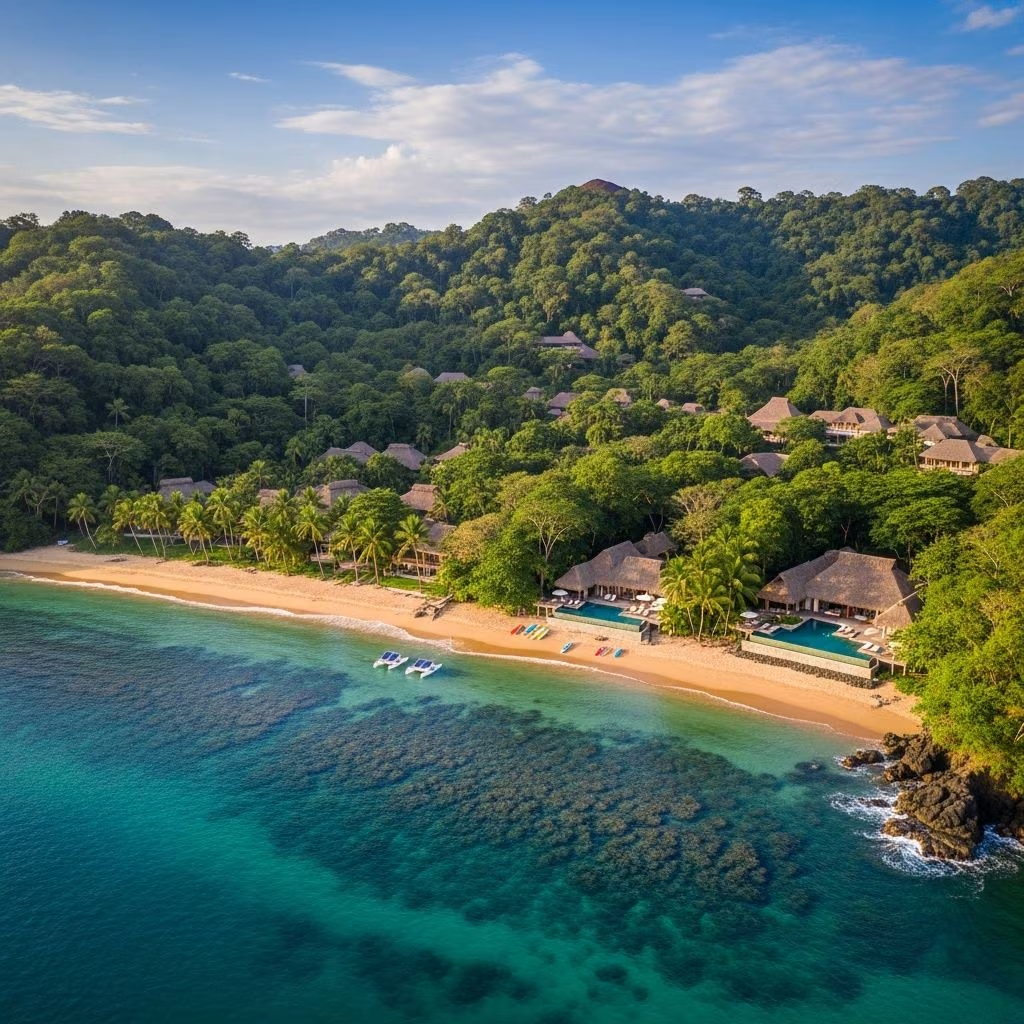
Peninsula Papagayo comprises approximately 1,400 acres of pristine private land situated along Costa Rica’s northwestern Pacific coast. This substantial landmass is positioned adjacent to the Área de Conservación Guanacaste, a UNESCO-recognized protected region representing one of the Western Hemisphere’s most biodiverse territories. The peninsula’s location within this ecological corridor provides resorts with unparalleled access to natural attractions while maintaining responsibility for conservation stewardship.
The landscape itself tells a compelling ecological story. Tropical dry forest dominates the terrain, creating distinct visual and ecological characteristics compared to other Costa Rican regions. This forest type supports specialized wildlife adapted to seasonal drought patterns, making it scientifically significant and visually dramatic. The peninsula’s geography encompasses multiple private beaches with golden sand, providing natural barriers that protect sensitive coastal ecosystems from overdevelopment.
Architectural Philosophy: Building with Nature Rather Than Against It
The resorts operating within Peninsula Papagayo have adopted architectural principles that emphasize harmony with the environment. Rather than imposing structures upon the landscape, designers have developed innovative approaches that integrate buildings into existing ecosystems. This philosophy begins with site selection and continues through material sourcing, construction methodologies, and spatial planning.
Contemporary resort villas showcase intentional design choices reflecting environmental consciousness:
- Earth-tone roofing that blends visually with forest canopy rather than contrasting sharply
- Extensive use of indigenous vegetation in landscaping, supporting local plant species and wildlife corridors
- Discrete pathways hidden by strategic vegetation placement to minimize visual and environmental impact
- Bamboo furnishings and tropical hardwood finishes sourced from sustainable suppliers
- Floor-to-ceiling windows and folding glass doors designed to blur interior-exterior boundaries while maximizing natural light
These architectural decisions extend beyond aesthetics. By incorporating natural building materials and respecting terrain contours, resorts reduce energy consumption while creating spaces that feel organically integrated into their surroundings. Local architect Ronald Zürcher’s influential designs established precedents that subsequent developments have emulated, creating a cohesive architectural language across the peninsula.
Wildlife and Biodiversity: The Heart of the Experience
The ecological richness of Peninsula Papagayo fundamentally shapes the guest experience. The region supports diverse wildlife populations that contribute significantly to visitor satisfaction and environmental value. Howler monkeys, scarlet macaws, manakins, and numerous reptile species create daily opportunities for wildlife observation from guest accommodations.
This biodiversity is not incidental but rather central to resort operations. Resorts have developed specialized programming around wildlife experiences:
- Guided nocturnal wildlife tours revealing forest dynamics after dark
- Beach and coastal access enabling marine life observation and snorkeling opportunities
- Jungle trail systems designed for hiking while maintaining ecosystem integrity
- Educational programming about local species and conservation initiatives
The relationship between resorts and wildlife creates mutual benefits. Guest expenditures fund conservation efforts, while pristine ecosystems justify premium pricing. This economic model incentivizes environmental protection as a business imperative rather than an external constraint.
Activity Integration: Adventure as Conservation Tool
Peninsula Papagayo’s resort operators have recognized that active engagement with nature strengthens environmental commitment among guests. Rather than passive observation, properties offer immersive experiences encouraging direct interaction with coastal and terrestrial ecosystems.
Common activity offerings demonstrate this philosophy:
- Surfing expeditions to renowned breaks like Witch’s Rock, combining athleticism with ocean appreciation
- Stand-up paddleboarding and sea kayaking providing water-level perspective on marine environments
- Cooking classes featuring local ingredients and sustainable farming practices
- Fitness facilities and wellness centers emphasizing physical rejuvenation through nature immersion
These activities serve dual purposes. Guests achieve personal wellness goals while developing appreciation for ecosystems that require protection. Resort staff guide participants toward environmentally responsible behavior, embedding conservation lessons within recreational experiences.
Wellness and Luxury Accommodation Standards
The resorts operate at premium hospitality tiers, evidenced by prestigious recognition from international hospitality organizations. Properties maintain consistent Five-Star status through Forbes Travel Guide evaluations, reflecting sustained commitment to service excellence. This high standard applies across all guest-facing operations.
Guest accommodations exemplify how luxury can coexist with environmental stewardship. Room design emphasizes natural materials, abundant natural lighting, and outdoor spaces:
| Amenity Type | Environmental Integration | Luxury Function |
|---|---|---|
| Bathroom Features | River stone rain showers opening to outdoor spaces | Spa-quality experience with nature views |
| Window Systems | Large transparent surfaces maximizing passive heating/cooling | Panoramic landscape views from all angles |
| Outdoor Spaces | Bird’s nest-inspired balconies minimizing footprint | Private retreat areas with aesthetic appeal |
| Plunge Pools | Water-efficient design with natural filtration | Exclusive bathing experiences in private settings |
Spa facilities represent particularly sophisticated integration of wellness and environmental design. Recently renovated spa centers incorporate neutral color palettes, wood and stone elements, and indoor cabinets providing post-treatment privacy. These spaces function as wellness sanctuaries while using locally sourced materials and minimizing environmental impact.
Culinary Innovation: Farm-to-Table Sustainability
Dining operations across Peninsula Papagayo properties have evolved to emphasize local sourcing and sustainable food systems. Culinary programming extends beyond meal service to include educational components about regional agriculture and food sustainability. Cooking classes expose guests to local ingredients and traditional preparation methods while supporting regional agricultural communities.
This culinary approach addresses multiple sustainability dimensions simultaneously. By sourcing locally, resorts reduce transportation emissions, support regional economies, and ensure ingredient freshness. Guests simultaneously experience authentic regional cuisine while developing understanding of local food systems and agricultural challenges.
Conservation Partnerships and Environmental Stewardship
The concentration of luxury resorts on Peninsula Papagayo has created economies of scale enabling sophisticated conservation initiatives. Proximity to the UNESCO-recognized Área de Conservación Guanacaste enables formal partnerships between private resorts and public conservation agencies. These collaborations leverage private sector resources and expertise toward shared environmental goals.
Resort operations include concrete conservation commitments:
- Protection of rare plant species through controlled landscaping practices
- Maintenance of wildlife corridors connecting private and protected lands
- Research partnerships with academic institutions studying regional ecology
- Community engagement programs connecting guests with conservation objectives
These initiatives transform resorts from isolated luxury facilities into active conservation participants. Guest fees effectively fund environmental protection, creating direct economic linkages between hospitality revenue and ecosystem preservation.
Wellness Technology and Holistic Retreats
Contemporary eco-resorts increasingly incorporate advanced wellness technologies alongside natural elements. Properties offer personalized wellness experiences combining luxury amenities with health-focused programming. Tailored nutrition programs, private fitness sessions, and meditation spaces address guest wellness comprehensively.
This wellness orientation reflects evolving traveler preferences toward destinations supporting physical and mental rejuvenation. By combining advanced facilities with natural surroundings, resorts create environments conducive to comprehensive health restoration. Guests return home not merely relaxed but substantially healthier in multiple dimensions.
Infrastructure and Development: Balancing Growth with Protection
Peninsula Papagayo’s development has proceeded deliberately, with strict protocols limiting property density and environmental impact. The private peninsula remains comparatively undeveloped relative to its size, with extensive portions maintained as natural habitat. This measured approach contrasts sharply with less-regulated beach destinations experiencing intensive development pressures.
Infrastructure design emphasizes environmental efficiency. Resort operations employ renewable energy systems, water conservation technologies, and waste reduction protocols. These systems operate largely invisibly to guests while substantially reducing environmental footprints compared to conventional resort operations.
Visitor Experience and Transformative Travel
Guests at Peninsula Papagayo resorts report transformative experiences combining luxury comfort with nature immersion. The relatively small number of properties preserves exclusivity while the scale of individual resorts enables comprehensive service. Individualized itineraries allow guests to customize experiences according to interests, whether prioritizing adventure, wellness, cultural engagement, or simple relaxation.
This customization reflects sophisticated understanding that affluent travelers seek personalized experiences rather than standardized packages. By combining environmental authenticity with luxury amenities and personal service, resorts create memorable experiences justifying premium pricing.
Market Trends and Future Outlook
Peninsula Papagayo’s emergence as a premier eco-luxury destination reflects broader market trends. Affluent travelers increasingly prioritize environmental values in destination selection. The Peninsula’s model demonstrates commercial viability of sustainability-focused hospitality at premium price points. This success encourages expansion of similar properties globally, establishing new standards for luxury resort operations.
The concentration of high-quality eco-resorts on a single peninsula creates competitive advantages through shared infrastructure, marketing coordination, and regional positioning. Rather than competing destructively, properties recognize mutual interests in preserving Peninsula Papagayo’s defining environmental characteristics.
Conclusion: A Sustainable Model for Luxury Hospitality
Peninsula Papagayo demonstrates that luxury hospitality and environmental stewardship need not represent competing priorities. Instead, sophisticated resorts have developed business models where premium guest experiences directly fund conservation activities. This alignment creates sustainability incentives embedded within commercial operations rather than imposed externally. As global travel increasingly emphasizes environmental responsibility, Peninsula Papagayo’s approach offers a replicable model for destinations seeking to combine luxury offerings with genuine ecological protection.
References
- Four Seasons Resort Costa Rica at Peninsula Papagayo — Four Seasons Hotels and Resorts. Accessed April 2026. https://www.fourseasons.com/costarica/
- Andaz Peninsula Papagayo Resort, Costa Rica — Hyatt Hotels Corporation. Accessed April 2026. https://www.hyatt.com/andaz/en-US/liraz-andaz-peninsula-papagayo-resort-costa-rica
- Four Seasons Resort Peninsula Papagayo, Costa Rica — Forbes Travel Guide. Accessed April 2026. https://www.forbestravelguide.com/hotels/costa-rica-costa-rica/four-seasons-resort-peninsula-papagayo-costa-rica
- Peninsula Papagayo Club & Resort — Peninsula Papagayo Official. Accessed April 2026. https://peninsulapapagayo.com
- Nekajui Peninsula Papagayo, a Ritz-Carlton Reserve — Ritz-Carlton Hotel Company. Accessed April 2026. https://www.ritzcarlton.com/en/hotels/lirrz-nekajui-peninsula-papagayo-a-ritz-carlton-reserve/overview/
On This Page
A Paradise Reimagined Through Environmental Consciousness The Geography of Conservation: Understanding Peninsula Papagayo's Unique Position Architectural Philosophy: Building with Nature Rather Than Against It Wildlife and Biodiversity: The Heart of the Experience Activity Integration: Adventure as Conservation Tool Wellness and Luxury Accommodation Standards Culinary Innovation: Farm-to-Table Sustainability Conservation Partnerships and Environmental Stewardship Wellness Technology and Holistic Retreats Infrastructure and Development: Balancing Growth with Protection Visitor Experience and Transformative Travel Market Trends and Future Outlook Conclusion: A Sustainable Model for Luxury Hospitality← Previous
Best Ski Resorts in British Columbia: Top Winter Destinations
Next →
Best Football Stadium Tours in Europe and the UK
Related Reading