

 Travel Essentials
 Travel Essentials

Uncover Kotor's UNESCO-protected old town, dramatic mountain views, and authentic Balkan culture in this comprehensive weekend travel guide.
 Travel Essentials
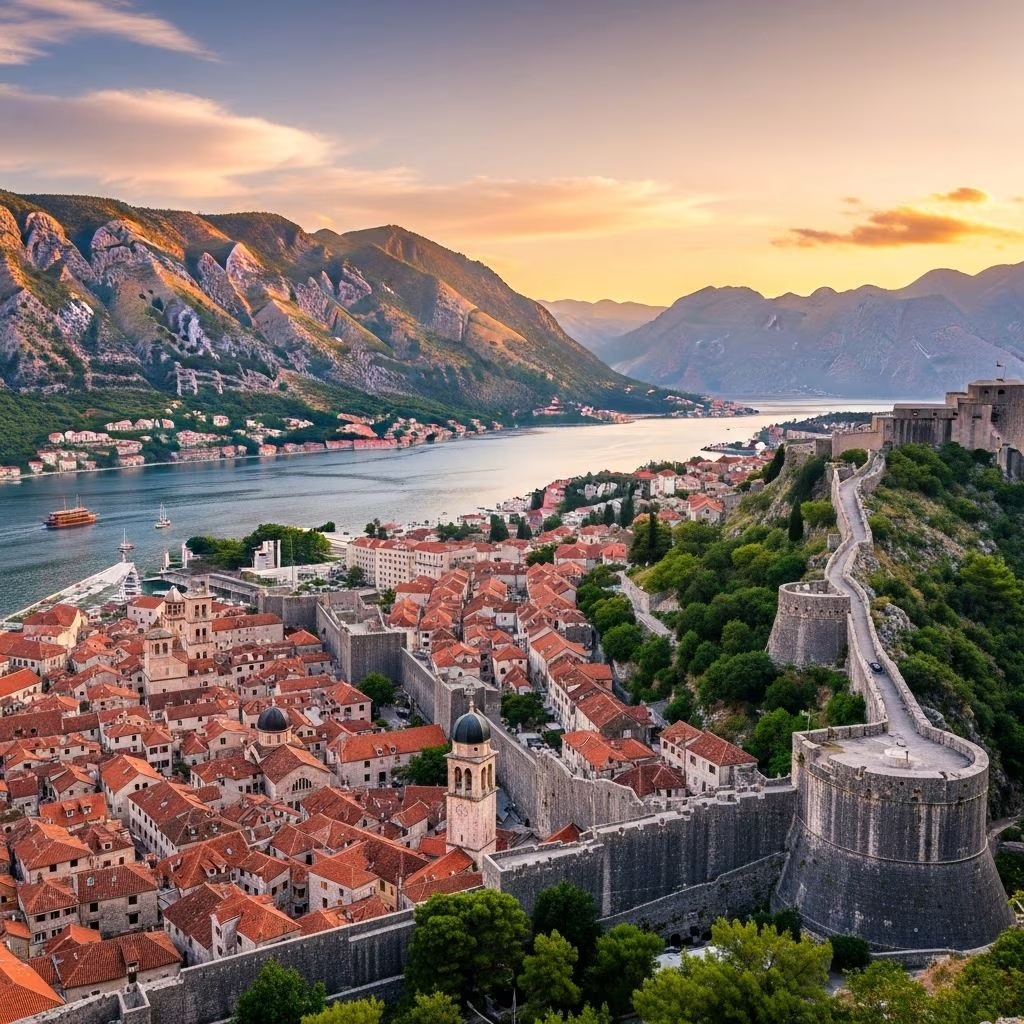
Nestled along the Adriatic coast of Montenegro, Kotor represents one of Europe’s most captivating yet underrated destinations. This medieval town, surrounded by dramatic limestone mountains and cradled within the Bay of Kotor, offers visitors an intoxicating blend of history, natural beauty, and authentic Balkan culture. Unlike many European destinations crowded with monument-focused tourism, Kotor thrives on its atmospheric character—a place where wandering through narrow stone passages, sampling regional delicacies, and soaking in unexpected vistas becomes the primary attraction.
The Bay of Kotor, often compared to the fjord landscapes of Scandinavia and New Zealand, cuts dramatically into Montenegro’s coastline. The town itself sits at the southern terminus of this natural amphitheater, where steep emerald cliffs plunge into crystalline waters. UNESCO recognized this remarkable setting in 1979, designating Kotor’s old town as a World Cultural and Natural Heritage Site. This designation reflects not only the region’s environmental splendor but also centuries of architectural and cultural layering.
Kotor’s historical significance stems from its position as the only eastern Adriatic coastal settlement to appear on ancient strategic maps. The town bears visible evidence of Venetian, Austrian, and Yugoslav influences, each era leaving its architectural and cultural fingerprints throughout the narrow streets and fortified walls. This palimpsest of Mediterranean and Central European heritage creates an atmosphere rarely found in contemporary Europe.
Before embarking on your Kotor adventure, several practical considerations will enhance your experience:
Arriving on Friday afternoon sets the stage for unhurried exploration of Stari Grad, Kotor’s enchanting old town. The cobblestone passages, referred to locally as arteries, wind unpredictably through the medieval district, revealing unexpected piazzas, hidden churches, and quirky boutiques that seem to materialize from centuries past.
Begin your evening by wandering without predetermined direction through the pedestrian-only old town. This aimless exploration captures Kotor’s essential character—a destination celebrated not for major museums or designated attractions, but for the cumulative atmospheric experience of being immersed in living medieval architecture. The buildings themselves, many constructed from honey-colored stone, create natural passages that narrow and widen unexpectedly.
Visit St. Nicholas Church during golden hour light, when the weathered façade glows warmly. Adjacent to this religious landmark, observe traditional cobblers crafting opanci, the iconic woven leather shoes of Balkan peasant culture, right before your eyes. Watching these artisans work provides direct connection to centuries-old regional traditions.
Antiques Stanković and similar establishments throughout town function less as conventional shops and more as treasure repositories where conversations about Balkan history naturally emerge among shelves laden with Venetian, Austrian, and Yugoslav artifacts. These spaces reward curiosity and unhurried browsing.
Conclude Friday evening by dining on fresh seafood at a waterfront restaurant, watching the mountains gradually darken as lights flicker on across the bay’s far shore.
Saturday morning requires an early start at Kotor’s traditional food market, where local producers and residents converge to exchange home-grown provisions and artisanal specialties. Operating within historic chambers carved into the city walls themselves, this market represents authentic economic life rather than tourist performance.
Market traders generously offer tastings of pršut—smoke-dried ham with complex, salty-sweet notes—and sir, smoked cheese often infused with walnuts and pistachios that represent regional gastronomic identity. These products, deeply connected to Montenegro’s pastoral heritage, cannot be adequately experienced through photographs or descriptions; they demand direct sensory encounter.
For afternoon activities, summer visitors should reserve time for water-based exploration via kayak. The Bay of Kotor’s positioning within mountains and its geological depth create photogenic perspectives impossible from land. Kayaking operators like Kayak Montenegro provide equipment and guidance for paddling among limestone formations and discovering hidden coves. While the town’s shoreline itself makes questionable swimming spots, the surrounding waters reveal nature’s dramatic sculpture.
Saturday evening offers multiple possibilities depending on your interests. The old town contains numerous restaurants ranging from casual to refined, though dining earlier (before 8 PM) provides better ambiance and more attentive service. Consider exploring the Church of Our Lady of Remedy uphill from town, which affords spectacular vantage points over the UNESCO-protected red-tiled rooftops, particularly beautiful during sunset hours.
Sunday presents the crucial decision of remaining waterside or ascending into the dramatic mountain landscape enclosing the bay. Each option offers distinct rewards and requires different physical preparations.
Touring the Bay of Kotor’s perimeter reveals photogenic vistas at seemingly every turn and introduces historic villages that cling to steep shorelines. Herceg Novi, Perast, and Our Lady of the Rocks represent key stops along this scenic drive. However, summer traffic along the slim road can transform a potentially one-hour journey into a frustrating multi-hour ordeal. Bus service exists but offers less flexibility for photographing and exploring spontaneously discovered locations. Renting a vehicle provides optimal freedom, though early morning departures prove essential during peak season.
Climbing Kotor’s fortified walls offers the most accessible mountain experience without requiring serious hiking skills. Built progressively between the 9th and 14th centuries, these ramparts encircle the old town and climb toward Castle of San Giovanni perched on St. John’s Hill. The approximately 90-minute round-trip ascent traverses uneven stone steps and cobblestone paths requiring sturdy footwear and adequate hydration. The physical challenge yields extraordinary compensation: expansive views encompassing the old town, bay, and surrounding mountains in their complete geographic context.
Sunset timing from the castle heights represents a sublime if strenuous experience, though descending stone stairs in declining light demands caution and careful footing. For more ambitious hikers, the Ladder of Kotor trail extends 6 to 8 miles depending on chosen elevation, though afternoon starts prove inadvisable due to darkness arriving during descent.
Kotor rewards extended exploration beyond conventional guidebook recommendations. The town maintains a functioning population of residents navigating daily life amid historic architecture, creating an authenticity many preserved medieval towns lose. Markets, local bakeries, and neighborhood gathering spaces reflect genuine community rather than staged cultural performance.
The neighboring town of Dobrota, just north of Kotor, provides beach access and a quieter alternative to the old town’s intensity, with stunning mountain hikes accessible directly from residential areas. Lake Skadar National Park, approximately 30 minutes distant, offers wetland ecosystems and opportunities for observing regional wildlife in less-touristed settings.
Kotor’s visual splendor justifies its Instagram popularity, yet sunrise and sunset hours provide substantially better photography than midday. The mountains cast dramatic shadows across the bay during morning light, while evening golden hour transforms the red-tiled roofs into glowing embers. Clear evenings deliver sunsets of remarkable beauty, with skies displaying pink, orange, and yellow combinations as the sun descends behind surrounding mountains.
Spring (April-May) and autumn (September-October) offer ideal conditions combining pleasant weather, fewer crowds, and optimal light quality. Summer brings reliable sunshine but significant tourist congestion, while winter transforms the bay into a moody, contemplative landscape with reduced facilities and occasional storms.
| Location Type | Characteristics | Best For |
|---|---|---|
| Old Town Guesthouses | Atmospheric, central, medieval ambiance | Maximum immersion in historic environment |
| Dobrota Hotels | Beach access, quieter, nearby hiking | Families seeking outdoor activities and relaxation |
| Waterfront Resorts | Modern amenities, bay views, comprehensive services | Travelers prioritizing comfort and convenience |
Kotor’s culinary scene emphasizes fresh Adriatic seafood, traditionally prepared local specialties, and Mediterranean flavors. Brodetto, a fish stew featuring local catch and aromatics, exemplifies regional cuisine. Beyond old town restaurants crowded with tourists, seeking neighborhood establishments where locals dine delivers better value and authentic preparations. Waterfront dining captures the bay’s beauty, though prices command premiums for location.
While this guide covers a weekend framework, many visitors find three to four days optimal. The old town rewards thorough exploration, and extending time allows for more leisurely bay tours or mountain hiking without rushing.
Yes, though the old town’s narrow passages and steep stairs present challenges for very young children. Beach access through Dobrota and gentler bay activities like kayaking accommodate family interests well.
April through May and September through October offer ideal conditions. July-August bring peak tourism and summer heat, while winter brings cooler temperatures and reduced services.
Yes, though this approach sacrifices the atmospheric immersion that makes Kotor special. At minimum, an overnight stay allows proper evening exploration and relaxation.
The nearest airport is Tivat Airport, approximately 30 kilometers away, served primarily by European carriers and charter flights. Podgorica Airport offers more international options with approximately one-hour driving distance.
