

 Travel Essentials
 Travel Essentials

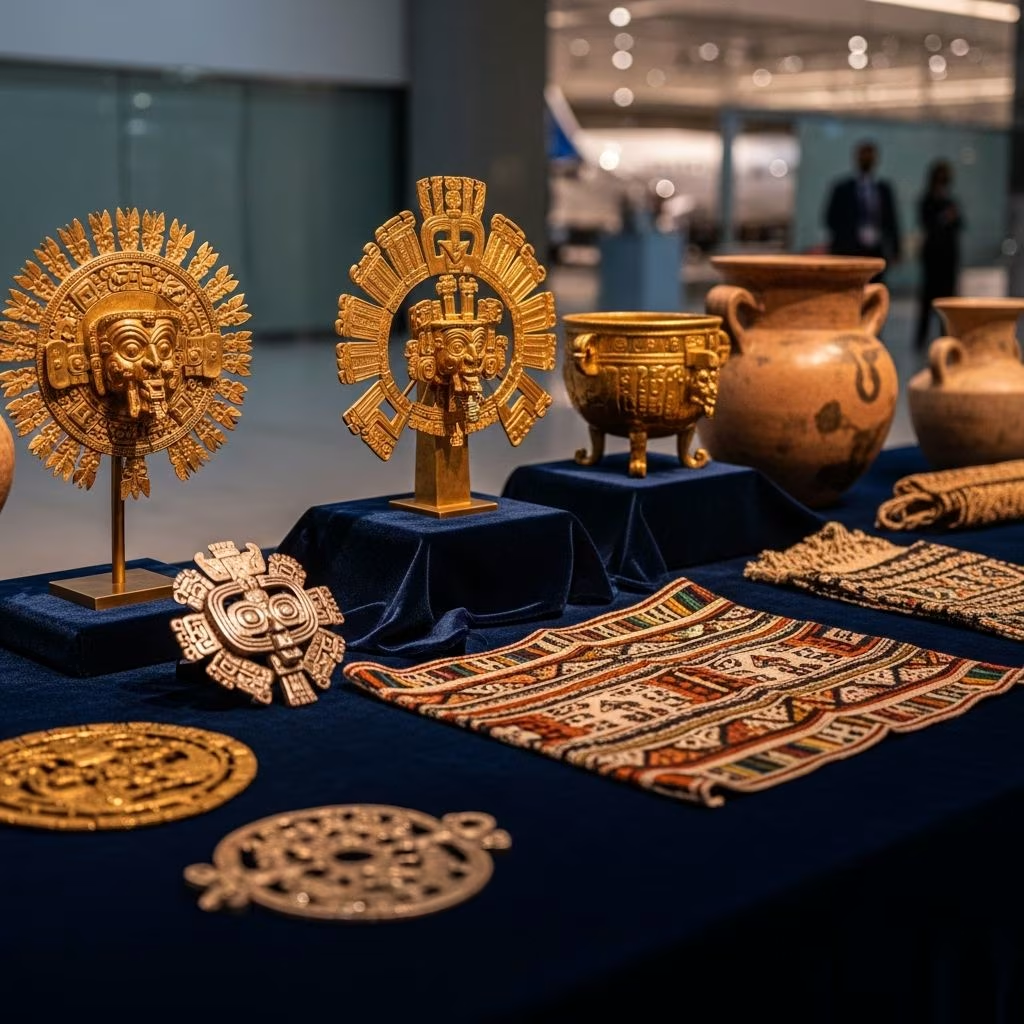
The US has repatriated dozens of ancient artifacts to Peru, seized from smugglers. These treasures from Moche and other cultures highlight ongoing fights against looting and trafficking.
 Travel Essentials
Recent repatriation ceremonies mark a significant step in returning looted cultural heritage to Peru from the United States. Dozens of ancient artifacts, ranging from gilded masks to ceramic vessels, have been handed back after being seized in smuggling investigations. These items, some over 2,000 years old, originate from Peru’s rich pre-Columbian civilizations and symbolize a broader international commitment to combating illicit trade in antiquities.
Peru’s North Coast has suffered extensive damage from looting over the past five decades. Sites like Loma Negra have been ravaged, with countless archaeological treasures illegally excavated and sold on black markets. Looters destroy contexts that provide vital historical insights, turning layered stratigraphy into mere pits for profit. This devastation not only erases evidence of ancient societies but also fuels a global network of traffickers who launder artifacts through false provenances, gallery exhibitions, and even museum donations.
Objects from cultures such as the Moche, known for their masterful metallurgy and iconography, frequently surface in these illicit trades. The Moche flourished between 100 and 700 CE, creating intricate goldwork and ceramics that depict deities, rituals, and daily life. Similarly, earlier Chimú and later Inca pieces add to the diversity of repatriated items, each carrying stories of innovation, spirituality, and societal complexity.
Among the standout pieces is a Moche gilded copper mask dating to around 300 BCE, possibly portraying the deity Aiapec, characterized by bared fangs to repel malevolent forces. This artifact hails from the heavily plundered Loma Negra region, underscoring the targeted destruction of sacred sites.
These repatriations build on precedents, such as a 3,500-year-old clay vessel and gold items returned years ago, demonstrating sustained US-Peru collaboration.
US authorities, including Customs and Border Protection and district attorneys, have intensified efforts against networks targeting South American heritage. In New Hampshire and New York, seizures occurred during probes into dealers and collectors falsifying origins. A notable ceremony at the Peruvian Consulate in New York saw eight antiquities returned, presided over by Manhattan DA Alvin L. Bragg.
Traffickers exploit vulnerabilities: artifacts are dug up clandestinely, smuggled across borders, and “cleaned” via fabricated histories. Online platforms like eBay have facilitated sales until interventions halt them. Diplomatic channels and forensic analysis, including material sourcing, aid in authentication and repatriation.
| Repatriation Event | Location | Key Items | Date/Context |
|---|---|---|---|
| New York Ceremony | Peruvian Consulate | Moche mask, ceramics | Announced by DA Bragg |
| New Hampshire Seizure | Customs Handover | Utensils, ornaments | Shipped back promptly |
| Earlier Returns | Various US sites | Clay vessel, shrouds, gold | Seized two years prior |
Peru maintains the “Consulta de Robos de Bienes Culturales” platform, cataloging stolen pre-Hispanic, colonial, and modern items. This database invites global collaboration, detailing descriptions to aid identification. Recovery avenues include diplomacy, which yields steady results through formal negotiations, and voluntary returns from ethical collectors or institutions.
Cultural ministry officials emphasize community involvement, training locals as site guardians. International agreements like the 1970 UNESCO Convention bolster legal frameworks, pressuring museums and markets to verify provenances. Challenges persist: underfunded sites and poverty drive huaqueo (looting), but education campaigns shift attitudes toward preservation.
The US-Peru exchanges reflect a surge in repatriations worldwide. Nations like Italy, Greece, and Egypt have reclaimed artifacts from US collections amid ethical reevaluations. High-profile cases, such as the Getty Museum’s returns, highlight how colonial-era acquisitions often masked looting.
Obstacles include jurisdictional gaps, statute limitations, and collector resistance. Yet, tools like AI-driven image recognition and blockchain provenance tracking promise advancements. For Peru, each return revives narratives: the Moche mask, for instance, reconnects descendants with ancestral iconography, fostering identity and tourism.
These artifacts illuminate Peru’s diverse past. Moche metallurgy showcases advanced lost-wax techniques, while textiles reveal weaving prowess. Placed in museums like Lima’s Larco or regional centers, they educate on rituals—Aiapec’s fierce visage tied to fertility and war deities.
Beyond aesthetics, they affirm sovereignty over history. Communities near looted sites gain pride, with replicas supporting artisan economies. Repatriation heals wounds from colonial plunder and modern greed, reinforcing that heritage belongs to origin peoples.
Upcoming agreements aim to enhance border controls and intelligence sharing. US training for Peruvian officials on trafficking detection builds capacity. Public awareness, via campaigns spotlighting returns, deters buyers.
Optimism grows: as more artifacts surface in auctions or estates, proactive declarations of illicit status accelerate returns. Peru’s heritage, once scattered, reassembles, enriching global understanding of ancient Americas.
Investigations by US law enforcement into smuggling rings led to seizures, followed by diplomatic handovers to Peru.
Many date from 500 to 3,500 years ago, spanning Moche, Chimú, and earlier cultures.
Rich sites like Loma Negra attract looters, who have destroyed contexts over 50 years.
Through the online “Consulta de Robos de Bienes Culturales” database, open for public tips.
Some receive laundered pieces; ethical ones now audit and return suspect items.
Restored collections boost sites like Chan Chan and Huaca del Sol, drawing eco-cultural tourists. Revenue funds conservation, creating jobs. Authentic artifacts in situ enhance experiences versus fakes in foreign halls.
In summary, these returns are milestones in cultural justice, blending law, diplomacy, and ethics to safeguard Peru’s legacy for generations. (Word count: 1678)
