

 Travel Essentials
 Travel Essentials

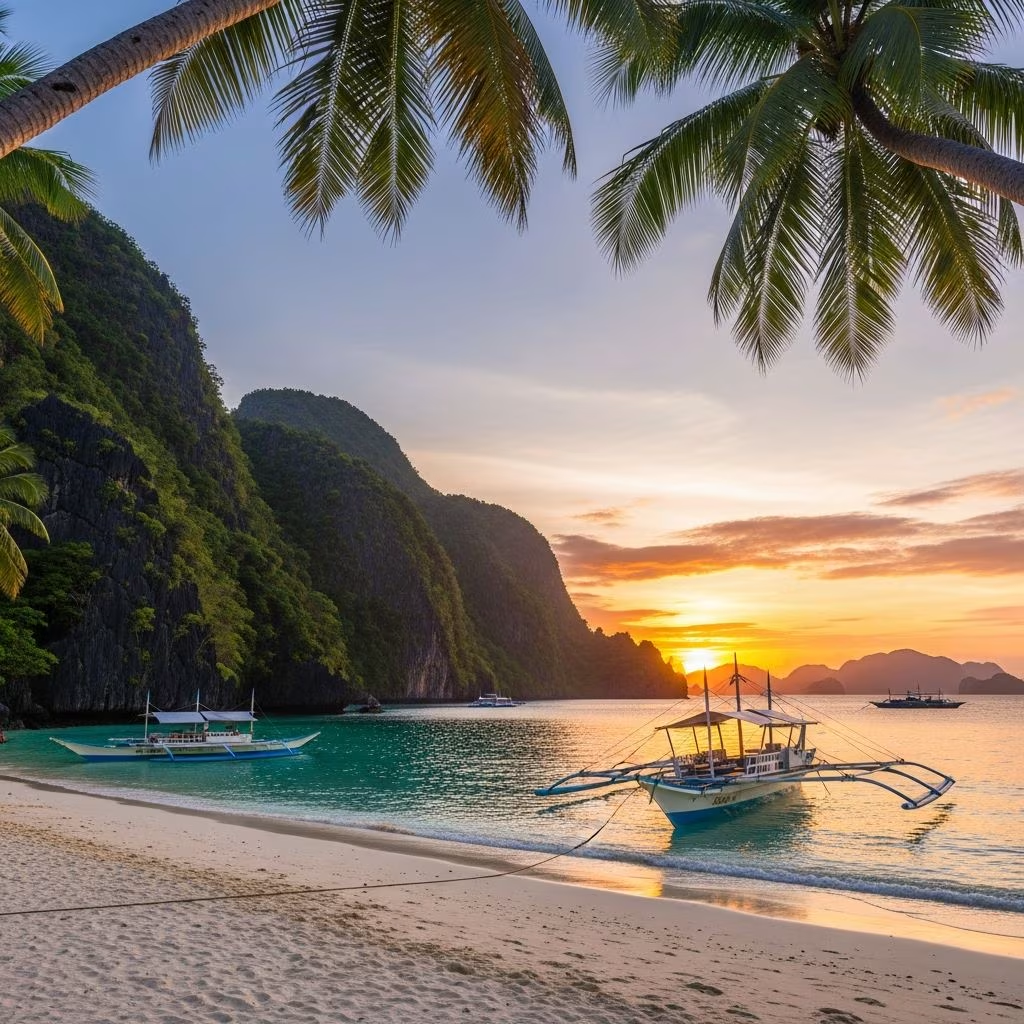
Comprehensive Philippines travel guide covering top destinations like Palawan, Siargao, Cebu, and Bohol, with tips on weather, food, itineraries, and practical advice for 2026 explorers.
 Travel Essentials
The Philippines, an archipelago of over 7,000 islands, offers unparalleled natural beauty, rich cultural heritage, and warm hospitality that captivate millions of visitors annually. From pristine beaches and world-class diving spots to lush rice terraces and vibrant festivals, this Southeast Asian gem provides endless opportunities for adventure and relaxation. Whether you’re a first-time traveler or a seasoned explorer, this guide equips you with essential insights for an unforgettable journey.
Spanning three main island groups—Luzon in the north, Visayas in the center, and Mindanao in the south—the Philippines boasts diverse landscapes, from volcanic peaks to coral-fringed atolls. Luzon hosts the bustling capital Manila and the ancient Banaue Rice Terraces, engineered by indigenous Ifugao people over 2,000 years ago. The Visayas region shines with Cebu’s urban energy and Bohol’s unique geological wonders, while Mindanao features Siargao’s surf mecca and Palawan’s untouched lagoons.
The tropical climate features wet and dry seasons, with regional microclimates adding variability. Ideal travel windows include January to April for sunny skies and calm seas, perfect for beach activities, though peak season means crowds and higher prices. Late November to December brings post-typhoon clarity, festive Christmas vibes, and fewer tourists. Always pack light layers, rain gear, and reef-safe sunscreen, as humidity hovers around 80% year-round.
Most international flights land at Ninoy Aquino International Airport (MNL) in Manila, a chaotic hub best navigated with pre-booked transfers. Domestic travel relies on a mix of budget airlines like Cebu Pacific and AirAsia, ferries for scenic inter-island hops, and bangkas (outrigger boats) for nearshore explorations. High-speed ferries connect Cebu to nearby islands efficiently, but always verify schedules as delays are common.
Road transport includes jeepneys—iconic, colorfully painted vehicles—and tricycles for short hops. Ride-hailing apps like Grab work in urban areas but falter in remote spots. For 2026, expect infrastructure upgrades easing access to popular sites, though flexibility is key amid traffic and weather disruptions.
Curate your itinerary around these standout spots, balancing adventure, relaxation, and culture.
For a 4-week itinerary, allocate time as follows: 2 days Manila, 4 days Coron/El Nido, 3 days Port Barton, 5 days Siargao, 4 days Bohol/Siquijor, with buffers for spontaneity.
| Week | Destinations | Highlights | Travel Tips |
|---|---|---|---|
| 1 | Manila & Palawan (Coron) | City sights, wreck diving | Fly direct; book tours ahead |
| 2 | El Nido & Port Barton | Lagoon kayaking, beach vibes | Bangka hops; eco-friendly operators |
| 3 | Siargao | Surf lessons, rock pools | Van rentals for flexibility |
| 4 | Cebu, Bohol, Siquijor | Whale sharks, hills, mysticism | Ferries; ethical wildlife viewing |
This flexible plan maximizes variety while minimizing backtracking.
Filipino food blends indigenous, Spanish, Chinese, and American influences into hearty, flavorful dishes. Must-tries include adobo (braised meat in vinegar-soy sauce), sinigang (sour tamarind soup), lechon (roast pig), and kinilaw (ceviche-like raw fish). Street eats like isaw (grilled intestines) and halo-halo (dessert mix) add zest. Seafood reigns supreme—fresh kinilaw in Palawan or kinilaw in Siargao. Vegetarian options abound with veggie lumpia and ginisang monggo. Dine at carinderias for authentic tastes or upscale spots in Cebu for fusion.
Pair meals with San Miguel beer or lambanog (coconut spirit). Hydrate with buko juice straight from young coconuts.
Timing your visit for fiestas amplifies the experience. Sinulog in Cebu (January) honors the Santo Niño with street dancing; Ati-Atihan in Kalibo (January) features tribal paint and revelry. Christmas season sparks giant parols (star lanterns) nationwide. Respect bayanihan (community spirit) by removing shoes indoors, using right hand for passing items, and smiling generously—Filipino hospitality, or “pakikisama,” thrives on warmth.
Engage with indigenous groups respectfully, supporting community tourism in places like Banaue.
Underwater enthusiasts flock to Tubbataha Reef (UNESCO site) and Apo Island for mantas and turtles. Siargao’s waves challenge pros, while beginners catch longboard lessons. Hike Bohol’s forests, kayak Palawan’s bays, or zipline in Cebu. Ethical whale shark swimming in Oslob requires operator research to avoid feeding practices.
Daily budgets range from $50 (budget backpacker) to $150+ (comfort). Flights $30-100 domestic; accommodations $20/hostel to $100/resort; meals $5-15. ATMs are widespread; carry pesos for remote areas. SIM cards from Globe or Smart offer cheap data.
Safety: Petty theft occurs in crowds; use common sense. Typhoon season (June-November) warrants weather apps. Health: Vaccinations for hep A/B, typhoid; drink bottled water. Sustainability: Choose reef-safe sunscreens, avoid single-use plastics, support local over mass tourism.
January to April for dry weather; avoid June-November typhoons.
Yes, with standard precautions; islands are welcoming.
2-3 weeks minimum for key spots; 4 weeks ideal.
Many nationalities get 30 days visa-free; check updates.
Bohol or Cebu for accessibility and variety.
