


 Food & Culture
Food & Culture
Phuket Town Travel Guide: History, Food, Art & Markets
Uncover Phuket Town's Sino-Portuguese heritage, lively street markets, street art, temples, and culinary delights in this guide to the island's cultural epicenter.
 Food & Culture
Phuket Town stands as the pulsating core of Phuket Island, offering a deep dive into Thailand’s layered history and traditions far removed from the sun-soaked beaches that draw millions. This urban enclave blends colonial-era buildings with modern artistic expressions, creating a destination that captivates history buffs, food lovers, and casual wanderers alike.
Unveiling the Architectural Legacy
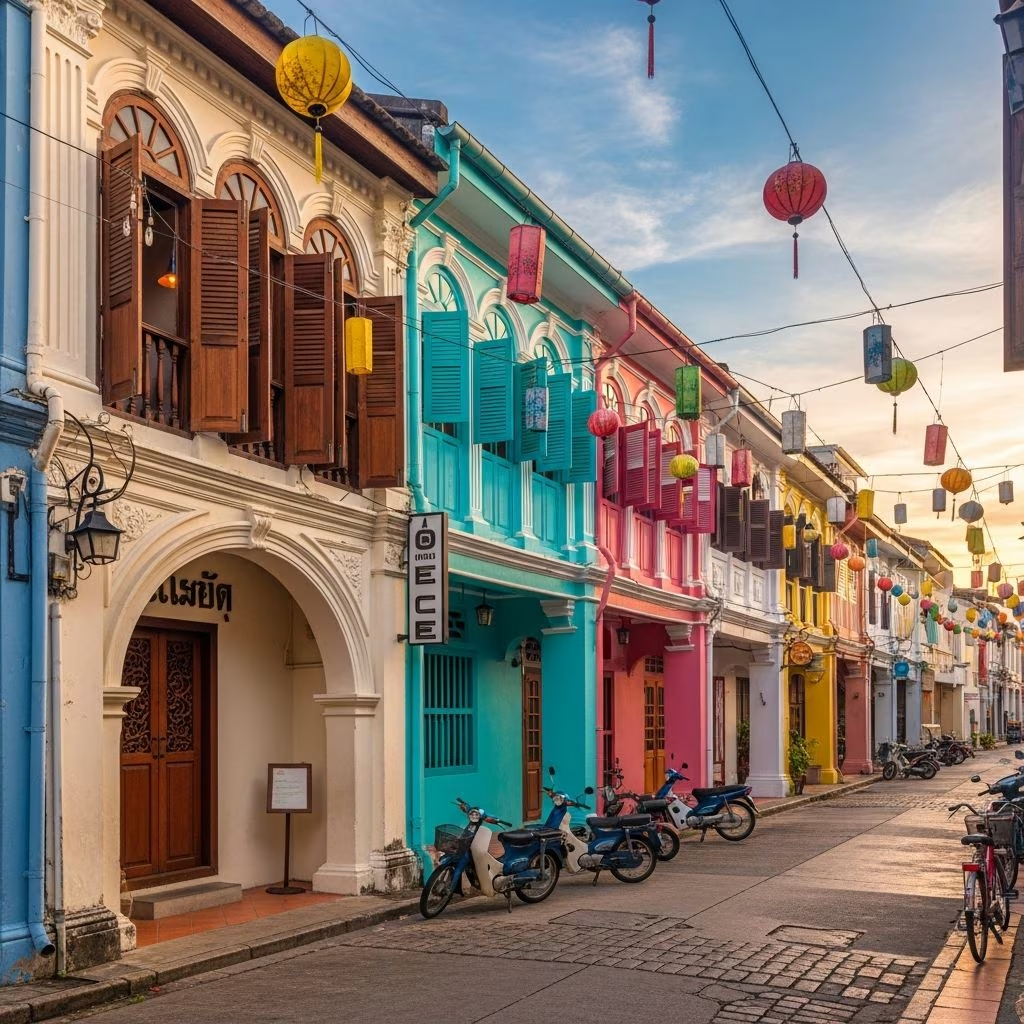
The streets of Phuket Town are a living gallery of **Sino-Portuguese architecture**, a fusion born from the 19th-century tin mining boom when Chinese merchants and European traders shaped the island’s skyline. These shophouses, with their pastel facades, ornate stucco work, and intricate Peranakan tiles, whisper tales of prosperity and cultural exchange.
Key landmarks include:
- Chinpracha House: A meticulously preserved residence showcasing the opulent lives of Sino-Thai elites, complete with Victorian furnishings and Greco-Roman columns.
- Phuket Thai Hua Museum: Housed in a former school, it chronicles the tin industry and early settler stories through artifacts and exhibits.
- On On Hotel: Iconic from the film The Beach, featuring distinctive whitewashed walls with sun motifs and balustraded designs.
Strolling Thalang Road reveals these gems at every turn, where restored buildings now host cafes and galleries, preserving the past while inviting contemporary use.
Sacred Spaces and Spiritual Traditions
Beyond architecture, Phuket Town’s temples and shrines offer serene escapes into Thai-Buddhist and Chinese spiritual practices. **Wat Mongkol Nimit**, established in the 1800s, boasts gilded chedis and tranquil courtyards ideal for reflection.
The **Shrine of the Serene Light** honors the Goddess of Mercy with vivid murals and carved wooden panels, drawing devotees for incense rituals and quiet prayers. Nearby, **Wat Chalong** commemorates a monk’s legendary intervention during labor unrest, its grand halls adorned with shimmering mosaics.
| Temple/Shrine | Historical Note | Key Feature |
|---|---|---|
| Wat Mongkol Nimit | 19th-century origins | Intricate architecture, peaceful gardens |
| Shrine of the Serene Light | Chinese deity worship | Vibrant carvings, daily ceremonies |
| Wat Chalong | 1876 labor dispute legend | Magic turban relic, massive prayer halls |
These sites underscore Phuket’s multicultural fabric, where Buddhism intertwines with Taoist influences.
Markets: A Sensory Explosion
Phuket Town’s markets pulse with life, serving as communal hubs for commerce and cuisine. The **Sunday Walking Street Market** transforms Thalang Road into a pedestrian paradise every weekend, featuring hundreds of stalls with handmade crafts, clothing, and street eats like grilled skewers, fresh mango sticky rice, and herbal teas.
For daily vibrancy, the **Downtown Fresh Market** buzzes from dawn, offering seafood, tropical fruits, and spices that reveal local diets. Vendors hawk everything from durian to dried squid, providing an authentic glimpse into Phuket residents’ routines.
- Best for foodies: Savory pad thai and roti from mobile carts.
- Shopping picks: Silver jewelry, batik fabrics, and wooden carvings.
- Tip: Arrive early to beat crowds and snag the freshest produce.
These markets not only sustain the community but also spotlight Phuket’s role as a 2026 top destination for gastronomic adventures.
Street Art and Creative Vibes
Contrasting the antique buildings, Phuket Town’s alleys burst with **contemporary street art**. Murals by local and international artists depict mythical creatures, social commentary, and island life, turning narrow lanes into open-air exhibits.
Key spots include hidden walls near the Sunday market, where vibrant pieces celebrate Thai folklore alongside modern graffiti. This artistic layer adds youthful energy, attracting photographers and creatives to explore on foot or rented bikes.
Culinary Journeys Through Flavors
Phuket’s cuisine reflects its Hokkien-Chinese, Muslim-Thai, and Peranakan roots, with Phuket Town as the epicenter. Beyond markets, dine at shophouse restaurants serving **Hokkien noodles**, spicy seafood curries, and fusion desserts.
Highlights:
- China Inn Cafe: Antique-filled spot with authentic Peranakan dishes in a red Sino-Portuguese setting.
- Street stalls on Thalang Road: Try massaman curry or fresh spring rolls.
- Hidden gems: Muslim-Thai eateries offering roti panjai and chicken satay.
Food tours or self-guided walks let visitors sample ethnic diversity, from tin miners’ staples to coastal specialties.
Day-to-Night Rhythms
By day, Phuket Town invites leisurely exploration; at dusk, it ignites with energy. Bars along Thalang Road offer craft cocktails, live jazz, and rooftop views, blending laid-back vibes with lively crowds.
Cultural performances, such as traditional dance shows during festivals, enhance evenings. For a quieter night, cafes serve Thai iced tea amid historic surrounds.
Practical Tips for Visitors
- Best time to visit: November to April for dry weather; Sundays for the walking market.
- Getting around: Rent scooters, use songthaews, or walk the compact core.
- Accommodation: Boutique hotels in restored shophouses like On On for immersion.
- Budget: Meals under 100 THB; entry fees minimal at most sites.
Frequently Asked Questions (FAQs)
What makes Phuket Town different from Phuket’s beaches?
While beaches offer relaxation, Phuket Town delivers cultural depth with history, art, and food in a walkable urban setting.
Is Phuket Town safe for solo travelers?
Yes, it’s generally safe with low crime; stick to well-lit areas at night and watch for traffic.
How long should I spend in Phuket Town?
2-3 days to cover highlights, markets, and a day trip; extend for festivals.
Are there vegetarian options in the markets?
Abundant: Try veggie pad thai, fruit shakes, and temple vegetarian buffets.
Can I visit Phuket Town without a guide?
Absolutely; maps and signage suffice, though guided tours add historical context.
Why Phuket Town Captivates in 2026
Lonely Planet’s nod to Phuket as a top 2026 spot emphasizes Town’s markets, cuisine, and heritage, positioning it as essential for authentic Thai travel.
From dawn markets to sunset bars, Phuket Town weaves history, art, and flavor into a tapestry that enriches any island itinerary. Plan your visit to experience Thailand’s soul beyond the sands.
References
- Phuket Town: A Cultural Tapestry of History and Heritage — Travel with Destinationz. N/D. https://www.travelwithdestinationz.com/all-blog-posts/phuket-town-cultural-tapestry
- Phuket Named as One of the World’s Best Destinations for 2026 by Lonely Planet — The Luxury Signature. 2025-11-26. https://www.theluxurysignature.com/2025/11/26/phuket-named-as-one-of-the-worlds-best-destinations-for-2026-by-lonely-planet/
- A guide to Phuket — Lonely Planet. N/D. https://www.lonelyplanet.com/articles/guide-to-phuket
- Phuket travel — Lonely Planet. N/D. https://www.lonelyplanet.com/destinations/thailand/phuket-province
- Phuket named among the world’s 25 best destinations for 2026 by Lonely Planet — What’s On In Phuket. N/D. https://www.whatsoninphuket.com/phuket-named-among-the-worlds-25-best-destinations-for-2026-by-lonely-planet/
← Previous
Travel Addiction: Signs, Science & How to Balance Wanderlust
Next →
Shopping in Kyiv: Best Streets, Malls, Markets & Local Finds
Related Reading
More in Food & Culture
Food & Culture Food & Culture
 Food & Culture
Best Places to Eat in Rome: Neighborhood Dining Guide
 Food & Culture
 Food & Culture