


 Food & Culture
Food & Culture
Pike Place Market Seattle Guide: History, Food, Shops & Tips
Explore the vibrant world of Pike Place Market, from its 1907 origins to must-visit stalls, fresh seafood, crafts, and practical visitor advice in this comprehensive guide.
 Food & Culture
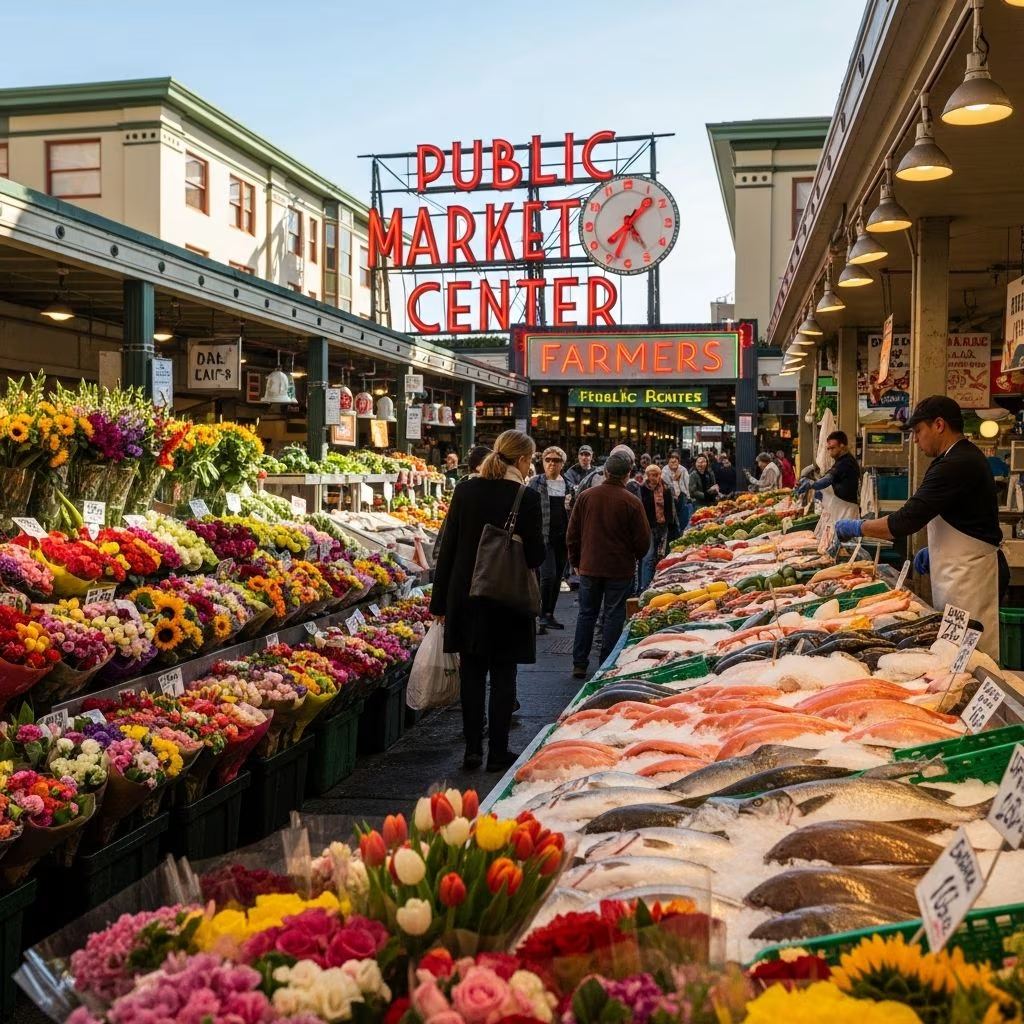
Seattle’s Pike Place Market stands as a timeless hub of commerce, culture, and community, drawing millions annually to its bustling stalls and historic charm. Nestled on a hillside overlooking Elliott Bay, this sprawling nine-acre district offers fresh produce, seafood, artisan goods, and unique experiences that capture the essence of the Pacific Northwest.
Roots of a Legendary Marketplace
The story of Pike Place Market begins amid early 20th-century economic frustrations. Soaring produce prices—onions leaping from 10 cents to a dollar per pound—sparked outrage among consumers and farmers alike, who felt squeezed by middlemen commission houses. In response, Seattle City Council President Thomas Revelle championed Ordinance 16636, designating land on the west side of Pike Place for a public farmers’ market to connect producers directly with buyers.
On August 17, 1907, the market flung open its gates, instantly popular. Within months, it hosted 64 farmers daily and 300,000 monthly visitors by 1909. What started as an open-air venue evolved rapidly; private developers expanded it with buildings like the Corner Market and Sanitary Public Market, cementing its role as Seattle’s vital food source.
Immigrant contributions shaped its growth. Japanese farmers, arriving in 1912, overcame discrimination to supply three-quarters of King County’s produce and half its milk by the 1920s. Listed on the National Register of Historic Places in 1972, the market’s cultural legacy endures, preserved for future generations. Today, it thrives as one of America’s oldest continuously operating public markets, fostering small businesses and ‘Meet the Producer’ interactions.
Navigating the Market’s Multi-Level Wonder
Pike Place Market sprawls across multiple levels on a steep hill, from the lively main arcade down to lower tiers with hidden gems. The upper street level buzzes with fishmongers, produce stands, and craft vendors under covered arcades. Daily-rented tables ensure fresh, local offerings year-round.
- Main Arcade: Heart of the action, lined with seafood tossers and flower stalls.
- Lower Levels: Quieter spots for crafts, antiques, and eateries with bay views.
- Post Alley: Narrow lanes hiding bars, galleries, and street performers.
- Triangle Building: Edgy vibe with indie shops and live music.
Over 20 million visitors navigate its 500+ businesses annually, making crowd awareness key.
Iconic Experiences That Define a Visit
No trip is complete without witnessing the famous fish-throwing at Pike Place Fish Market. Vendors hurl 20-pounders skyward in a theatrical display born from boosting morale during tough times. Nearby, the original Starbucks (1971) brews history, though lines snake long—opt for a quick photo instead.
Rachel the Piggy Bank, a 4,000-pound bronze swine sculpted in 1985, collects donations for social services, tallying over $250,000 yearly. Gum Wall in Post Alley, a sticky mosaic of chewed tributes since the 1990s, repels some but fascinates others—approach with caution.
Fragrant Flower Frenzy
Seattle’s flower market blooms here year-round. Stalls overflow with dahlias, peonies, and seasonal specialties at budget prices—perfect souvenirs or picnic accents.
Foodie Heaven: Must-Try Eats and Vendors
Pike Place tempts with Pacific Northwest flavors. Fresh Dungeness crab, wild salmon, and geoduck clams shine at seafood spots. Beyond fish:
| Vendor Type | Highlights | Location Tip |
|---|---|---|
| Seafood | Flying fish, oyster bars, chowder cups | Main arcade, watch the toss! |
| Baked Goods | Pike Place Chowder’s award-winning clam chowder, Le Panier French pastries | Lower level for chowder lines |
| Produce | Organic berries, heirloom tomatoes from local farms | Arcade stalls, best mornings |
| International | Matt’s Gourmet Hot Dogs (lamb gyro dogs), Mee Sum Pastry dim sum | Scattered; seek Post Alley |
| Sweets | Pike Place Chocolate’s truffles, Frankie & Jo’s plant-based ice cream | Triangle for vegan options |
Vegetarians rejoice in abundance: mushroom foraging demos, vegan crepes, and foraged mushroom stalls. Pro tip: Sample free fruits at produce stands.
Shopping Treasures for Every Taste
Beyond edibles, artisans offer one-of-a-kind finds:
- Crafts: Handmade jewelry, pottery, and prints from local makers.
- Books & Music: Left Bank Books for indies, cellars for vinyl hunts.
- Unique Gifts: Sur La Table kitchenware, soap makers with lavender bars.
- Antiques: Lower levels host vintage clothing and collectibles.
Support women- and minority-owned businesses via Market directories.
Practical Visitor Strategies
Best Times to Explore
- Weekdays 10am-3pm: Fewer crowds, prime produce picks.
- Saturdays: Farmer influx, but arrive early.
- Avoid: Weekends post-noon, cruise ship days (Tues-Thurs).
Getting There & Around
Walk from downtown or Pike Place Market monorail stop. Parking scarce—use public garages or rideshares. Free shuttles loop nearby attractions.
Accessibility & Etiquette
Ramps and elevators aid navigation, though stairs dominate. No pets (service animals OK); photography fine but respect vendors. Cash handy for small stalls; cards widely accepted.
Seasonal Highlights and Events
Spring brings tulip festivals; summer hosts live music series. Fall harvest markets feature pumpkins; winter holidays light up with crafts fairs. Check pikeplacemarket.org for schedules.
Frequently Asked Questions
What are Pike Place Market’s hours?
Daily 9am-6pm (some stalls vary); fishmongers from 7am.
Is it free to enter?
Yes, open to all—no admission fee.
Can I bring my dog?
No pets allowed inside for health reasons.
Where to park?
Use Pike Place Garage or nearby lots; validate for discounts.
Best chowder spot?
Pike Place Chowder—multiple awards, massive portions.
How to avoid crowds?
Visit early mornings or explore lower levels.
Preserving the Market’s Future
Recent renovations blend modernization with heritage, expanding public spaces while honoring its 1907 roots. As an incubator for small businesses, it remains Seattle’s ‘Soul’, blending commerce with community good.
References
- Pike Place Market Centennial – CityArchives — Seattle.gov. 2023. https://www.seattle.gov/cityarchives/exhibits-and-education/online-exhibits/pike-place-market-centennial
- Pike Place Market History — Pike Place Market. 2024. https://www.pikeplacemarket.org/market-history/
- Pike Place Market — Wikipedia. 2026-04-20. https://en.wikipedia.org/wiki/Pike_Place_Market
- 16 Things You May Not Know About Pike Place Market — Pike Place Market. 2023. https://www.pikeplacemarket.org/16-things-you-may-not-know-about-pike-place-market/
- Pike Place Market — Visit Seattle. 2024. https://visitseattle.org/things-to-do/sightseeing/pike-place-market/
- An Immigrant History of Pike Place Market — Edible Seattle. 2022-08-01. https://edibleseattle.com/explore/origin-story/an-immigrant-history-of-pike-place-market/
On This Page
Roots of a Legendary Marketplace Navigating the Market's Multi-Level Wonder Iconic Experiences That Define a Visit Foodie Heaven: Must-Try Eats and Vendors Shopping Treasures for Every Taste Practical Visitor Strategies Seasonal Highlights and Events Frequently Asked Questions Preserving the Market's Future← Previous
Madeira Travel Guide for First-Time Visitors
Next →
Paris on a Budget: How to Visit the City of Light for Less
Related Reading
More in Food & Culture
Food & Culture Food & Culture
 Food & Culture
Best Places to Eat in Rome: Neighborhood Dining Guide
 Food & Culture
 Food & Culture