

 Travel Essentials
 Travel Essentials

Complete preparation guide covering weather, packing, regional exploration, cultural insights, and practical travel tips for visiting Scotland.
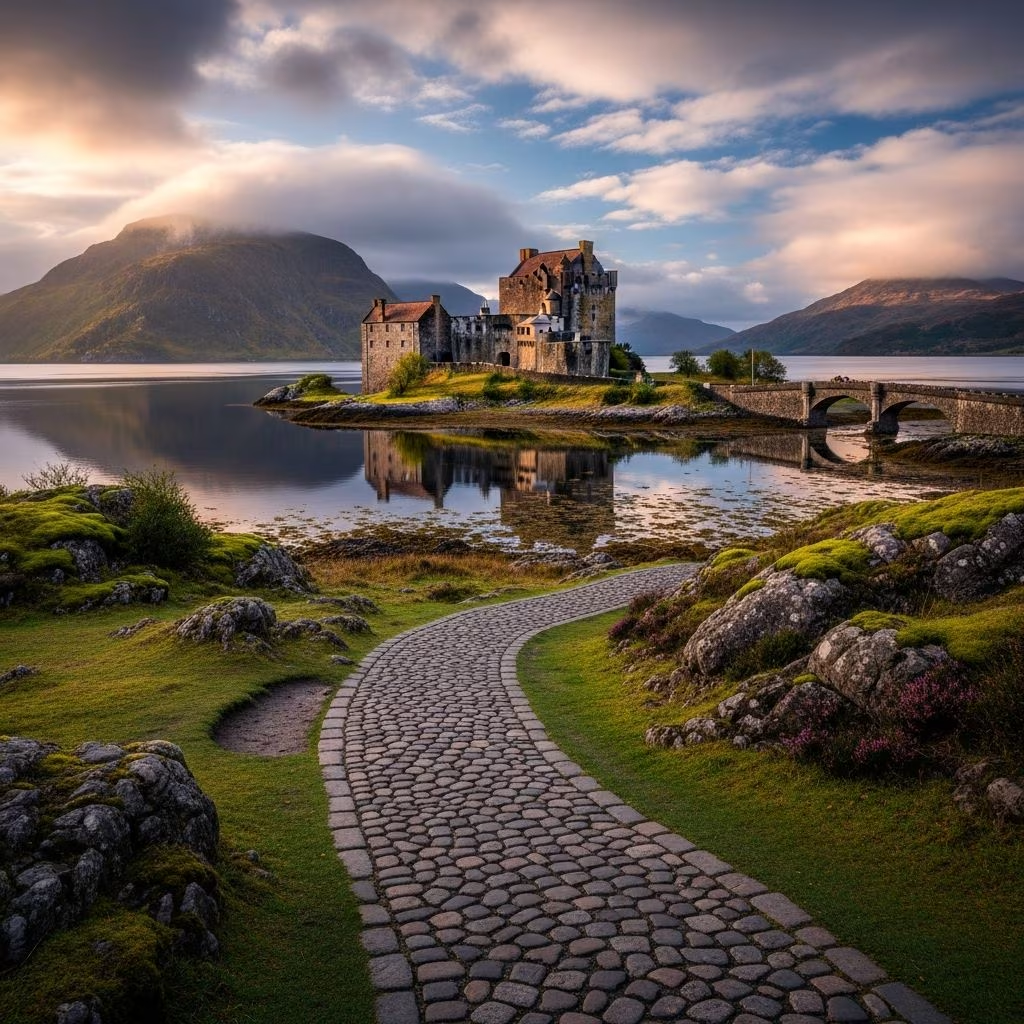 Travel Essentials
Planning a trip to Scotland requires thoughtful preparation and realistic expectations. This guide addresses the key considerations that will enhance your experience and help you avoid common first-time visitor mistakes.
Scotland’s weather is notoriously unpredictable and frequently misunderstood by international travelers. Rather than assuming constant rain, visitors should prepare for rapid weather fluctuations. A single day can present sunshine, wind, rain, and even unexpected cold within hours.
The most effective approach involves strategic layering rather than heavy coats. Pack:
A local saying captures this philosophy perfectly: “There is no such thing as bad weather, just the wrong clothing.” This mindset, combined with proper preparation, transforms weather from a hindrance into simply part of the Scottish experience.
Timing significantly impacts your Scotland experience. Summer, particularly August, represents peak tourist season with Edinburgh hosting its famous festival celebrations. However, this period brings crowds, higher prices, and accommodation scarcity.
Scotland’s regions offer distinct seasonal advantages:
| Season | Best For | Considerations |
|---|---|---|
| Summer (June-August) | Festival events, longest daylight, Highland Games | Peak crowds, premium pricing, limited availability |
| Autumn (September-November) | Fewer tourists, dramatic landscapes, milder weather | Shorter daylight hours, unpredictable conditions |
| Winter (December-February) | Hogmanay celebrations, winter festivals, low costs | Cold temperatures, reduced daylight, some closures |
| Spring (March-May) | Blooming landscapes, moderate crowds, pleasant conditions | Variable weather, shorter travel season |
Scotland comprises approximately 15 distinct regions, each offering unique characteristics. First-time visitors often follow the “tourist triangle” connecting Edinburgh, the Isle of Skye, and Inverness, which, while worthwhile, represents only a fraction of available experiences.
Rather than attempting comprehensive coverage, consider two strategic approaches:
Select one or two regions for thorough investigation. This approach permits meaningful engagement with local culture, allows for spontaneous discoveries, and reduces travel fatigue. Many famous attractions have excellent alternatives within closer proximity to your base location.
Combine urban experiences with countryside exploration, mixing celebrated landmarks with lesser-known locations. This provides comprehensive perspective without overwhelming your schedule. Research beyond mainstream recommendations to uncover distinctive experiences aligned with your interests.
Scotland boasts approximately 1,500 castles scattered throughout its landscape, ranging from skeletal ruins to fully inhabited ancestral estates. This extraordinary density of historical structures means castle exploration is feasible regardless of which region you visit.
Notable examples include:
Many castles remain privately inhabited or operate as stately homes open for visitation, offering authentic glimpses into Scottish aristocratic life.
Scotland’s countryside offers exceptional hiking, walking, and outdoor experiences. The country recognizes a “right to responsible access,” permitting public movement through glens and hillside terrain provided visitors follow the Scottish Outdoor Access Code. This framework enables extensive exploration beyond traditional tourist trails.
Outdoor pursuits range from leisurely seaside walks to challenging mountain expeditions. This diversity accommodates varying fitness levels and interests. However, responsible behavior—respecting private property, following marked trails, and adhering to environmental guidelines—ensures continued public access privileges.
Scottish midges and ticks represent legitimate concerns for hikers and outdoor enthusiasts, particularly during warmer months. These small insects can substantially diminish outdoor enjoyment if unprepared.
Protective measures include:
Contemporary Scotland extends far beyond kilts, bagpipes, and stereotypical imagery. While these cultural elements exist and hold significance, they represent only fragments of Scottish identity. Modern Scotland encompasses diverse communities, innovative industries, progressive perspectives, and multifaceted heritage.
Authentic engagement involves:
Scotland demands practical walking shoes. Expect significant pedestrian activity across cities, countryside, and coastal areas. Uncomfortable footwear can substantially diminish enjoyment.
Recommended footwear strategy:
Leave intentional space in your luggage. Scotland offers excellent shopping opportunities, from artisanal crafts to quality goods, and visitors frequently wish to transport purchases home. Additionally, lighter luggage facilitates easier movement through cities and countryside.
Strategic packing principles:
Scotland’s rail network provides efficient transportation between major cities and regions. Train travel offers convenience, comfort, and opportunities to observe landscapes while avoiding driving challenges. For visitors uncomfortable with left-side driving or unfamiliar with Scottish roads, rail represents an excellent alternative.
Public transportation extends beyond railways, including buses, coaches, and ferries connecting islands and coastal communities. Planning transportation ahead prevents last-minute complications and permits booking discounts.
Scotland uses the British pound sterling. While English currency circulates, Scottish banknotes exist as distinct legal tender. Verify accommodation and businesses accept your payment methods before arrival. Card payments are widely accepted in urban areas, though rural locations may prefer cash.
English serves as the primary language throughout Scotland. While Gaelic holds cultural significance and appears on signage, few residents speak it exclusively. Standard English suffices for travel purposes, though Scottish accents and local expressions may initially require adjustment.
Optimal Scottish visits incorporate both urban cultural experiences and natural countryside exploration. Cities like Edinburgh and Glasgow offer museums, galleries, restaurants, and entertainment venues, while rural regions provide landscape beauty, outdoor activities, and authentic cultural experiences. Balancing both enriches overall perspective and prevents one-dimensional travel experience.
Skip mass-produced tourist merchandise. Scotland produces exceptional artisanal goods including textiles, ceramics, whisky, shortbread, and locally-crafted items. Supporting independent artisans and local businesses provides authentic keepsakes while contributing to Scottish communities.
No. While Scotland receives regular precipitation, continuous rain is uncommon. Frequent weather changes occur, necessitating proper layering and waterproof protection rather than assuming perpetual downpours.
Technically yes, though Scottish institutions prefer pounds sterling. Scottish businesses accept English currency, but Scottish banknotes represent distinct legal tender and hold equal value.
Midges can substantially affect outdoor enjoyment during warmer months. However, proper insect repellent, protective clothing, and timing outdoor activities strategically minimize impact.
No. While Gaelic holds cultural importance and appears in place names and signage, English dominates as the primary language.
Yes, under the Scottish Outdoor Access Code framework. Public right-of-way access permits movement through countryside provided visitors respect private property, follow established trails, and maintain environmental responsibility.
Scotland rewards thorough preparation with exceptional experiences. Understanding these fundamental considerations enables visitors to navigate challenges confidently and maximize their Scottish adventure. Whether exploring historic castles, hiking dramatic landscapes, or engaging with vibrant urban culture, proper preparation transforms potential complications into manageable aspects of a memorable journey.
