

 Travel Essentials
 Travel Essentials

Complete guide to Porto featuring historic landmarks, wine experiences, culinary adventures, and scenic viewpoints for travelers of all interests.
 Travel Essentials
Porto stands as Portugal’s second-largest city and a destination that seamlessly blends centuries of tradition with contemporary energy. Perched along the Douro River, this enchanting locale has captured the hearts of travelers worldwide through its distinctive character, architectural splendor, and world-renowned port wine culture. The city’s identity is deeply rooted in its industrial heritage, natural beauty, and the unmistakable pride of its residents who have shaped this destination into one of Europe’s most compelling urban experiences.
Located in northern Portugal, Porto serves as a gateway to numerous cultural and natural wonders. The city benefits from a temperate Atlantic climate that creates ideal conditions for exploration throughout most of the year. What makes Porto particularly special is its UNESCO World Heritage historic center, which encompasses over a century of authentic Portuguese architectural evolution. The Douro River fundamentally defines the city’s character, flowing through its center and crossed by six remarkable bridges that have become iconic symbols of Porto’s engineering prowess and aesthetic appeal.
The city’s geography creates distinct neighborhoods, each offering unique experiences. From the medieval charm of historic districts to the peaceful atmosphere of riverside neighborhoods, Porto’s varied topography ensures that different traveler preferences find suitable activities and attractions.
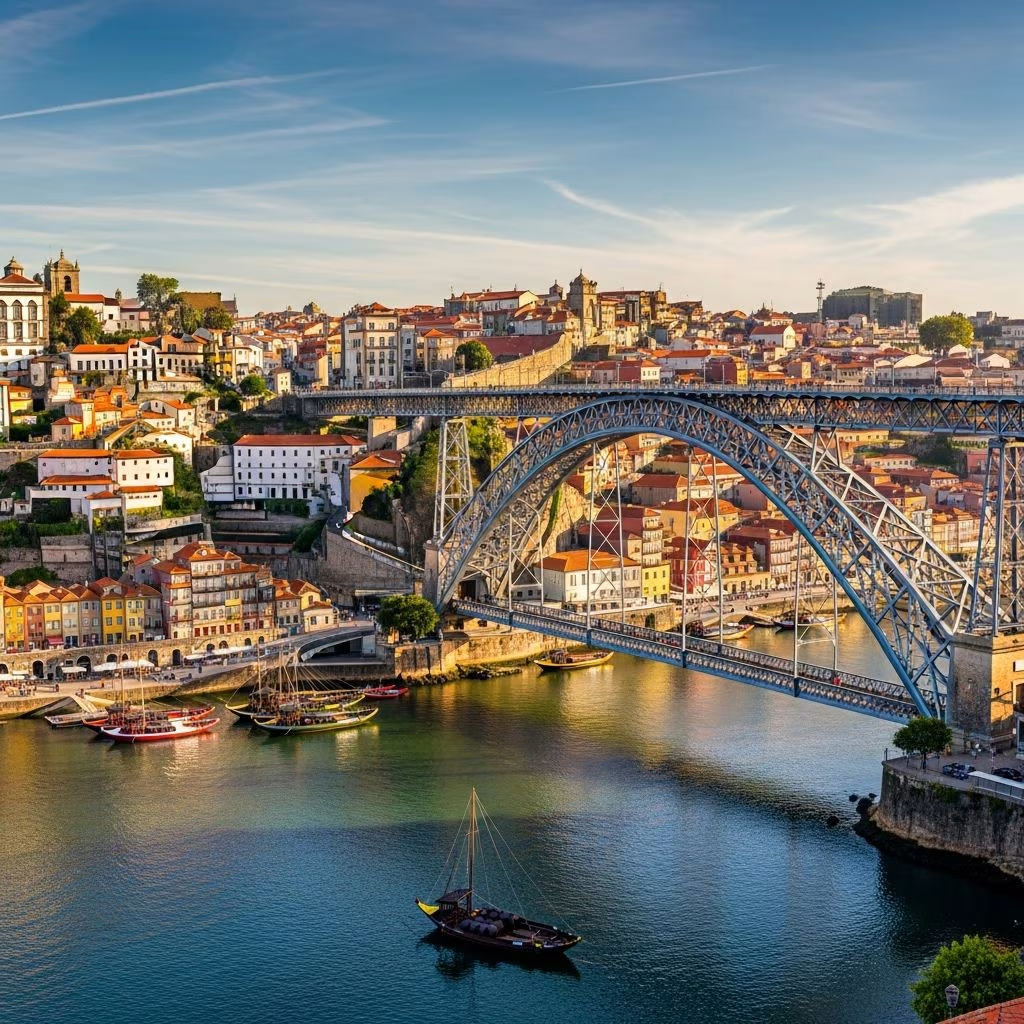
The Ribeira district represents the soul of Porto’s heritage and should anchor any visitor’s itinerary. This UNESCO World Heritage site features a mesmerizing maze of narrow cobblestone alleys, centuries-old buildings adorned with traditional Portuguese azulejo tiles, and colorful facades that have witnessed generations of history. Walking through these medieval streets provides an immersive experience that transports visitors to earlier centuries while remaining vibrant with contemporary life.
The district’s charm intensifies along the riverfront, where historic houses in faded pastels and warm hues seem to tumble toward the water. Street musicians, local vendors, and riverside restaurants create an atmosphere that perfectly captures Porto’s blend of authenticity and welcoming spirit. The Ribeira district isn’t merely a collection of buildings but rather a living testament to Portuguese resilience and cultural continuity.
Several landmarks have become synonymous with Porto’s identity and appear in nearly every visitor’s photo collection. These structures represent different architectural periods and historical contexts, collectively telling the story of the city’s evolution.
The Clérigos Tower stands as one of Porto’s most recognizable landmarks, dominating the city’s skyline with its Baroque elegance. This 225-step climb rewards visitors with sweeping panoramic views that showcase Porto’s urban landscape in its entirety. The tower serves as an ideal vantage point for understanding the city’s geographic layout and appreciating how various districts connect across the river. The best times to visit are either early morning or near sunset, when lighting conditions create dramatic photographic opportunities.
The iconic two-tier bridge spanning the Douro River represents a masterpiece of 19th-century engineering and has become Porto’s most photographed monument. This double-decker structure permits vehicle traffic on the lower level while accommodating both pedestrians and the D line metro on the upper deck. Visitors can experience the bridge from multiple perspectives—walking across the upper level for expansive river views or strolling along the lower pathway immediately adjacent to the water’s surface. The bridge offers particularly stunning vistas during golden hour when the setting sun bathes the entire scene in warm light.
Porto’s religious buildings showcase extraordinary artistic and architectural achievement. The São Francisco Church stands out as a Gothic structure extravagantly decorated with Baroque gold leaf, creating an interior of breathtaking opulence. The Sé Cathedral, with its distinctive Gothic features and the ornate Igreja do Carmo featuring beautifully tiled exterior walls, exemplifies the city’s commitment to preserving and celebrating its spiritual heritage.
Porto’s global reputation extends largely from the production and export of port wine, the fortified wine that carries the city’s name. The cellars of Vila Nova de Gaia, located across the river from historic Porto, represent centuries of winemaking tradition and remain accessible for educational tours and tastings.
Several established port lodges have earned recognition for exceptional visitor experiences. Taylor’s Port Lodge distinguishes itself by offering a self-guided tour with audio guide technology, providing flexibility for those preferring independent exploration. Grahams, Calem, and Kopke represent alternative cellar options, each offering distinctive tours and tasting sessions. Quinta Do Bom Dia and Augustos accommodate walk-in visitors without requiring advance booking, making them accessible options for spontaneous wine enthusiasts.
For those seeking guided experiences, the City Lovers Port Wine Walking Tour combines evening food and wine exploration with expert local guidance. These comprehensive tours typically cover cellar visits, tastings, and paired food selections, creating immersive cultural experiences that extend beyond simple wine sampling into broader Portuguese culinary traditions.
Porto’s food scene reflects both traditional Portuguese cooking methods and innovative contemporary cuisine. The city offers numerous opportunities for culinary exploration that extend beyond casual dining into guided gastronomic experiences.
Specialized food tour companies have developed routes through Porto’s culinary landscape. Taste Porto has earned particular recognition for accommodating solo travelers and offering vintage tours that showcase historic food traditions alongside modern establishments. The Blue Dragon food and wine walking tour provides comprehensive coverage of local cuisine paired with beverages, offering educational context for understanding Portuguese food culture. For exceptional restaurant experiences, Tasco has garnered praise for outstanding food quality and service that exemplifies Porto’s commitment to culinary excellence.
The Mercado do Bolhão provides authentic insight into how locals source ingredients and conduct daily food commerce. This traditional market bustles with vendors selling fresh produce, fish, cheese, and regional specialties. Walking through the market’s crowded aisles offers sensory immersion in Portuguese food culture and opportunities to sample regional products while interacting with longtime vendor families.
Porto offers diverse shopping experiences ranging from high-street retail to independent boutiques and historic commercial streets. Rua de Santa Catarina functions as the bustling heart of local shopping, where contemporary stores intermingle with traditional Portuguese businesses. Nearby, Rua do Almada provides a more refined shopping experience with curated boutiques and specialty shops. Rua das Flores offers additional shopping options while its strategic location provides easy access to other attractions.
The iconic Livraria Lello bookstore transcends typical retail experiences, functioning as a cultural institution and historical landmark that has inspired numerous authors and artists throughout its storied existence.
The Douro River fundamentally shapes Porto’s character and offers numerous recreational and sightseeing opportunities.
River cruises provide relaxed perspectives of Porto’s architecture and landscape from unique vantage points. Traditional one-hour lazy cruises offer some of the city’s most captivating views, while smaller speedboat options deliver more intimate and flexible experiences compared to large cruise vessels. These tours typically depart from the Ribeira district and showcase bridges, hillside architecture, and the surrounding landscape from water-level perspectives unavailable from land-based viewpoints.
The Jardim do Morro provides one of Porto’s most celebrated sunset locations, where crowds gather during golden hour to witness the sun’s descent over the Ribeira district and bridge while local musicians often perform spontaneous concerts. Multiple viewpoints along the riverfront stairways offer excellent alternatives for sunset observation without extreme crowding. The Farolim de Felgueiras lighthouse at Foz creates another excellent sunset location, where Atlantic Ocean views combine with atmospheric lighting to create memorable photographic opportunities.
Porto’s location provides convenient access to regional attractions extending visitor experiences beyond the city proper. The Douro Valley wine region, beginning near Porto, enables visitors to explore prestigious wine-producing estates, learn about local winemaking traditions, and sample regional wines in their geographic and cultural contexts. These day excursions typically require 4-7 hours but reward visitors with exceptional natural landscapes and agricultural heritage insight.
The Foz district at the Douro River’s mouth offers peaceful ambiance with beaches, riverside walks, and laid-back atmosphere suitable for those seeking respite from urban density.
Porto features various transportation options including the iconic tram system, metro services, and pedestrian-friendly neighborhood layouts. The historic São Bento train station itself functions as an attraction, showcasing azulejo tiles and architectural distinction while facilitating regional travel connections. Understanding local transportation enables efficient navigation between districts and attractions while reducing reliance on expensive taxi services.
Optimal Porto exploration requires varying durations based on individual interests and travel constraints. A minimum two-day visit allows basic historic district exploration, landmark visits, and initial cultural immersion. However, 3-4 days provides substantially more comprehensive experiences, enabling visits to Ribeira, the Lello bookstore, Clérigos Tower, cellar tours, and potential excursions to regional destinations like the Douro Valley or coastal beaches.
Day one typically encompasses the historic center, including São Bento train station, Torre dos Clérigos, Igreja do Carmo, Avenida dos Aliados plaza, Sé cathedral, Ribeira district exploration, Igreja de São Francisco, and Palácio da Bolsa, with afternoon activities potentially including boat cruises or classic tram rides. Day two focuses on the Ponte Luís I bridge experience from both levels, port cellar visits including establishments like Cálem, Sandeman, and Ferreira, and exploration of the Foz district.
Porto’s temperate Atlantic climate makes the city accessible year-round, though spring and fall offer particularly pleasant conditions with mild temperatures and lower rainfall. Summer attracts larger crowds while winter provides quieter experiences, though occasional rainy days require flexible planning.
While 2-3 days allows basic exploration, 4 days enables more comprehensive experiences including day trips to regional attractions. Solo travelers and those with specific interests like wine or cuisine may benefit from extended stays.
While port wine represents important cultural heritage, cellar visits aren’t mandatory. The city offers equally rewarding experiences through architectural exploration, culinary adventures, and riverside activities for those uninterested in wine tourism.
Porto maintains reputation as a budget-friendly destination with numerous affordable hostels, inexpensive restaurants, and many free or low-cost attractions accessible to budget-conscious visitors.
The Ribeira district, despite tourist crowds, remains secure with consistent police presence. Vila Nova de Gaia across the river offers similarly safe environments, while residential neighborhoods maintain respectful atmospheres for visitors exercising standard travel precautions.
