

 Travel Essentials
 Travel Essentials

Complete travel guide to Porto featuring top attractions, dining experiences, and practical tips for exploring Portugal's vibrant second city.
 Travel Essentials
Porto stands as Portugal’s dynamic second city, a destination that seamlessly blends centuries of history with contemporary vitality. Perched on the banks of the Douro River in northwestern Portugal, this UNESCO World Heritage site attracts travelers seeking authentic European experiences without the overwhelming crowds found in larger capitals. The city’s unique character emerges from its distinctive architecture, world-renowned wine heritage, and the authentic warmth of its residents who take pride in their city’s identity distinct from Lisbon.
Located along the Atlantic coast, Porto has served as a significant maritime and trading hub for centuries. The city’s strategic position on the Douro River transformed it into a commercial powerhouse, and this heritage remains evident throughout its streets and landmarks. The combination of over 100 kilometers of Atlantic coastline and centuries-old urban architecture creates a distinctive atmosphere that sets Porto apart from other European destinations. The city’s elevation changes and riverside positioning create natural viewpoints and varied perspectives that reward exploration.
The cultural identity of Porto reflects its complex historical journey. From Roman occupation through Moorish influences, Napoleonic invasions, and the Portuguese Civil War, each historical period left its imprint on the city’s architecture and character. This layered history becomes apparent as visitors navigate medieval streets adjacent to Baroque churches and contemporary establishments.
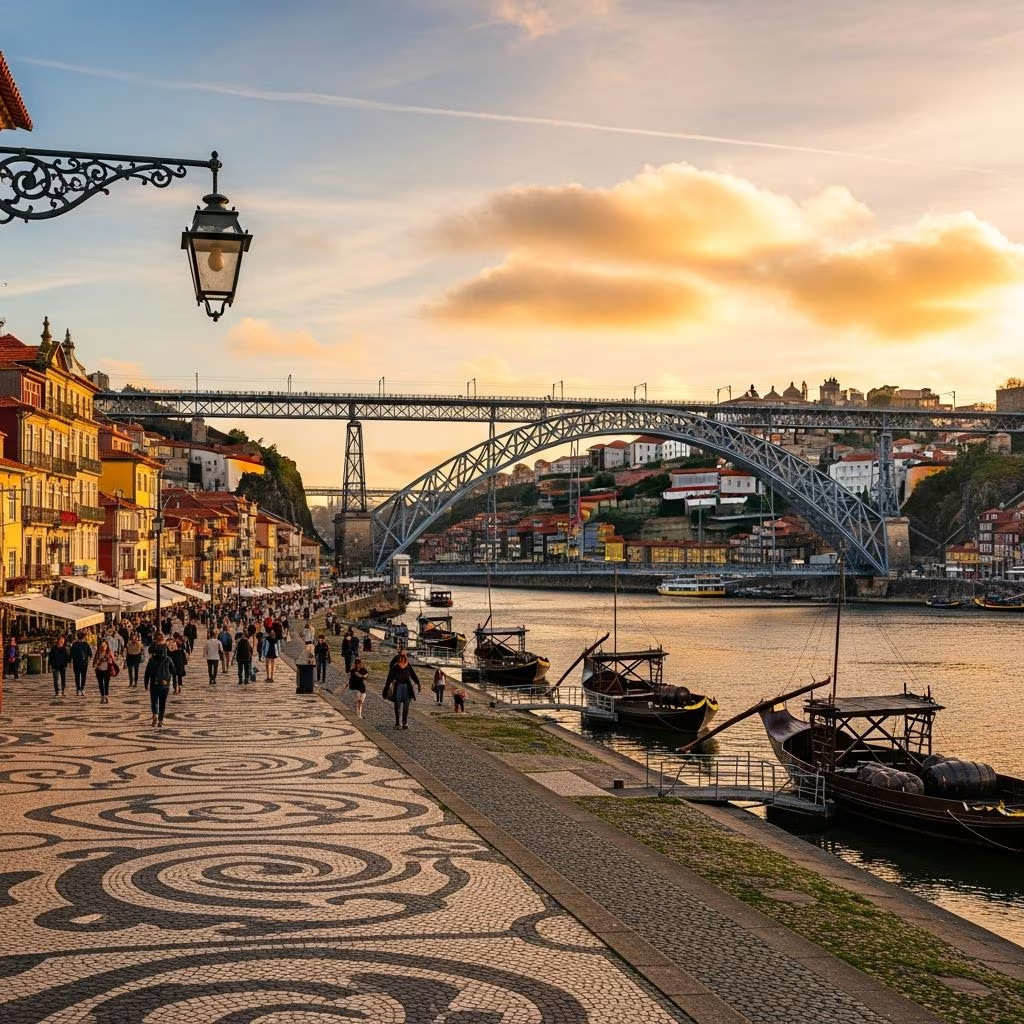
Understanding Porto’s district layout helps visitors maximize their exploration. The historic Ribeira district forms the heart of the old city, serving as a UNESCO World Heritage site that captures medieval Porto in its narrow lanes and colorful buildings. This riverside neighborhood pulses with activity, particularly in the evening when restaurants fill and the golden light reflects off the Douro.
The Aliados area functions as Porto’s political and financial center, featuring impressive civic architecture despite ongoing development projects. Two streets deserve particular attention for their vibrant character: Rua de Santa Catarina and Rua das Flores consistently attract locals and visitors with their diverse shops, restaurants, and authentic Porto atmosphere. These thoroughfares capture the essence of contemporary urban Porto while maintaining historical charm.
Across the Douro River lies Vila Nova de Gaia, historically developed as the wine storage and production area. Today, this district remains central to any Porto visit, housing the famous port wine lodges and cellars that have aged Portugal’s most celebrated wine for centuries.
Porto’s skyline revolves around several distinctive structures that have become symbols of the city:
Travelers frequently notice the distinctive ceramic tiles adorning Porto’s buildings. The Portuguese *azulejo* tradition features intricate artistic ceramic tiles that decorated facades throughout the city. These decorative elements, often depicting historical scenes, religious imagery, or geometric patterns, represent centuries of Portuguese craftsmanship. Observing these tiles while walking through different neighborhoods reveals the city’s commitment to artistic expression extending beyond museums into everyday urban spaces.
Guided Walking Tours: Starting a Porto visit with a guided walking tour provides orientation and historical context essential to understanding the city. Local guides share complex narratives about Porto’s evolution, pointing out architectural details and neighborhood characteristics that independent exploration might miss. Multiple tour options exist, from three-hour history-focused walks to four-hour comprehensive tours covering major monuments and Douro boat rides.
Douro River Experiences: The river defines Porto’s character and offers multiple engagement options. Traditional boat tours departing from the city center typically travel on *rabelo* boats, the vessels historically used for port wine transport. The popular “Porto 6 bridges tour” cruises beneath the city’s iconic bridges, providing unique perspectives of monuments and the riverfront. Additional tours venture to the Douro’s mouth where it meets the Atlantic Ocean. Lazy one-hour cruises offer some of the city’s most impressive views.
Port Wine Exploration: The cellars and lodges in Vila Nova de Gaia represent Porto’s top tourist activity, particularly for wine enthusiasts. Facilities like Espaço Porto Cruz offer five-story experiences celebrating the port-making industry with interactive exhibits, tastings, and rooftop terraces providing optimal sunset views over the city. A solid port wine tour takes visitors through famous cellars while explaining production, aging, and tasting methodology.
Sunset Viewpoint Visits: Miradouro da Vitória, located on a hill in Old Town’s heart, provides panoramic views of major landmarks including the cathedral, bishops palace, Douro River, and Dom Luis I Bridge. This free viewing platform becomes busy around sunset as travelers gather for golden hour photography and atmospheric appreciation. The Lighthouse at Foz offers alternative sunset experiences along the Atlantic coast, combining river walks with ocean vistas.
Porto’s restaurant scene reflects both traditional Portuguese cuisine and contemporary culinary innovation. The city boasts cozy local eateries alongside ambitious gastronomic establishments. Food tours provide structured introductions to local dishes and treats, typically lasting three to four hours with multiple tastings organized by knowledgeable guides familiar with neighborhood restaurants and vendors.
The city’s markets, particularly the bustling market hall, remain active commercial spaces where locals purchase ingredients and tourists observe daily life beyond tourist zones. These markets provide authentic cultural glimpses and informal food sampling opportunities.
Porto’s boutique culture extends beyond souvenir shops to include independent designers, artisanal producers, and established Portuguese brands. Rua de Santa Catarina and Rua das Flores offer concentrated shopping experiences with interesting stores interspersed among restaurants and cafes. These pedestrian streets encourage extended browsing and spontaneous discoveries as visitors navigate the varied commercial offerings.
Three-Day Visit Structure: A typical three-day Porto itinerary incorporates historical monuments, wine experiences, and river activities. Day one emphasizes guided walking tours and sunset viewpoint visits. Day two features the cathedral and bridge crossings followed by Vila Nova de Gaia port wine tastings. Day three explores neighborhoods beyond the historic center, potentially including museum visits or day trips to surrounding areas.
Duration Recommendations: Three days provides sufficient time for first-time visitors to experience Porto’s essential attractions while maintaining a comfortable pace. Longer stays allow deeper exploration of neighborhoods, creative districts, museums, and day trip opportunities to surrounding regions.
Navigating Porto’s hilly terrain requires comfortable walking shoes and realistic expectations about physical exertion. The city’s elevation changes, particularly when accessing viewpoints or traversing bridges, demand attention from visitors with mobility limitations. The D line metro utilizes the Dom Luís I Bridge’s upper deck, integrating public transportation into the city’s most iconic landmark.
E-bike tours provide alternatives for visitors wanting to cover greater distances across multiple neighborhoods beyond the historic center. These three-hour tours hit excellent viewpoints while offering different pacing than traditional walking tours.
Porto remains accessible throughout the year, though spring and autumn offer comfortable temperatures for extensive walking. Summer attracts peak tourist crowds, while winter provides quieter exploration opportunities with occasional rainy periods typical of Atlantic coastal regions.
The city features diverse accommodation options serving various budgets, from luxury hotels to hostels targeting budget-conscious travelers. The historic center commands premium prices, while neighborhoods slightly removed offer better value with short transportation connections to major attractions.
Three days represents an ideal minimum for first-time visitors, allowing time for major monuments, river experiences, and port wine exploration without excessive rushing. Extended stays permit deeper neighborhood exploration and day trips.
Combining guided walking tours for historical context with independent exploration of neighborhoods, river experiences, and strategic viewpoint visits creates a balanced Porto experience. Including port wine tastings and local restaurant meals adds cultural depth.
Porto generally offers better value than Western European destinations, with accommodations and dining costs lower than comparable offerings in major capital cities. Wine experiences and museum visits remain reasonably priced.
Spring and autumn provide optimal weather for extensive walking and exploring. Summer offers longer daylight hours but attracts significant tourist crowds. Winter provides quieter exploration with occasional rain typical of Atlantic regions.
Yes, pedestrians can traverse both the upper deck (shared with the metro) and lower level. The bridge experience differs depending on which level visitors use, with the upper level offering greater elevation and the lower level providing proximity to the river.
