

 Travel Essentials
 Travel Essentials

Explore the Portuguese heritage in southern Massachusetts through lively festas, authentic foods, and strong family bonds that make this region a cultural hotspot for immigrants and visitors alike.
 Travel Essentials
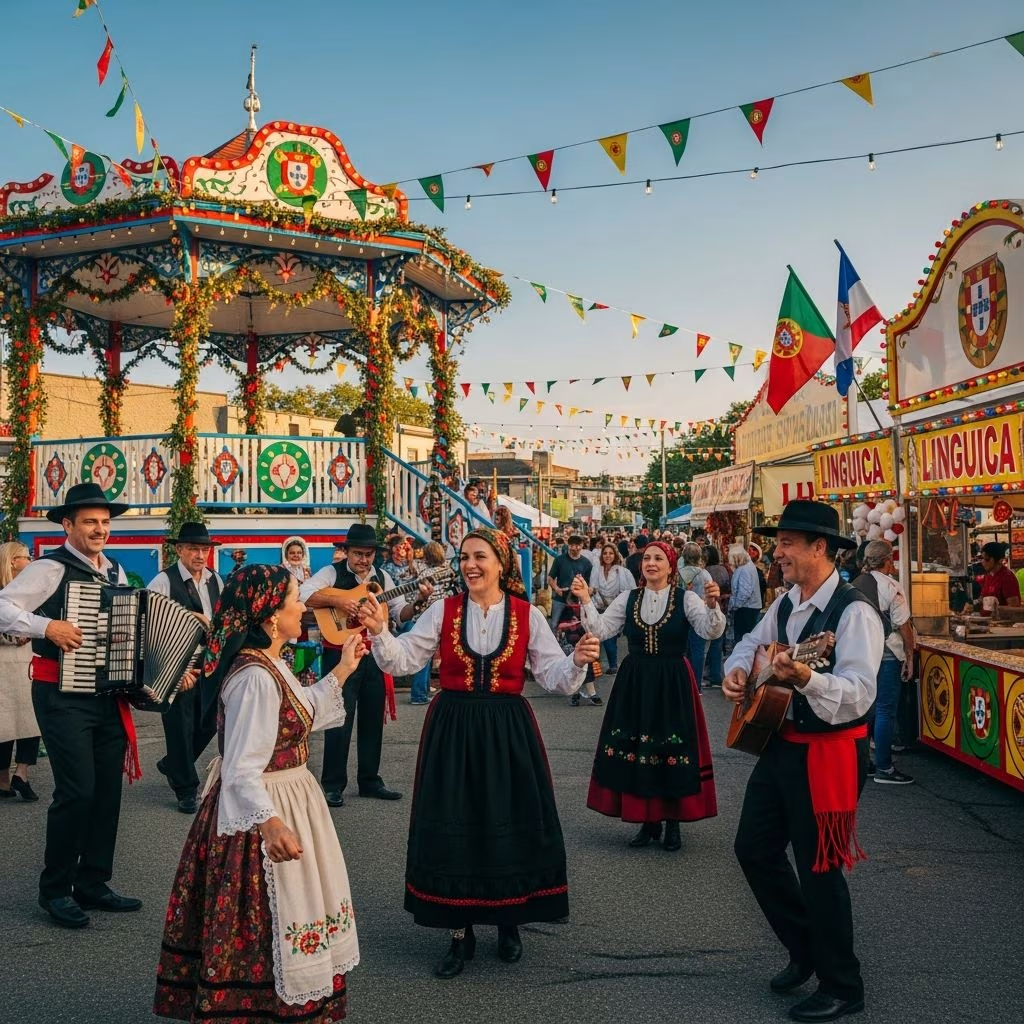
The region of southern Massachusetts stands as a beacon for Portuguese-American culture, where vibrant festivals known as festas weave together faith, food, and familial ties. These events, deeply rooted in immigrant traditions, transform local communities into lively hubs of celebration, attracting thousands annually to honor their Azorean, Madeiran, and mainland Portuguese ancestry.
Portuguese settlers began arriving in southern Massachusetts in large numbers during the late 19th and early 20th centuries, drawn by opportunities in fishing, whaling, and textile industries. Towns like New Bedford, Fall River, and surrounding areas became home to these hardworking families, who brought with them a strong sense of community and religious devotion. Over generations, this influx created dense pockets of Portuguese influence, preserving language, customs, and recipes passed down through families.
Today, these communities maintain their heritage through organized events that mirror celebrations back in Portugal. Immigrants from islands like the Azores and Madeira found solace in recreating village-style gatherings, ensuring their children grew up connected to their origins despite living across the Atlantic.
Festas are multifaceted events combining religious processions, communal feasts, and entertainment. In Portuguese tradition, they center around honoring saints, with participants offering prayers, music, and shared meals as acts of gratitude. In southern Massachusetts, these festivals occur throughout the summer, filling calendars with back-to-back celebrations in various parishes.
These gatherings serve as living heritage, teaching younger generations about their roots while welcoming newcomers and tourists to partake in the joy.
Among all festas, New Bedford’s Feast of the Blessed Sacrament reigns supreme as the largest Portuguese festival globally. Established in 1915 by four Madeiran immigrants—Manuel Agrela, Manuel Agrela Coutinho, Manuel Santana Duarte, and Manuel Sebastiao—this event commemorates a vow made during a perilous sea voyage. What started as a modest promise evolved into a massive four-day extravaganza drawing hundreds of thousands of visitors each July.
The feast unfolds across the grounds of the Church of the Immaculate Conception, featuring:
| Feature | Description |
|---|---|
| Carnival Midway | Rides, games, and family-friendly attractions for all ages. |
| Performance Stages | Four venues with live music, fado singers, and cabaret shows in a museum courtyard. | Food Tents (Barracas) | Authentic Portuguese eats prepared by festeiros and families. |
| Religious Events | Masses, processions, and blessings central to the tradition. |
Organized by dedicated committees called festeiros, the event mirrors Madeiran village preparations, where communities rally to decorate, cook, and host.
No Portuguese festa is complete without its array of savory and sweet offerings. Prepared in large quantities by volunteers, these foods evoke the flavors of home islands. Common highlights include:
These barracas, managed by families, buzz with activity as attendees line up for plates piled high. The communal eating fosters connections, much like village reunions in Portugal.
Beyond food and festivities, festas reinforce family structures. Multi-generational groups attend, with grandparents sharing tales of immigration, parents organizing logistics, and children enjoying rides. This continuity ensures cultural knowledge endures, countering assimilation pressures.
In places like Fall River and Somerset, similar events echo New Bedford’s scale, each parish hosting its own saint’s day celebration. These local festas create a network of hubs across southern Massachusetts, making the region a year-round destination for Portuguese culture enthusiasts.
Early 20th-century festas were intimate, neighborhood affairs with evergreen arches and simple barracas. Post-World War II, they grew with the community’s prosperity, incorporating carnivals and amplified music. Today, they blend Old World customs with modern appeal, boosting local economies through tourism.
Visitors from across the U.S. and Portugal flock here, experiencing authentic hospitality. The feasts not only preserve identity but also promote cultural exchange, inviting all to join the merrymaking.
To immerse yourself, time your trip for summer weekends. Key tips include:
New Bedford’s feast, held mid-July, requires no tickets but expect crowds. Smaller events offer a more relaxed vibe for first-timers.
Its high concentration of Portuguese descendants from fishing industries creates a dense network of festas and traditions unmatched elsewhere in the U.S.
Absolutely—carnival rides, music, and food cater to all ages, with religious elements optional.
Yes, these open events welcome everyone, fostering cultural sharing through food and festivities.
Options abound, including vegetarian seafood dishes, though meat-heavy fare dominates.
Local tourism boards and church sites provide schedules and details.
As younger Portuguese-Americans embrace these events, festas evolve while staying true to roots. Digital promotion via social media draws global audiences, ensuring the legacy thrives. Southern Massachusetts remains a testament to immigrant resilience, where food, faith, and family create enduring joy.
