


 Food & Culture
Food & Culture
Primorska Wine Region: Slovenia’s Western Winelands Guide
Explore the allure of Slovenia's western winelands: unique wines, cycling tours, local cuisine, and breathtaking scenery in Primorska region.
 Food & Culture
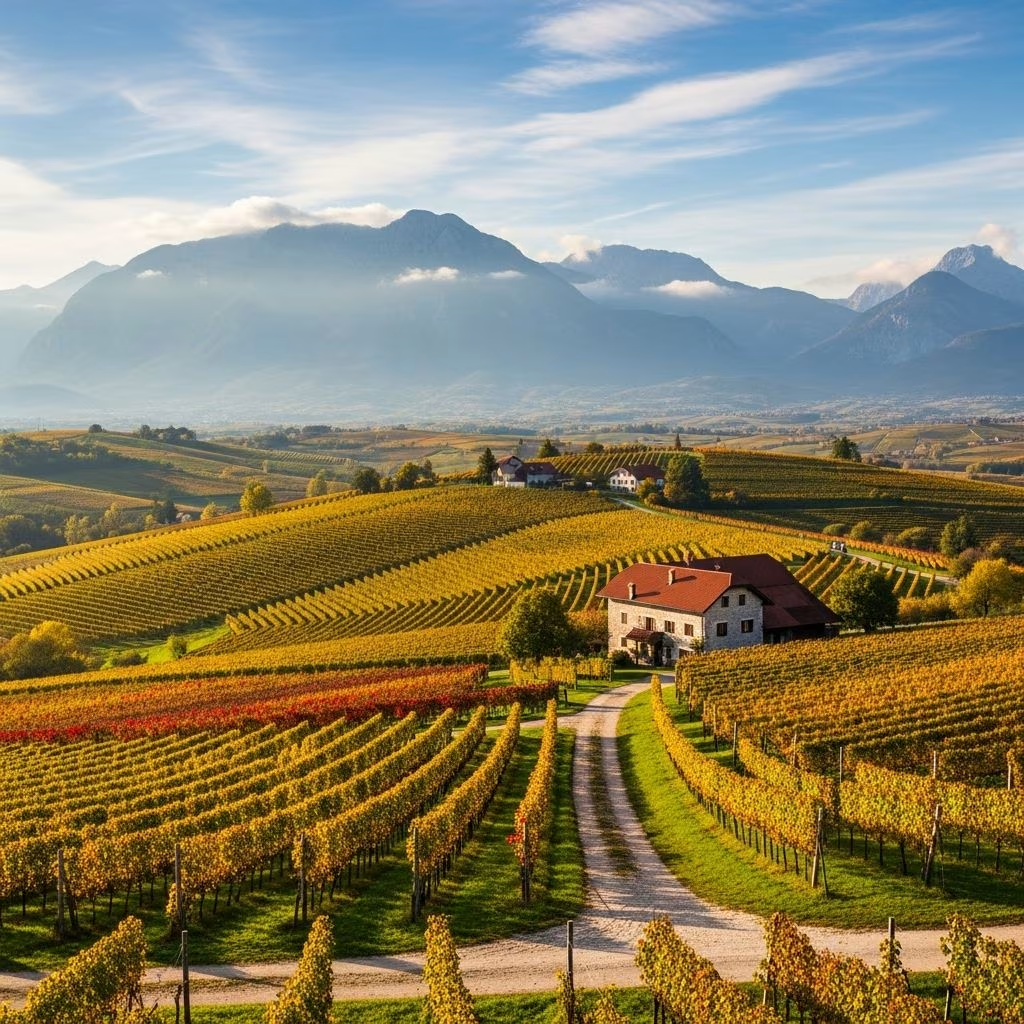
Slovenia’s western winelands, nestled in the **Primorska region**, offer a captivating blend of Mediterranean breezes, alpine influences, and centuries-old viticulture traditions. This area, bordering Italy and the Adriatic Sea, produces some of Europe’s most distinctive wines while providing visitors with immersive experiences in nature, culture, and gastronomy.
The Unique Terroir Shaping Exceptional Wines
The Primorska wine region stands out due to its diverse microclimates. Stretching from the sunny **Vipava Valley** to the rolling hills of **Goriška Brda**—often called Slovenia’s Tuscany—and the rugged **Kras Karst plateau**, it benefits from the bora wind, ample sunshine, and proximity to the sea. These elements create powerful, full-bodied wines with Mediterranean character.
In Vipava Valley, the largest district in Primorska at 3,005 hectares, native varieties like **Zelen** and **Pinela** thrive. Zelen, planted on just 37 hectares, yields dry, floral whites, while Pinela production is limited to around 20,000 bottles annually from the valley. These grapes, along with **Klarnica**, are among six varieties unique to Slovenia, as noted by wine expert Jancis Robinson.
Goriška Brda excels in **Rebula** (Ribolla Gialla) and Merlot, benefiting from terraced vineyards overlooking Friuli. Further south, Kras produces mineral-rich **Teran**, a deep red, and **Slovenska Istra** yields **Malvazija** and rare **Refošk**. Primorska accounts for the bulk of Slovenia’s wine output, influenced by Italian neighbors in style and culture.
Active Exploration: Cycling Through Vineyards
One of the most engaging ways to experience the winelands is by bicycle. Gravel paths and single-track roads weave between vineyards, connecting quaint villages and family-run cellars. Local operators like Wajdusna offer guided tours that combine pedaling with wine tastings, allowing visitors to savor the landscape’s beauty up close.
Vipava Valley’s 49-kilometer river path provides ideal routes, flanked by Mt. Nanos to the north and Kras plateau to the south. Cyclists encounter southern-facing vineyards at 300-400 meters elevation, basking in Slovenia’s sunniest spot yet tempered by refreshing winds. These tours cater to various fitness levels, often ending with meals pairing wines with regional specialties.
- Beginner-friendly loops: Village-to-village paths in Vipava, 20-30 km with frequent stops.
- Intermediate adventures: Brda hills for panoramic views, combining wine and olive oil tastings.
- Advanced routes: Karst plateau trails tackling rugged terrain and Teran cellars.
Gastronomic Delights Paired with Local Wines
Slovenia’s western winelands boast farm-to-table cuisine that elevates wine tasting. In cellars and osmicas (pop-up wine taverns), expect homemade breads, cured meats, and cheeses. **Pršut**, Slovenia’s prosciutto, gains its flavor from the drying bora wind, while **Tolminc cheese** from high altitudes offers a tangy profile crafted for centuries.
| Wine Variety | Pairing Suggestion | Region |
|---|---|---|
| Zelen | Fresh goat cheese and herb salads | Vipava Valley |
| Rebula | Pršut and olive oil drizzled bread | Goriška Brda |
| Teran | Smoked sausages and wild mushrooms | Kras |
| Malvazija | Seafood risotto | Slovenska Istra |
These pairings highlight the synergy between terroir-driven wines and hyper-local ingredients, often served in intimate settings like vineyard picnics or family homesteads.
Adventurous Pursuits Amid Vineyards
Beyond sipping, the winelands pulse with adrenaline. The Julian Alps frame thrilling hikes, paragliding over Brda’s undulating terrain, and caving in the Karst region’s mysterious underground systems. Soča River nearby offers rafting, while coastal Istra invites kayaking along cliffs dotted with vineyards.
Many estates integrate adventure: post-hike tastings or bike-to-cliff jumps. This fusion appeals to active travelers seeking more than passive tourism.
Why This Region Captivates Wine Enthusiasts
Slovenia’s western winelands remain Europe’s best-kept secret due to small-scale production and authentic experiences. With roots tracing to Celts and Illyrians in the 5th century BCE, the area preserves ancient methods while innovating with sustainable practices.
Producers like those in Vipava farm southern slopes, producing 40,000 bottles yearly on 10-hectare plots, emphasizing quality over quantity. Forbes has hailed Slovenia for its fresh, coastal-influenced wines redefining terroir.
Practical Guide for Your Winelands Journey
Plan for spring through autumn visits, when harvests add vibrancy. Base in Nova Gorica or coastal Koper for access. Boutique accommodations in renovated farmhouses offer wine-inclusive stays.
- Getting there: Fly into Ljubljana (1.5 hours drive) or Trieste, Italy.
- Best time: September for grape harvests; June-August for cycling.
- Budget tips: Tours from €50/day; tastings €10-20/person.
Frequently Asked Questions (FAQs)
What makes Primorska wines unique?
The blend of alpine, Mediterranean, and bora wind influences creates fresh, mineral-driven profiles from native grapes like Zelen and Teran.
Are cycling tours suitable for beginners?
Yes, many operators provide e-bikes and flat routes with frequent breaks for tastings.
Can I visit during harvest season?
September-October is ideal; book cellars in advance for hands-on experiences.
What foods pair best with local wines?
Cured pršut, Tolminc cheese, and homemade sausages complement the bold varietals.
Is English widely spoken?
In tourist areas like wineries and tours, yes; Italian influences aid communication near borders.
Preserving the Winelands Legacy
Sustainable farming dominates, with small producers prioritizing biodiversity. Visitors contribute by supporting direct-from-vineyard purchases, ensuring this gem thrives.
References
- Five reasons to visit Slovenia’s western winelands — Lonely Planet. 2023. https://www.lonelyplanet.com/articles/five-reasons-to-visit-slovenias-western-winelands
- Slovenian Wine Regions: Discover Europe’s Best Kept Secret — Mijn Slovenie. 2024. https://www.mijnslovenie.com/en/blog/slovenian-wine-regions-discover-europes-best-kept-secret
- 3 Key Wine Regions of Slovenia — Ormina Tours. 2023. https://www.orminatours.com/blog/3-key-wine-regions-of-slovenia/
- A Taste of Culture: Exploring Slovenia’s Native Wine Varietals in the Vipava Valley — Bob Ramsak. 2022. https://bobramsak.com/slovenia-native-wine-varietals-vipava-valley/
- Why Slovenia May Be Europe’s Most Underrated Wine Country — JP Bourgeois (Forbes reference). 2024. https://jp-bourgeois.com/?p=450897
On This Page
The Unique Terroir Shaping Exceptional Wines Active Exploration: Cycling Through Vineyards Gastronomic Delights Paired with Local Wines Adventurous Pursuits Amid Vineyards Why This Region Captivates Wine Enthusiasts Practical Guide for Your Winelands Journey Frequently Asked Questions (FAQs) Preserving the Winelands Legacy← Previous
Tirana Travel Guide: History, Culture, Food & Nightlife
Next →
Primorska Wine Region: Slovenia’s Western Winelands
Related Reading
More in Food & Culture
Food & Culture Food & Culture
 Food & Culture
Best Places to Eat in Rome: Neighborhood Dining Guide
 Food & Culture
 Food & Culture