


 Food & Culture
Food & Culture
Puerto Rican Food and Drink Guide: Dishes, Drinks & Dining
Explore Puerto Rico's iconic dishes like mofongo and lechón, refreshing cocktails including the piña colada, and the rich cultural history behind its cuisine.
 Food & Culture
Puerto Rico’s food and drink landscape is a captivating blend of indigenous Taíno ingredients, Spanish culinary techniques, and African frying methods, creating dishes that burst with bold flavors and cultural depth. This island paradise offers everything from street-side fritters to elegant rum tastings, making every meal a celebration of heritage.
The Roots of Island Flavor
The foundation of Puerto Rican gastronomy lies in its diverse history. Native Taíno people contributed root vegetables like yuca and tropical fruits such as pineapple and guava, which remain staples today. Spanish colonizers introduced rice, pork, and spices, while African slaves brought plantains and deep-frying traditions that transformed simple ingredients into irresistible fritters. This fusion results in meals that are hearty, spicy, and unforgettably satisfying.
Plantains, in particular, symbolize this African influence, arriving via the slave trade and becoming ubiquitous in forms like tostones—twice-fried slices served as a crunchy side. Pork, a Spanish legacy, dominates festive roasts, embodying both scarcity and abundance in Puerto Rican culture.
Signature Main Dishes to Savor
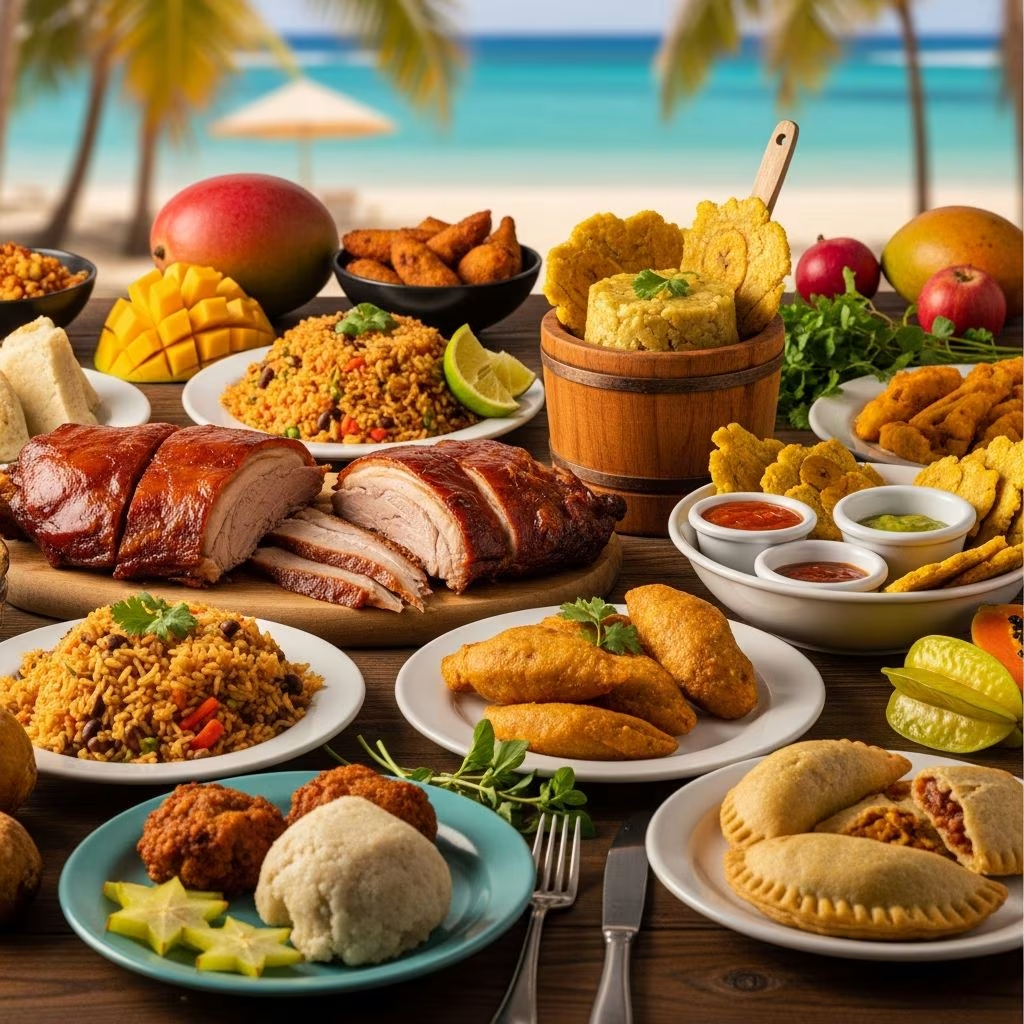
No visit is complete without trying mofongo, a mashed fried green plantain bowl often stuffed with garlic shrimp, chicken, or pork, seasoned with bold sofrito—a mix of onions, peppers, garlic, and herbs. Another crown jewel is lechón asado, whole pig slow-roasted over coals until the skin crackles and the meat juices flow, a dish so revered it’s officially a culinary heritage item.
Rice and beans, or arroz con gandules, form the comforting backbone of many meals, infused with pigeon peas, saffron-like annatto, and pork for smoky depth. For seafood lovers, bacalao con viandas pairs salted cod with starchy roots like yautía and batata, simmered in a garlicky tomato broth. These dishes highlight the island’s resourcefulness, turning humble ingredients into feasts.
| Dish | Key Ingredients | Best Occasion |
|---|---|---|
| Mofongo | Green plantains, garlic, protein filling | Daily meals, casual dining |
| Lechón Asado | Whole pig, adobo seasoning | Festivals, holidays |
| Arroz con Gandules | Rice, pigeon peas, sofrito | Family gatherings |
| Bacalao con Viandas | Salted cod, root vegetables | Lenten specials |
Street Food and Frituras Delights
Puerto Rico’s streets buzz with frituras or cuchifritos, fried snacks perfect for grazing. Alcapurrias are green banana and taro fritters stuffed with seasoned beef or crab, while bacalaitos are crispy codfish pancakes lathered in garlicky mayo-ketchup. Don’t miss tostones, thick plantain slices fried to golden perfection, or empanadillas, flaky turnovers bursting with meat or cheese.
- Pro Tip: Hunt for kiosks in Luquillo or Piñones for the freshest frituras, often enjoyed with a cold malta—a non-alcoholic malt beverage.
- These snacks trace African roots, emphasizing deep-frying for texture and flavor.
- Pair with aji picante, a spicy pepper sauce, for an authentic kick.
Holiday and Festive Specialties
Christmas amplifies Puerto Rico’s food culture with pasteles, tamale-like packets of grated green plantains and yuca dough filled with pork, chickpeas, olives, and raisins, then boiled in banana leaves. Served alongside arroz con gandules and pernil (roast pork shoulder), they fuel lively parrandas—impromptu caroling parties.
Other celebrations feature sancocho, a robust stew of meats, tubers, and corn, or asopao, a soupy rice dish with chicken or shrimp. These communal foods strengthen family bonds and showcase seasonal abundance.
Refreshing Beverages and Cocktails
Puerto Rico reigns as the Rum Capital of the World, producing legends like Bacardí, Don Q, and Ron del Barrilito. The piña colada, invented here, blends rum, coconut cream, and pineapple juice into frothy bliss—best sipped at beaches or Old San Juan bars.
Non-alcoholic options include horchata with toasted sesame and rice, kola champagne (a sweet, fizzy soda created locally), and ponche de malta—malta whipped with egg yolks, condensed milk, and ice cream. Craft breweries and innovative mixologists elevate the scene with rum old-fashioneds or tropical mules.
| Cocktail | Main Ingredients | Where to Try |
|---|---|---|
| Piña Colada | Rum, pineapple juice, coconut cream | Resorts, beach bars |
| Spiced Cherry | Rum, cherry Coke, cherry liqueur | Local bars |
| Ponche de Malta | Malta, egg yolk, condensed milk | Home kitchens, street vendors |
Modern Twists and Pairings
Contemporary chefs fuse tradition with innovation, like sherry-paired mofongo or papaya cobblers using Amontillado for nutty contrast. Farm-to-table spots highlight fresh fish grilled with lime, shrimp in beer, or lobster thermidor. Health-conscious versions swap frying for baking in bean-rich habichuelas guisadas or fruit salads.
Vegetarian adaptations thrive too, with plantain-based mains and tropical salsas. The island’s bars experiment with rum in classics like the Cuba libre or bold creations.
Where to Eat: Top Dining Spots
- Old San Juan: Elegant spots for upscale criollo cuisine and rum flights.
- Luquillo Kiosks: Fritura heaven with ocean views.
- Ponce: Inland roasters perfecting lechón.
- Brewery Tours: Sample local crafts in San Juan or Aguadilla.
Markets like Santurce’s La Plaza del Mercado offer raw ingredients for picnics.
Practical Tips for Food Lovers
- Embrace sofrito—the flavor base in nearly every dish.
- Visit during festivals like San Sebastián Street Festival for free tastings.
- Allergies? Plantains are gluten-free; ask for no pork.
- Budget: Frituras under $5; full lechón meals $20+ per person.
Frequently Asked Questions (FAQs)
What is the national dish of Puerto Rico?
While not officially declared, lechón asado and mofongo are widely considered national treasures for their cultural significance.
Is Puerto Rican food spicy?
Moderately—sofrito provides warmth, but aji sauce amps it up; mild options abound.
Where was the piña colada invented?
In San Juan’s Caribe Hilton in the 1950s, using local rum and pineapple.
Are there vegan Puerto Rican dishes?
Yes, tostones, arroz con gandules (sans pork), and fruit-based desserts adapt easily.
Best time for food festivals?
December for Christmas pasteles; summer for street fairs.
Puerto Rico’s cuisine invites exploration, from dawn markets to midnight parrandas, weaving history into every bite and sip.
References
- Food & Drinks | Discover Puerto Rico — Discover Puerto Rico. 2023. https://www.discoverpuertorico.com/island/food-drinks
- Puerto Rican Favorites Made Healthy — Academy of Nutrition and Dietetics. 2022-04-15. https://www.eatright.org/food/cultural-cuisines-and-traditions/central-and-south-american/puerto-rican-favorites-made-healthy
- Puerto Rican cuisine — Wikipedia (informational, primary sources referenced). 2026-04-20. https://en.wikipedia.org/wiki/Puerto_Rican_cuisine
- Caribbean Flavors of Puerto Rico — Bodegas Lustau. 2023-07-10. https://lustau.es/en/blog/caribbean-flavors-of-puerto-rico/
- A Very Brief History of Puerto Rican Cuisine — Familia Kitchen. 2021-12-01. https://familiakitchen.com/a-very-brief-history-of-puerto-rican-cuisine/
- Puerto Rican Cuisine — Welcome to Puerto Rico. 2024. https://welcome.topuertorico.org/culture/foodrink.shtml
← Previous
Budget Travel in Michigan: Affordable Trips, Camping, Beaches & Food
Next →
Best Beaches in Maine: Top Coastal Spots for Families, Surfing & Scenic Views
Related Reading
More in Food & Culture
Food & Culture Food & Culture
 Food & Culture
Best Places to Eat in Rome: Neighborhood Dining Guide
 Food & Culture
 Food & Culture