


 Food & Culture
Food & Culture
Puerto Rican Food Guide: Must-Try Dishes, Street Eats & Traditions
Explore Puerto Rico's rich food scene, from mofongo and arroz con gandules to holiday pasteles and fresh seafood, highlighting cultural fusion and must-try local delights.
 Food & Culture
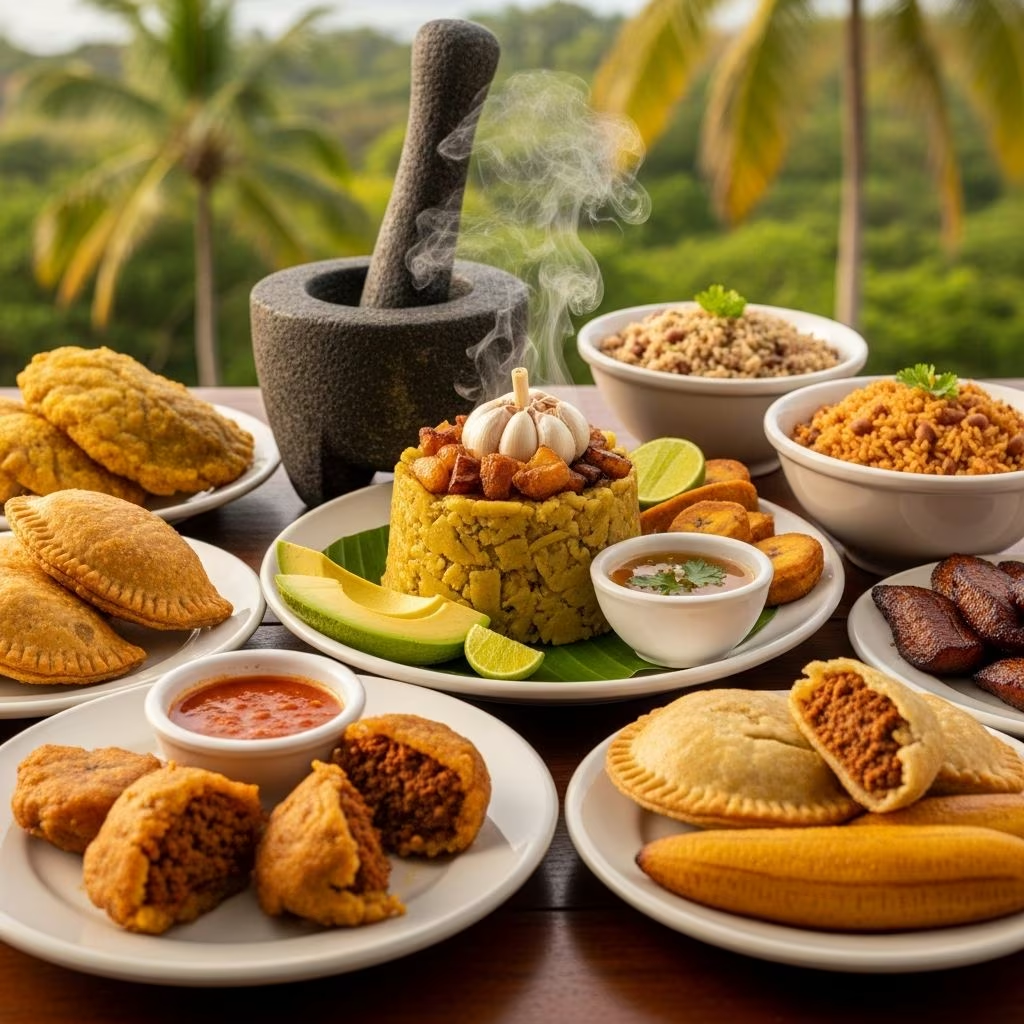
Puerto Rico’s food landscape bursts with bold tastes and hearty textures, drawing from a unique mix of Taíno indigenous roots, Spanish colonial additions, and African culinary techniques. This island territory offers visitors and locals alike a chance to indulge in dishes that tell stories of history, family gatherings, and vibrant street life. From mashed plantains to rice simmered with pigeon peas, every bite reflects resilience and creativity.
The Foundations of Criolla Cooking
Criolla cuisine, as it’s known locally, starts with native ingredients like plantains, yuca, and tropical fruits, enhanced by imported rice, pork, and spices. The Taíno people contributed grilling methods and staples such as yautía (taro root) and guanábana (soursop). Spanish settlers brought olive oil, garlic, and wheat, while African influences introduced frying and starchy sides like okra. This fusion creates meals that are hearty, spiced with sofrito—a base of onions, peppers, garlic, and herbs—and often paired with rice or root vegetables.
Daily eating revolves around simple yet satisfying combinations. A typical plate might feature roasted chicken alongside rice, beans, and avocado slices, providing a balance of protein, carbs, and fresh produce. Root vegetables, or viandas, boiled and served with codfish, offer nourishment rooted in tradition.
Iconic Staples Every Visitor Must Try
- Mofongo: Fried green plantains mashed with garlic and pork rinds in a pilón (wooden mortar), often stuffed with shrimp, chicken, or steak. This dish embodies communal preparation, pounded together during family events.
- Arroz con Gandules: Considered the national dish, this is rice cooked with pigeon peas (gandules), sofrito, and pork, yielding a nutty, aromatic one-pot meal perfect for celebrations.
- Pastelón: A sweet-savory casserole of ripe plantains layered with spiced ground beef, olives, raisins, and cheese, baked until bubbly. Regional twists include peas or extra spices.
These staples showcase the island’s love for plantains in all forms—green for savory mashes, ripe for sweetness—and the pervasive use of annatto for color and cumin for depth.
Street Food and Frituras: Quick Bites with Big Flavor
Street vendors, or kioskos, line beaches and plazas, frying up cuchifritos—assorted fried snacks. These are essential for on-the-go eating, from festivals to casual afternoons.
- Alcapurrias: Green banana and yautía fritters stuffed with beef, crab, or cod.
- Bacalaitos: Crispy codfish fritters, salty and addictive.
- Empanadillas: Turnover pastries filled with meat, cheese, or seafood.
- Tripleta: A sandwich piled with roast pork, ham, steak, and cheese on crusty bread, sometimes innovated into pizza form.
Frituras highlight frying as a dominant technique, turning humble ingredients into crispy delights. Pair them with a cold medalla beer for an authentic experience.
Seafood Delights from Coast to Table
Surrounded by ocean, Puerto Rico excels in fresh catches. Grilling fish with lime and garlic yields simple perfection, while Caribbean lobster and shrimp star in stews or beer boils.
Ceviche stands out with its spicy leche de tigre marinade of citrus, garlic, and chilies, tossed with snapper, shrimp, tomatoes, and avocado. Bacalao, salted cod, appears rehydrated in guisados (stews) with viandas or as fritters.
| Dish | Main Ingredients | Preparation Style |
|---|---|---|
| Ceviche | Snapper/shrimp, lime, onion | Marinated raw |
| Bacalao con Viandas | Salted cod, root veggies | Stewed |
| Camarones en Cerveza | Shrimp, beer, garlic | Boiled/sautéed |
Holiday Feasts and Family Traditions
Food amplifies Puerto Rico’s festive spirit, especially during Christmas with parrandas (caroling parties). Pasteles, dough pockets of green bananas, yuca, and meat seasoned with olives, capers, and chickpeas, are wrapped in banana leaves and boiled—a labor-intensive tradition made in large batches.
Roast pork (lechón) glistens whole on spits for Nochebuena, accompanied by arroz con gandules, escabeche (pickled bananas with gizzards), and coquito (eggnog with coconut). Thanksgiving adapts with turkey pasteles and spicy cranberry sauce.
Asopao, a soupy rice with chicken or shellfish, comforts on lean days or rainy evenings, thickened with tomato and herbs.
Regional Variations and Hidden Gems
Puerto Rico’s diverse terrain yields specialties. Arecibo’s cetí-filled pasteles with fish and coconut milk differ from mainland versions. Lares offers cod ice cream—a quirky treat. Inland, guisados stew meats with potatoes and pig feet over funche (cornmeal mush).
South coast spots emphasize spicier profiles, while mountain regions favor root-heavy dishes. Seeking out family-run comedores reveals authentic, un-touristy versions.
Drinks to Complement the Meal
No Puerto Rican meal is complete without beverages. Piña coladas originated here, blending pineapple, coconut, and rum. Coquito warms holidays, while fresh juices from passionfruit or tamarind refresh daily. Local coffee, robust and sweet, pairs with mallorca (sweet bread rolls).
Healthier Twists on Classics
Traditional recipes pack flavor but can be heavy; adaptations use baking over frying, more viandas for fiber, and lean proteins like fresh fish. Beans and fruits boost nutrition without sacrificing taste.
Frequently Asked Questions
What is the most famous Puerto Rican dish?
Mofongo tops lists for its versatility and cultural significance, but arroz con gandules claims national dish status.
Where to find authentic street food in Puerto Rico?
Luquillo Kiosks near El Yunque or San Juan’s La Placita market offer prime fritura spots.
Are pasteles only for Christmas?
Primarily holiday fare, but available year-round at specialty shops.
Vegetarian options in Puerto Rican cuisine?
Tofongo (tofu mofongo) or plantain-based sides abound; many dishes adapt easily.
Planning Your Food Adventure
Visit during festivals like San Sebastián Street Festival for peak fritura indulgence. Book cooking classes in Old San Juan or stay at agroturismos for farm-to-table criolla. Always ask locals for the freshest spots—food here is about sharing and stories as much as flavors.
References
- Explore Flavorful Puerto Rican Cuisine — Academy of Nutrition and Dietetics. 2023. https://www.eatright.org/food/cultural-cuisines-and-traditions/central-and-south-american/puerto-rican-favorites-made-healthy
- 14 Dishes from Puerto Rico that I Must Eat Again — Jay Ducote. 2022-10-15. https://www.jayducote.com/blog/puertorico
- The Ultimate Guide to Traditional Puerto Rican Food — Celebrity Cruises. 2024. https://www.celebritycruises.com/blog/traditional-puerto-rican-food
- Puerto Rican cuisine — Wikipedia (sourced from primary refs). 2026-04-20. https://en.wikipedia.org/wiki/Puerto_Rican_cuisine
- Puerto Rican Cuisine — Welcome to Puerto Rico. N/A. https://welcome.topuertorico.org/culture/foodrink.shtml
On This Page
The Foundations of Criolla Cooking Iconic Staples Every Visitor Must Try Street Food and Frituras: Quick Bites with Big Flavor Seafood Delights from Coast to Table Holiday Feasts and Family Traditions Regional Variations and Hidden Gems Drinks to Complement the Meal Healthier Twists on Classics Frequently Asked Questions Planning Your Food Adventure← Previous
4-Day Puerto Rico Mountain Eco-Travel Itinerary
Next →
Puerto Rico Art Guide: Street Murals, Museums & Festivals
Related Reading
More in Food & Culture
Food & Culture Food & Culture
 Food & Culture
Best Places to Eat in Rome: Neighborhood Dining Guide
 Food & Culture
 Food & Culture