

 Travel Essentials
 Travel Essentials

Discover key insights for traveling to Puerto Rico: no passport for US citizens, cultural etiquette, best times to visit, and tips for beaches, food, and more.
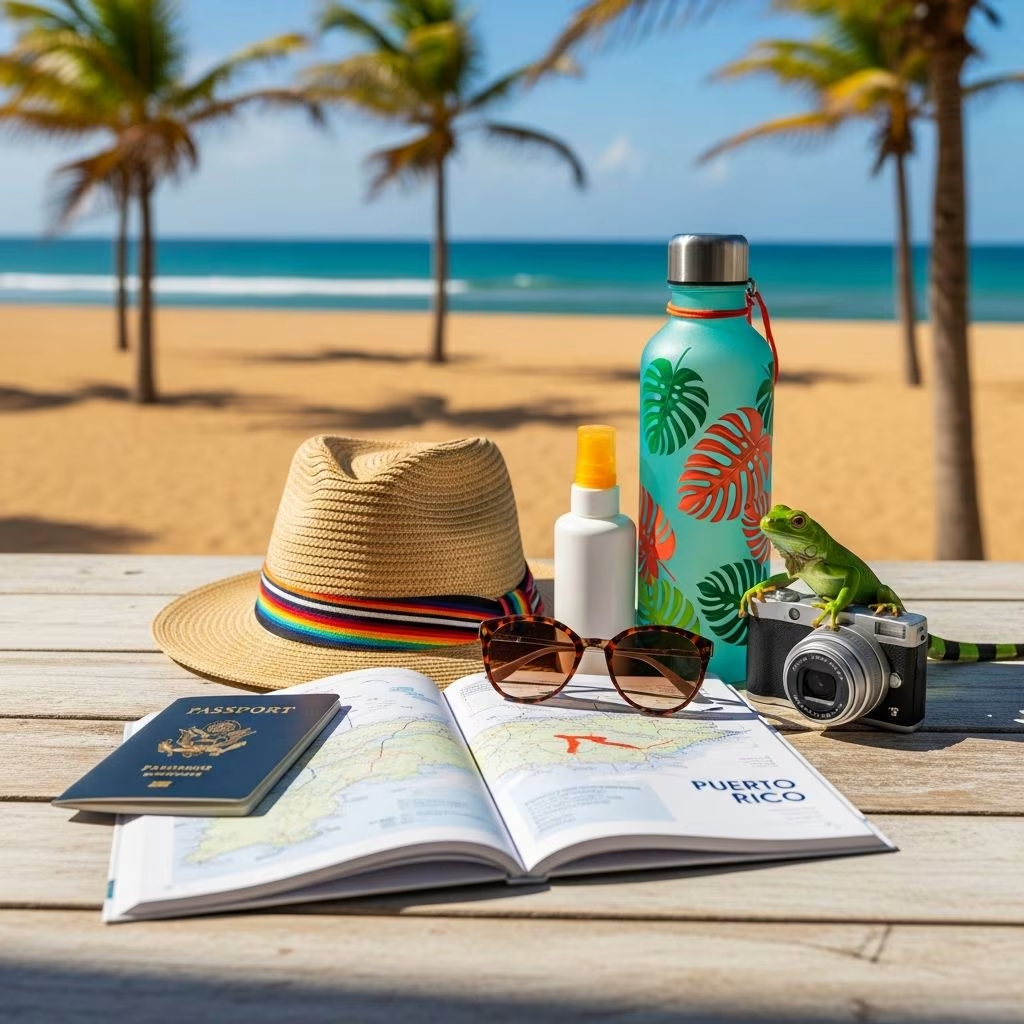 Travel Essentials
Puerto Rico offers a captivating blend of vibrant culture, stunning natural landscapes, and convenient accessibility for travelers, particularly from the United States. As a U.S. territory, it simplifies logistics while delivering an authentic Caribbean experience rich in history and biodiversity.
For U.S. citizens and permanent residents, visiting Puerto Rico requires no passport—a valid driver’s license or government-issued ID suffices, making it an effortless domestic getaway. Non-U.S. citizens should verify visa needs; those from Visa Waiver Program countries typically enter visa-free for up to 90 days. All visitors encounter a U.S. Department of Agriculture checkpoint upon departure to prevent exporting fresh produce or open food items.
The U.S. dollar serves as currency, tap water is generally potable in urban zones, and electricity operates at 110 volts with standard plugs. Cell coverage remains strong in populated and tourist spots, with 911 emergency services available island-wide. Direct flights from hubs like New York or Miami take just 3-4 hours to San Juan, the capital on the northeast coast, home to neighborhoods like Old San Juan and Condado.
Renting a car unlocks Puerto Rico’s diverse terrain, spanning 110 miles long and 35 miles wide, from El Yunque rainforest to remote beaches. Roads can challenge with narrow paths, potholes, and aggressive drivers, especially outside San Juan—opt for sturdy vehicles and defensive driving. Public options like buses or taxis work in cities, but for exploring places like Ponce or Culebra, a car proves essential.
Puerto Rico welcomes travelers year-round with its tropical climate, though hurricane season (June 1-November 30) demands weather monitoring via apps or news. Shoulder seasons (April-May, September-October) offer fewer crowds, lower rates, and mild weather ideal for hiking or beach days.
Expect lively vibes during events like January’s San Sebastián Street Festival or Holy Week processions, when streets buzz but some shops close. Summer brings heat and rain showers, perfect for indoor cultural pursuits, while winter delivers sunny escapes from mainland chill.
| Season | Weather | Pros | Cons |
|---|---|---|---|
| Winter (Dec-Mar) | 75-85°F, dry | Festivals, comfortable | Peak prices/crowds |
| Summer (Jun-Nov) | 80-90°F, rainy | Deals, fewer tourists | Hurricanes possible |
| Shoulder | Varied, milder | Balance of all | Unpredictable rain |
Puerto Rico’s identity as ‘Boricua’ weaves Taíno indigenous roots, African rhythms, and Spanish colonial layers into a proud tapestry. English prevails in tourist hubs, but Spanish dominates rural spots—learning basics like ‘gracias’ or ‘buen día’ fosters goodwill.
Embrace ‘la cultura’ by supporting local businesses, avoiding unsolicited photos of residents, and sticking to well-trafficked areas after dark. Tipping mirrors U.S. norms (15-20% in restaurants), and an 11.5% sales tax applies to most purchases.
Beyond postcard beaches, Puerto Rico boasts El Yunque, the sole tropical rainforest in the U.S. National Forest System, with waterfalls and hiking trails. Explore ancient caves etched with Taíno petroglyphs or bioluminescent bays in Vieques (world’s brightest) and Fajardo, where dinoflagellates illuminate kayak paddles.
Culebra’s Flamenco Beach ranks among global elites for snorkeling amid coral reefs—pack reef-safe sunscreen to protect marine life. The Pork Highway in Guavate tempts with lechoneras serving succulent roast pork amid weekend fiestas.
Puerto Rican cuisine bursts with flavor: mofongo (mashed plantains with garlic and pork), alcapurrias (fritters), and lechón asado headline menus. The piña colada originated here, blending pineapple, coconut, and rum—sample at San Juan bars amid debate over its ‘birthplace’.
Central mountains yield robust coffee; west produces artisanal chocolate and craft beers. Venture to kiosks for empanadillas or pastelillos, washed down with refrescos like chichaíto.
Puerto Rico’s 300+ beaches dazzle with white sands and turquoise waters, but vigilance is key—most lack lifeguards. Northern Atlantic shores feature rougher waves and rip currents; southern Caribbean sides offer calmer swims. Heed empty beaches signaling hazards like urchins or jellyfish.
Swim with buddies, especially kids, and rinse off after sea dips to avoid infections. For islands like Vieques, book bio-bay tours responsibly to minimize light pollution.
Pack light layers for humidity, sturdy shoes for trails, and insect repellent for evenings. ‘Pack in, pack out’ preserves parks like El Yunque. Choose eco-friendly operators and local eateries to bolster recovery from past hurricanes.
No, U.S. citizens need only ID; others check visa rules.
Yes, with awareness: stay alert, use rideshares at night.
18 years old.
Generally safe in cities; bottled in remote areas.
Kayak tours from Fajardo, Vieques, or La Parguera.
