

 Travel Essentials
 Travel Essentials

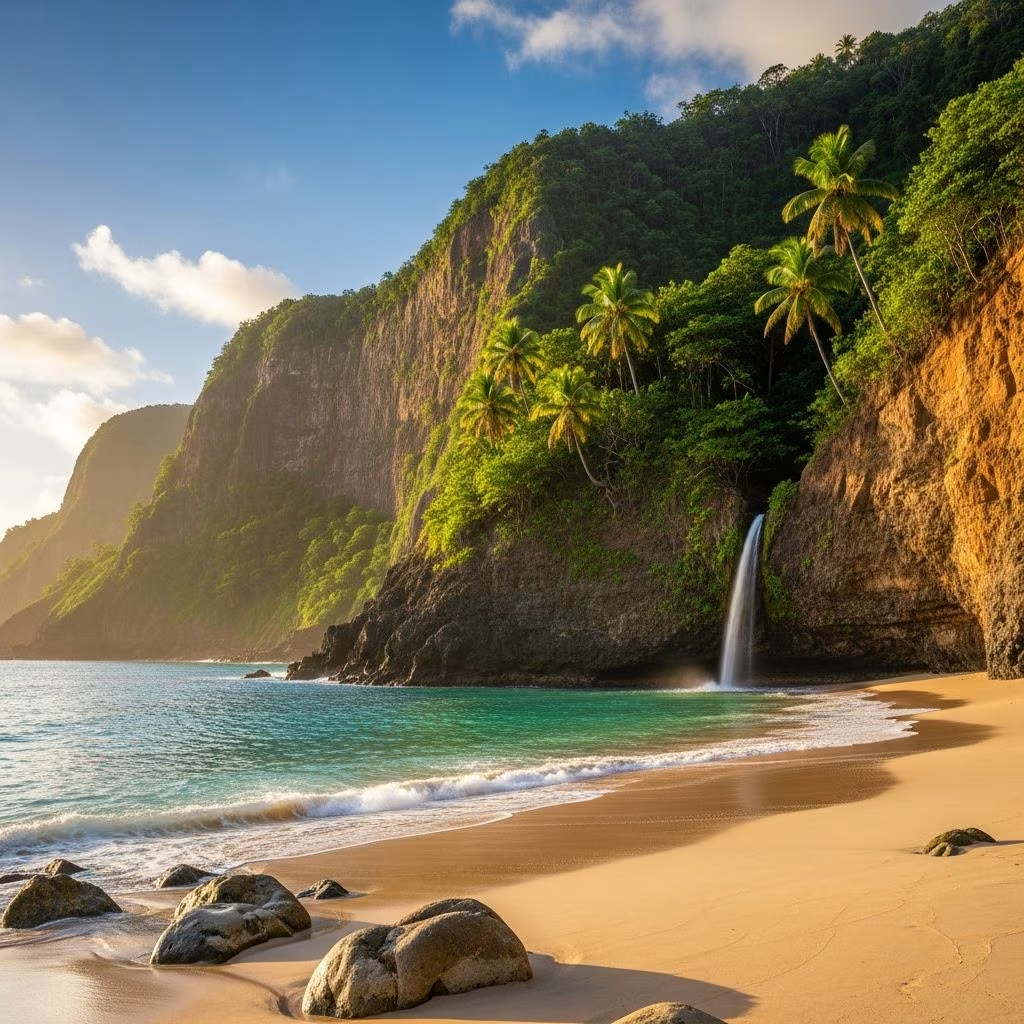
Discover Puerto Rico's diverse natural attractions, from El Yunque's waterfalls to bioluminescent bays and dramatic canyons, perfect for hikers and nature enthusiasts.
 Travel Essentials
Puerto Rico captivates visitors with its extraordinary blend of tropical ecosystems, from misty cloud forests to glowing coastal waters. This Caribbean gem offers adventurers a playground of rugged terrains, hidden waterfalls, and unique geological formations shaped over millennia.
The heart of Puerto Rico’s greenery lies in its protected forests, where dense canopies shelter rare species and invite exploration via winding trails. El Yunque National Forest stands out as the sole tropical rainforest within the U.S. National Forest System, spanning nearly 28,000 acres with peaks rising over 3,000 feet. Annual rainfall exceeds 120 inches, nurturing thousands of plant varieties, vibrant birds, and elusive amphibians.
Popular paths like the La Mina Trail guide hikers alongside rushing rivers to a 35-foot cascade where cool pools beckon for refreshing swims. Towering ferns, colorful orchids, and coqui frogs create an immersive symphony of life. Nearby, Las Cabezas de San Juan Nature Reserve in Fajardo protects mangroves, coastal forests, and bioluminescent lagoons, offering boardwalks and observation towers for easy access to fragile habitats.
At night, Puerto Rico transforms into a celestial underwater spectacle thanks to three world-renowned bioluminescent bays. Tiny dinoflagellates, microscopic organisms, ignite the water with blue-green flashes when disturbed by movement, turning kayak paddles into trails of light.[10]
Mosquito Bay on Vieques claims the title of the brightest, where tours allow kayaking amid the sparkle, especially vivid under new moon skies. La Parguera in Lajas requires boat excursions due to no-kayak rules, but its calm waters host abundant marine life alongside the glow. Laguna Grande in Fajardo, accessible via glass-bottom boats or kayak channels through mangroves, rounds out the trio with its protected estuary setting.
| Bay Location | Brightness Rank | Access Method | Unique Feature |
|---|---|---|---|
| Mosquito Bay, Vieques | #1 | Kayak tours | Intense glow, no swimming restrictions on some tours |
| La Parguera, Lajas | #2 | Boat tours only | Swimming allowed, rich fish populations |
| Laguna Grande, Fajardo | #3 | Kayak or boat | Mangrove tunnels leading to the bay |
These phenomena thrive in low-light pollution areas, making dark-sky nights ideal for witnessing the magic.
For thrill-seekers, Puerto Rico’s interior hides profound chasms carved by relentless rivers. Cañón San Cristóbal, the Antilles’ deepest at 750 feet, challenges hikers with steep descents, sheer cliffs, and a river threading natural pools and 250-foot waterfalls like El Juicio. Lush vegetation clings to walls, and streams provide cooling respites amid the exertion.
San Cristóbal Canyon ranks high in visitor polls for its raw beauty and adventure potential, often paired with nearby canyons for multi-day treks. These sites demand fitness and preparation, with guided tours recommended for safety on slippery trails.
Puerto Rico’s limestone bedrock forms intricate cave networks, revealing windows to the underworld. Río Camuy Cave Park tops lists as the island’s premier subterranean wonder, where vast chambers and underground rivers stretch for miles. Trolley tours and stair descents showcase stalactites, petroglyphs from Taíno people, and echoing drips.
Cueva Ventana, or Window Cave, near Arecibo offers a short hike to a dramatic overlook framing the valley below, with pre-Columbian carvings adorning its walls. On the north coast, Cueva del Indio features sea-eroded arches, blowholes, and ancient Taíno symbols, though cave entry is restricted for preservation.
Contrasting the wet east, southwestern Guánica Dry Forest preserves a unique xerophyte ecosystem with cacti, thorny shrubs, and resilient birds. Trails lead to viewpoints over bays and offshore islands like Gilligan’s Island, a mangrove-fringed key with shallow lagoons for snorkeling.
Cabo Rojo’s cliffs and lighthouse overlook salt flats and wildlife refuges teeming with flamingos. Playuela Beach, a secluded cove with red sands, rewards intrepid drivers with turquoise waters framed by dramatic arches. Offshore, Mona Island beckons divers with pristine reefs and endemic species, accessible by charter.
Flamenco Beach on Culebra consistently ranks among the world’s best, with powdery white sands, calm turquoise shallows, and tank relics from military history. Balneario Flamenco offers facilities for day trips, while Caja de Muertos near Ponce provides ferry access to beaches and a historic lighthouse.
Northern spots like Mar Chiquita feature rugged pools pounded by Atlantic waves, ideal for photos but cautious swimming.
Puerto Rico’s sites span the main island, Vieques, and Culebra, requiring ferries or short flights. Rent a car for flexibility, but note narrow roads and post-hurricane recoveries. Pack insect repellent, reef-safe sunscreen, and water; permits needed for some reserves.
Respect Leave No Trace principles to preserve these treasures. Spring and fall offer mild weather and fewer crowds.
Mosquito Bay on Vieques is brightest, but all three offer magical experiences; book new moon tours.
Yes, but check for closures due to weather or maintenance; reservations required for entry.
San Cristóbal is advanced; opt for guided tours and good fitness.
Ferry from Fajardo or fly from San Juan; advance booking essential.
Coqui frogs, parrots, sea turtles, and bioluminescent dinoflagellates.
