

 Travel Essentials
 Travel Essentials

A comprehensive travel guide to Puglia, Italy's southeastern region, featuring coastal gems, UNESCO sites, outdoor adventures, and authentic regional cuisine.
 Travel Essentials
Italy’s southeastern region presents a compelling destination that combines pristine coastlines, centuries-old architecture, and a slower pace of life that contrasts sharply with northern European tourist hotspots. This guide explores the multifaceted attractions that have made the area increasingly popular among travelers seeking authentic Italian experiences beyond the well-trodden paths of Rome and Florence.
The southeastern tip of the Italian peninsula contains a region characterized by distinct geographical features that define both its appearance and visitor experience. Rolling hills dotted with ancient olive trees dominate the interior landscape, while dramatic coastal cliffs and sandy beaches line the periphery. The region’s terrain creates natural divisions that help structure travel itineraries, allowing visitors to combine mountain experiences with seaside relaxation within manageable distances.
The area has evolved from a lesser-known destination to a significant tourist hub, attracting approximately 7 million visitors annually who generate substantial overnight stays throughout the year. This growth reflects increasing awareness of the region’s unique offerings compared to more traditionally popular Italian destinations.
The most visually striking settlements feature distinctive architecture with bright white-washed buildings cascading down hillsides toward the sea. These towns represent centuries of settlement patterns and defensive strategies, with their maze-like streets originally designed to confuse potential invaders. Today, these winding passages create atmospheric environments for exploration, with hidden courtyards, artisan shops, and family-run establishments tucked throughout.
The most celebrated of these settlements claims the distinction of being the region’s most photographed destination. Its medieval core features perfectly preserved stone architecture, panoramic viewpoints offering sweeping vistas, and a stunning cathedral. The surrounding landscape comprises rolling hills with extensive olive groves that produce some of Italy’s finest oils. Visitors typically spend 2-3 days exploring the town proper, nearby villages, and surrounding countryside.
Eastern coastal towns offer a different experience than their inland counterparts. One particularly significant settlement boasts a dramatic history involving a 15th-century Ottoman invasion that resulted in significant loss of life. The medieval castle built in response still dominates the harbor entrance and now functions as both a historical museum and iconic landmark. The town’s narrow streets lead to crystalline waters and dramatic cliff formations that attract swimming enthusiasts and photographers alike.
Another coastal destination combines dramatic geological formations with modern beach amenities. The distinctive beach features a striking cove surrounded by white cliffs, creating a natural amphitheater of remarkable beauty. Cliff-top promenades offer breathtaking perspectives of the coastline, while private boat excursions reveal hidden sea caves and grottos inaccessible by land.
The mountainous peninsula jutting northward from the mainland rises approximately 1,000 meters above surrounding terrain, creating a distinct ecosystem. Within this elevated region exists an ancient forest containing beech trees centuries old, representing one of southern Europe’s most significant woodland areas. Multiple hiking trails wind through the forest, offering opportunities for nature immersion and wildlife observation.
The forest’s preservation as a protected natural area reflects its ecological importance. Visitors can experience Mediterranean montane forests at their best, with diverse plant life, seasonal wildflower displays, and cool shaded trails offering respite from coastal heat during summer months.
A notable pilgrimage site occupies a dramatic hilltop location within the mountainous region. The sanctuary, built within a natural karst cave formation, represents an unusual religious architecture that blends natural geological features with human construction. The site holds UNESCO designation recognizing its cultural significance, attracting both spiritual seekers and cultural tourists.
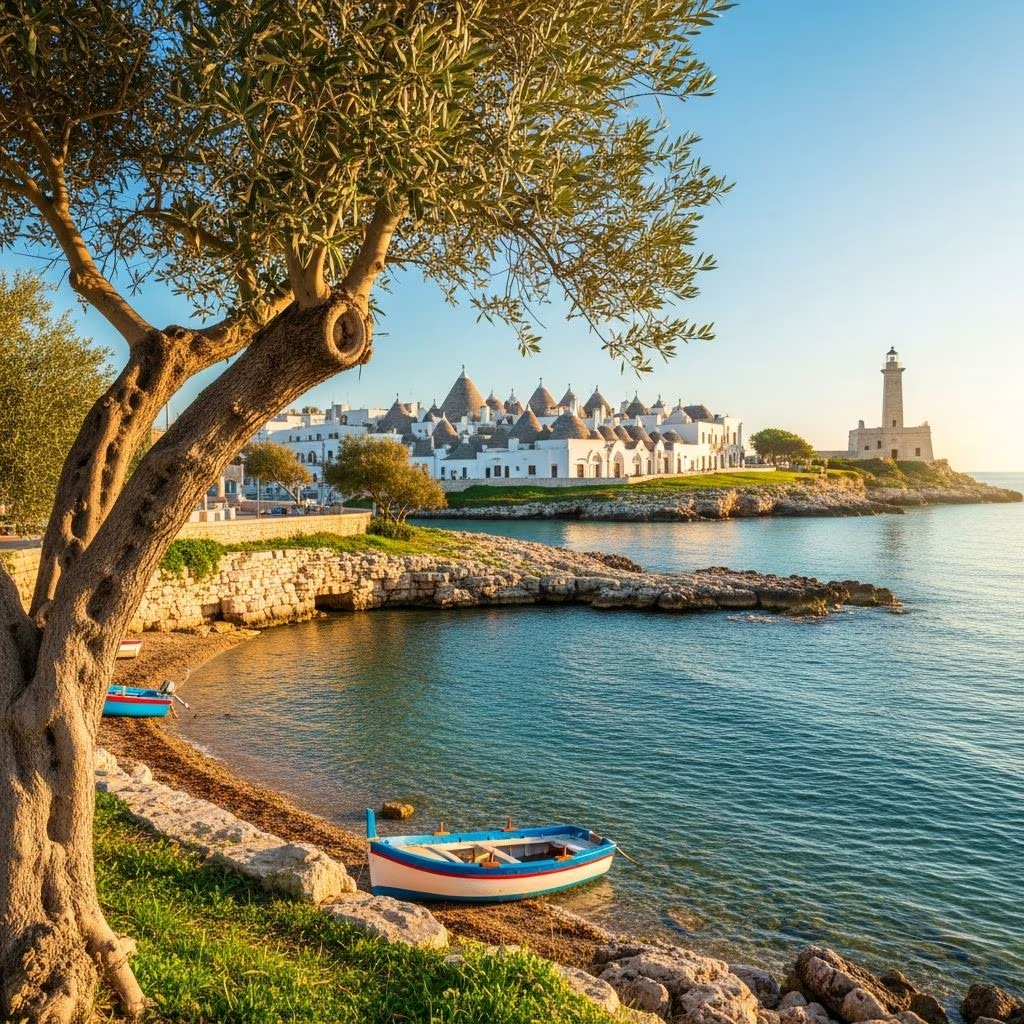
South of the regional capital, an agricultural valley contains some of Italy’s most distinctive architectural heritage. Traditional stone dwellings featuring conical roofs represent a unique building tradition developed to suit local climate and available materials. These structures, which appear almost fantastical to first-time visitors, create an otherworldly landscape. The settlement containing the highest concentration of these traditional buildings holds UNESCO World Heritage status and functions as both an active community and open-air architectural museum.
Villages throughout this valley maintain authentic character despite tourism development. Local residents continue traditional occupations, family-run restaurants serve generational recipes, and artisan workshops produce ceramics and other handcrafted goods.
The region’s southern reaches showcase exceptional Baroque architecture accumulated over centuries. This distinctive style permeates not just major monuments but entire town centers, with palaces, churches, and civic buildings all reflecting the ornate aesthetic. The major city in this area functions as the cultural heart of southern heritage tourism, featuring extensive architectural treasures ranging from Roman amphitheaters to Byzantine mosaics.
The region maintains some of Italy’s strongest food traditions, with recipes passed through families for generations. Local pasta shapes specifically suited to regional sauce preparations create authentic dishes found nowhere else. Locally-produced cheese products, including fresh preparations that cannot be transported long distances, represent culinary treasures accessible only through direct travel.
Coastal towns specialize in seafood preparations utilizing locally-caught varieties. The region’s mussels and crustaceans appear on restaurant menus throughout the area, prepared according to time-honored techniques. Artisanal bread production continues in several towns, with one variety achieving European designation of origin status recognizing its authentic production methods.
Throughout summer months, local communities host food-centered celebrations showcasing seasonal products and traditional preparations. These events extend beyond tourist attractions, often representing genuine community gatherings where local residents participate alongside visitors. Festival participation offers immersive experiences in regional culture, music, and social traditions.
The region supports multiple travel modes accommodating different preferences and physical capabilities. Automobile rental provides maximum flexibility for exploring rural areas and scheduling day trips independently. Public transportation connects major settlements, offering economical options for those preferring not to drive.
Increasingly popular among active travelers, bicycle touring allows intimate engagement with landscapes and villages. Organized cycling trips operate throughout warmer months, with spring offering particularly pleasant weather conditions. This transportation method permits accessing smaller settlements and rural landscapes less accessible via automobile.
Most travel advisors recommend selecting 2-3 base locations for a week-long itinerary rather than changing accommodations daily. This approach reduces logistics stress while allowing thorough exploration of specific areas. Each major town offers various accommodation options from luxury hotels to family-operated guesthouses.
Spring months provide ideal conditions for exploration, with moderate temperatures, lower accommodation prices, and fewer crowds than summer peaks. August represents the busiest season, particularly attracting domestic Italian travelers seeking affordable beach vacations within their country. Shoulder seasons like May and September offer pleasant weather with reduced tourist density compared to peak summer months.
The area combines relatively underdeveloped tourism infrastructure with exceptional natural and cultural attractions, creating an authentic experience where residents maintain traditional lifestyles alongside accommodation and dining for visitors. This balance between accessibility and authenticity attracts travelers seeking alternatives to crowded major cities.
A minimum of 4-5 days allows sampling major attractions and nearby villages. Seven days permits more relaxed exploration of multiple areas, including day trips and coastal activities. Longer stays enable deeper immersion in local culture and community participation in seasonal events.
Spring and autumn accommodate walk-in visitors reasonably well, while July and August require advance reservations for accommodations and popular activities. Early booking ensures better selection and often provides significant discounts.
Personal automobile rental offers maximum flexibility for independent travelers comfortable with European driving conditions. Public transportation suits those preferring not to drive, though connections between smaller settlements may be limited. Organized tours provide structured experiences and local expertise.
Spring and autumn require layers for temperature variations between coastal and elevated areas. Summer necessitates sun protection, light breathable clothing, and footwear suitable for walking historic stone streets. Comfortable walking shoes prove essential for all seasons given the prevalence of cobblestone streets and hill climbing.
While tourism development has increased accessibility and services, the region maintains character distinguishing it from over-commercialized destinations. Remote villages, family-operated restaurants, and craft traditions continue flourishing. Strategic travel choices, such as dining where locals eat and visiting villages during off-peak seasons, enhance authentic encounters.
The region’s slow-living philosophy, characterized by leisurely meals, afternoon rest periods, and evening social gatherings, permeates daily rhythms. Visitors adopting this pace discover that rushing through attractions contradicts the regional ethos and diminishes travel satisfaction. Building flexibility into itineraries allows responding to serendipitous discoveries, unexpected recommendations from locals, and weather-dependent activities.
Multiple layers of historical influence have shaped regional identity, from Roman foundations through Byzantine, Islamic, Norman, and European medieval periods. Archaeological sites, architectural styles, artistic traditions, and even food reflect this diverse heritage. Understanding this historical context enriches visitor appreciation of contemporary culture and landscapes.
UNESCO designations recognize several sites for their exceptional cultural value, though equally significant locations lack official recognition. This distinction reflects practical heritage preservation policies rather than relative importance, suggesting visitors should explore beyond officially designated sites.
