

 Travel Essentials
 Travel Essentials

Complete travel guide covering Qatar's climate, culture, transportation, attractions, and essential visitor information for first-time travelers.
 Travel Essentials
Qatar represents a compelling destination for travelers seeking to experience the intersection of Middle Eastern tradition and contemporary innovation. Located in the Persian Gulf, this small yet dynamic nation has emerged as a significant tourism hub, offering visitors an authentic blend of cultural experiences, architectural marvels, and natural wonders. Before embarking on your journey to this fascinating country, understanding key aspects of travel logistics, cultural norms, and practical information will significantly enhance your experience.
Qatar occupies a strategic position in Western Asia, with Doha serving as its capital and primary hub for international travelers. This constitutional monarchy has undergone remarkable transformation over recent decades, investing substantially in tourism infrastructure and hospitality services to welcome visitors from around the globe. The nation’s commitment to welcoming international guests is evident in its modern airports, sophisticated transportation systems, and world-class accommodations.
The population composition reflects Qatar’s international character, with approximately 85% of residents being expatriates from diverse nations. This multicultural society creates a cosmopolitan atmosphere while maintaining strong connections to traditional Qatari heritage and Islamic values.
Qatar experiences a desert climate characterized by year-round sunshine and dramatic temperature variations. Understanding these climatic patterns is essential for comfortable travel planning. The country enjoys relatively mild winters, with average temperatures ranging from 17°C (63°F) in January to significantly warmer conditions as spring approaches.
Summer months present extreme heat challenges, with average temperatures reaching 36°C (97°F) in July and frequently exceeding 40°C (104°F). During these months, outdoor activities become uncomfortable during midday hours, making early morning or evening excursions preferable. Many travelers strategically schedule visits during the cooler months between October and April, when weather conditions favor exploration and outdoor activities. Desert safari experiences, for instance, prove most enjoyable during sunrise and sunset hours, providing cooler temperatures and stunning visual conditions.
Arabic serves as Qatar’s official language, yet English is extensively spoken throughout the country, particularly in tourism sectors, hospitality establishments, and major commercial centers. Most travelers will navigate communication challenges with ease, as English proficiency among service providers is notably high.
Qatar boasts world-leading digital infrastructure, being the first country globally to introduce commercial 5G network technology. Free WiFi access is readily available at Hamad International Airport, shopping centers, restaurants, and public parks, ensuring visitors maintain connectivity throughout their stay. This technological advancement facilitates seamless communication and travel planning while exploring the nation.
While Qatar maintains Islamic traditions and cultural values, the country demonstrates relative openness toward international visitors regarding attire. Tourists are not subject to enforcement of strict dress codes, and women are not required to wear hijabs. However, demonstrating respect for local customs through appropriate clothing choices reflects cultural sensitivity and ensures a more positive experience.
Recommended attire emphasizes modesty through garments that cover shoulders and knees, avoiding excessively tight fits or prominent necklines. This approach balances personal comfort with cultural consideration. Such mindful dress choices facilitate better interactions with local residents and demonstrate awareness of the destination’s values. The principle of “common sense and respect for local customs” should guide clothing selections.
Qatar offers comprehensive and well-maintained transportation options suitable for all travel preferences. The Doha Metro represents a modern, clean, and efficient system connecting numerous key attractions throughout the capital. This metro system has transformed urban mobility, providing affordable and convenient transit for tourists and residents alike.
Taxis and ride-hailing applications offer reliable alternatives for point-to-point transportation, with drivers generally knowledgeable about major destinations. For independent explorers, car rental provides flexibility for discovering desert regions, coastal areas, and archaeological sites beyond the metropolitan center. Qatar’s road infrastructure demonstrates exceptional maintenance standards, with clear signage and driving conditions that are notably straightforward compared to other regional destinations.
While card payments are widely accepted throughout major establishments in Qatar, carrying some Qatari Riyal (QAR) currency proves practical for transactions at smaller cafés, street vendors, and traditional market stalls that may not process electronic payments. ATMs are conveniently distributed throughout urban areas, providing straightforward access to local currency. Understanding that not every small establishment accepts cards helps travelers plan cash management strategies effectively.
Strategic timing enhances the quality of tourist experiences significantly. Major attractions like Souq Waqif and the Corniche waterfront operate continuously, yet visiting during early morning hours or late evening periods provides distinct advantages. These off-peak times offer cooler temperatures, fewer crowds, and opportunities to experience these locations with greater tranquility and authentic atmosphere. Late evening visits particularly reward travelers with spectacular sunset views and a more leisurely exploration pace.
Prayer times influence business hours for numerous small shops and cafés, which may close briefly during prayer periods typically occurring around midday and sunset. Awareness of these scheduling patterns prevents unnecessary disruptions to travel itineraries and demonstrates respect for religious practices.
Cultural and Historical Sites
Souq Waqif stands as Qatar’s most iconic marketplace, where centuries-old trading traditions persist within atmospheric alleyways. This bustling market offers immersive cultural experiences, traditional Qatari cuisine, spice selections, textiles, and authentic souvenirs that reflect the nation’s heritage. The sensory experience of navigating this marketplace provides genuine connection to local commerce and culture.
The Museum of Islamic Art represents an architectural masterpiece overlooking the waterfront, housing world-class collections of Islamic artistic traditions. This institution combines exceptional curatorial standards with stunning design, making it essential for culturally-oriented visitors. The National Museum of Qatar showcases the country’s historical trajectory and rapid transformation through immersive exhibits and innovative presentation methods.
Katara Cultural Village functions as a comprehensive cultural hub featuring galleries, theatrical venues, and beautifully designed public spaces celebrating Qatar’s heritage. The intricate mosque within the complex, adorned with detailed mosaics, represents architectural excellence worth exploring early in the morning before crowds arrive.
Outdoor and Leisure Activities
Desert experiences remain quintessential Qatari adventures. Desert safaris incorporate dune bashing activities, sandboarding opportunities, camel rides, and traditional Bedouin-style encampments under open skies. These experiences authentically connect visitors with desert landscapes and nomadic cultural traditions. Timing these excursions for sunrise or sunset hours maximizes comfort and photographic opportunities, while midday activities prove unbearably hot and dusty. Bringing protective items like scarves or bandanas helps mitigate sand exposure.
Khor Al Adaid, known as the Inland Sea, represents a breathtaking natural phenomenon where desert terrain transitions dramatically into marine environments. This UNESCO World Heritage site provides striking visual contrasts and natural beauty that impress first-time visitors. Al Zubarah Fort and its associated archaeological site document Qatar’s historical significance and maritime heritage.
Leisure and Recreation
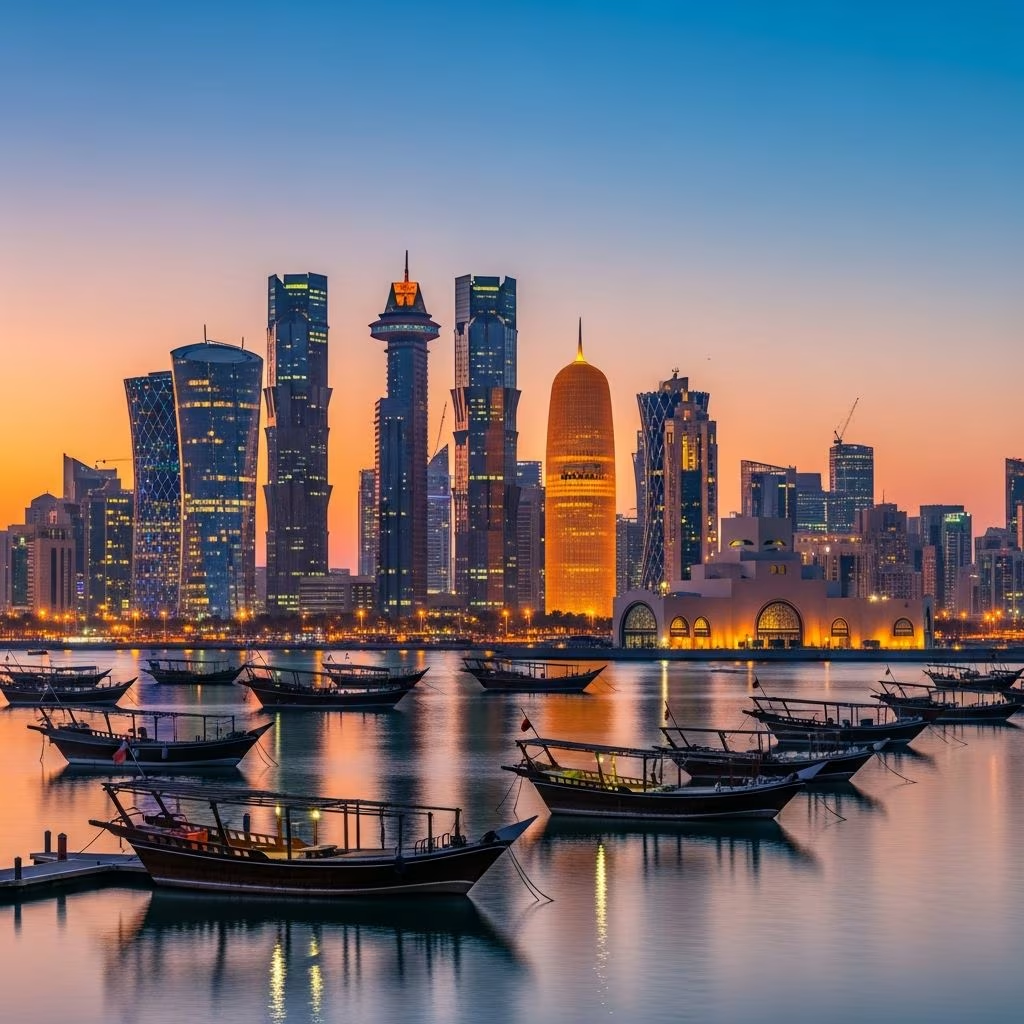
The Corniche waterfront offers scenic strolls combining views of Doha’s modern skyline with traditional dhow vessels, creating visual narratives of the city’s evolution. Katara Beach and The Pearl-Qatar provide sun, sand, and water recreational facilities catering to various leisure preferences.
Unlike certain Islamic nations, Qatar permits alcoholic beverage consumption within designated licensed establishments, primarily hotel bars and restaurants. However, taxation policies substantially increase alcohol costs, with imported beer typically priced around US$10 per serving. Importing alcohol into Qatar or displaying public intoxication constitutes serious legal violations. Understanding these parameters helps travelers navigate social situations respectfully and legally.
Parking in Doha requires attention to regulatory signage; while free street parking exists in certain zones, violations result in strictly enforced penalties. Free parking infrastructure varies by neighborhood, necessitating careful observation of posted regulations.
Qatar consistently ranks among the world’s safest countries for travelers, with extremely low crime rates and well-maintained public spaces. This safety foundation creates confidence for independent exploration and nighttime activities. The seamless balance between historical preservation and contemporary development provides visitors opportunities to experience traditional marketplaces in morning hours, appreciate futuristic architecture during daytime exploration, and witness spectacular desert sunsets by evening.
First-time visitors to Qatar benefit from structured yet flexible planning approaches. Beginning with Doha’s highlights—from Souq Waqif’s vibrant atmosphere to the Corniche’s waterfront serenity and Katara Village’s cultural significance—establishes solid foundational experiences. This concentrated urban exploration can be supplemented with day excursions to desert environments or archaeological sites, accommodating various interest levels and energy preferences.
The compact geography of Qatar enables efficient itinerary design. While distances between attractions are manageable, diverse experiences ranging from ultramodern luxury facilities to traditional cultural expressions ensure meaningful engagement for varied traveler interests. Whether seeking architectural innovation, cultural immersion, adventurous desert experiences, or leisurely coastal relaxation, Qatar accommodates diverse travel motivations within a single compact destination.
Common perceptions frequently present Qatar as exclusively either ultraconservative or purely luxury-focused, yet reality encompasses nuanced middle ground. The nation simultaneously offers futuristic skyscrapers alongside traditional souqs, high-end hotels coexisting with neighborhood cafés, and polished urban centers merging with slower-paced rhythms away from commercial districts. This multifaceted character creates rich experiences for travelers seeking authentic engagement with both traditional heritage and contemporary dynamism.
Qatar represents an evolution in progress—a nation consciously balancing rapid modernization with cultural preservation. This ongoing transformation makes the country particularly compelling for travelers interested in witnessing how societies navigate development while maintaining identity. Visitors witness centuries-old trading traditions operating within modern urban contexts, archaeological treasures juxtaposed against contemporary museums, and traditional values coexisting with international cosmopolitanism.
Travelers should verify specific visa requirements through official Qatar Airways resources or their respective embassies, as entry regulations vary based on nationality and current diplomatic circumstances. Having valid passport documentation, understanding duration limitations, and confirming any health or vaccination requirements ensures smooth entry processes. Planning ahead regarding documentation prevents travel disruptions and facilitates seamless border procedures.
Qatar offers visitors extraordinary opportunities to experience Middle Eastern culture, witness architectural innovation, engage in desert adventures, and explore historical traditions within a single compact destination. The nation’s commitment to hospitality, combined with its modern infrastructure and rich cultural heritage, creates compelling reasons for travel consideration.
Success in Qatar travel fundamentally depends upon flexible preparation, cultural respect, and openness to experiencing unexpected discoveries. Whether exploring centuries-old marketplaces, marveling at contemporary architectural achievements, or witnessing natural desert beauty, Qatar rewards thoughtful travelers with memories of a destination that authentically bridges tradition and modernity.
