

 Travel Essentials
 Travel Essentials

A comprehensive guide for first-time visitors to Quebec City, covering historic districts, river activities, cultural attractions, and practical travel tips.
 Travel Essentials
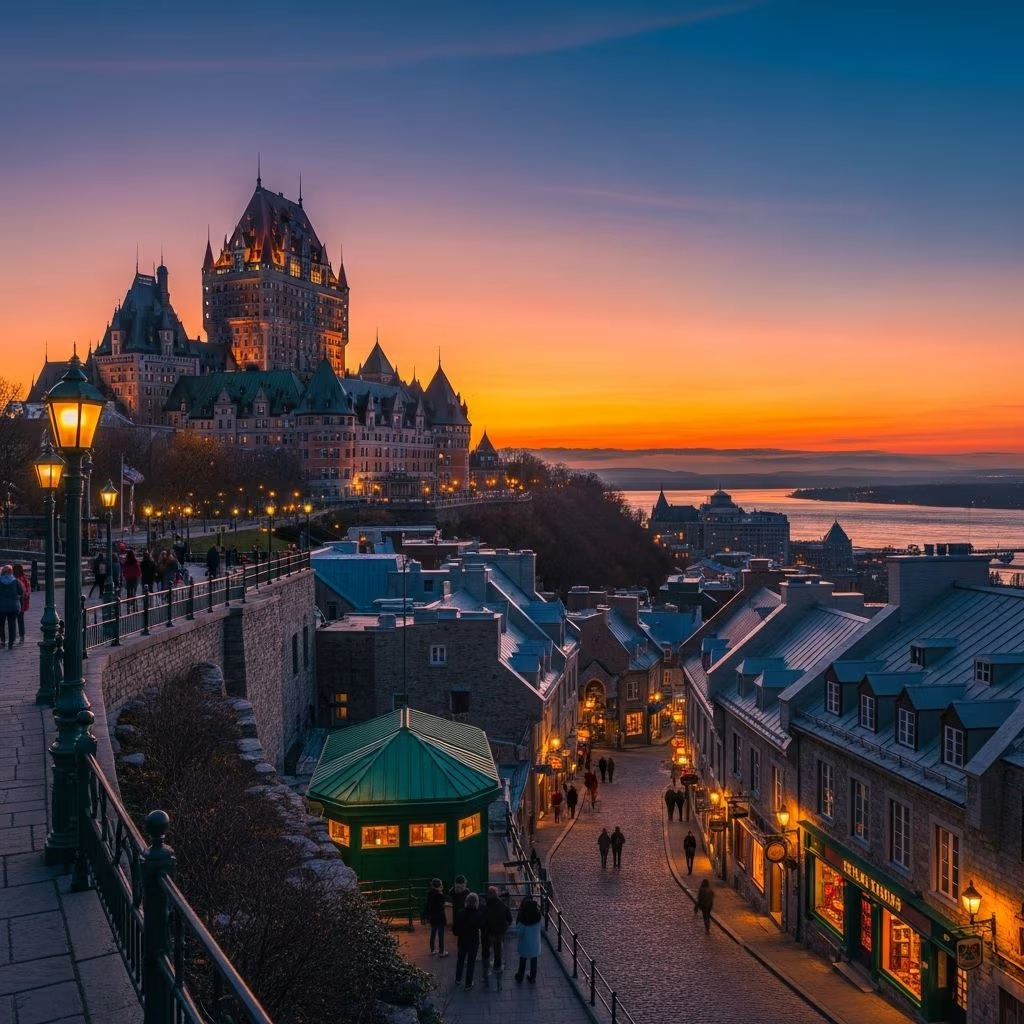
Quebec City stands apart as one of North America’s most captivating destinations, offering visitors an intoxicating blend of European charm, rich history, and natural beauty. Perched along the majestic St. Lawrence River, this fortified city has maintained its distinctive character and cultural identity for centuries, making it an essential experience for travelers seeking authenticity and architectural splendor.
The St. Lawrence River forms the lifeblood of Quebec City, shaping both its development and contemporary character. This waterway, spanning approximately 800 miles and connecting Lake Ontario to the Atlantic Ocean, fundamentally influences how visitors experience the capital. The river’s dramatic presence creates stunning vistas throughout the city, offering endless opportunities for photography and contemplation.
Positioned on the river’s banks, Quebec City presents a landscape where historic architecture meets natural grandeur. The topography includes elevated areas providing panoramic views and lower districts where the urban fabric meets the water’s edge. This vertical dimension of the city adds visual complexity and creates multiple perspectives for exploration.
First-time visitors should prioritize exploring Old Quebec, the fortified district that distinguishes this city from other North American destinations. Cobblestoned streets wind through neighborhoods filled with colonial-era buildings, many featuring distinctive architecture that reflects French heritage and centuries of habitation.
The most iconic landmark, the Château Frontenac, dominates the skyline and serves as a visual anchor throughout the city. This grand hotel-castle represents architectural ambition and has become inseparable from Quebec City’s identity. Visitors frequently find themselves returning to views of this structure throughout their explorations, as it appears from numerous vantage points along the river and throughout historic neighborhoods.
The Dufferin Terrace offers one of the most accessible yet spectacular viewpoints in the city. Whether accessed on foot or via the Funicular railway, this elevated promenade provides unobstructed vistas of the Château Frontenac and the St. Lawrence River spreading out below. The terrace serves as both a scenic destination and a practical hub connecting different districts of the city.
The river itself functions as both a scenic backdrop and an active recreation zone. Several distinct ways to engage with this waterway cater to different interests and comfort levels.
Departing from the Old Port, guided cruises provide structured introductions to the river and its surrounding geography. These excursions typically navigate from central Quebec City toward significant natural features, with most trips lasting approximately 90 minutes. Professional guides provide historical context and cultural information while passengers observe landmarks from the unique perspective of the water.
Cruises typically showcase the Montmorency Falls, a striking natural attraction, and Île d’Orléans, an island region with its own distinct character. The audioguide systems available on many commercial cruises offer information in multiple languages, accommodating international visitors. These structured experiences remove navigation concerns, allowing visitors to focus entirely on observation and learning.
The Quebec-Lévis ferry represents an authentic and practical way to experience the river. Operating year-round, this crossing typically requires approximately one hour and provides travelers with intimate views of the riverscape. Unlike leisure cruises, ferries serve as functional transportation links, carrying residents and visitors between communities and creating opportunities for candid observation of river conditions and seasonal changes.
Winter crossings become particularly dramatic when floating ice chunks collide, creating memorable visual experiences and emphasizing the river’s powerful natural forces. Photographers specifically target winter months for their distinctive ice formations and atmospheric conditions.
The St. Lawrence supports diverse recreational pursuits accommodating varying skill levels and preferences. Baie de Beauport, situated near the city, provides accessible water-sports infrastructure. Available activities include windsurfing, sailing with catamarans, kayaking, stand-up paddleboarding, and kite surfing. These pursuits appeal to visitors seeking more dynamic engagement with the river environment.
The Promenade Samuel-De Champlain represents a transformative urban reclamation project. Created for Quebec City’s 400th anniversary celebration in 2008, this 1.5-mile park stretches along the riverbank, literally “giving the river back to the people” by converting industrial waterfront space into public recreational area. The promenade includes multiple components serving diverse visitor needs.
Walking paths meander through themed stations and observation areas. An interpretation tower provides elevated perspectives. Parks and gardens soften the landscape with natural elements. A welcoming center orients visitors and provides information about river heritage and environmental significance. The promenade functions both as a destination and as a practical connector between different city quarters.
Quebec City’s identity emerges from centuries of intersection between Indigenous peoples, French colonizers, and subsequent arrivals. The river served not merely as a geographical feature but as a highway facilitating trade, communication, and cultural exchange. Understanding this historical context deepens appreciation for contemporary attractions and preserved areas.
The ice canoe tradition illustrates this historical-contemporary connection. Originally developed as a practical winter transportation method enabling movement between Quebec City and Lévis when rivers froze, ice canoeing has evolved into a competitive sport. This transformation from utilitarian necessity to recreational pursuit mirrors broader patterns of how communities adapt historical practices to contemporary contexts.
Quebec City presents distinctly different experiences across seasons. Summer months bring extended daylight, comfortable temperatures, and maximum accessibility to water-based activities and outdoor attractions. Cruise operations typically run from May through November, aligning with favorable weather conditions.
Winter transforms the city into a crystalline landscape where ice dominates the visual environment and seasonal traditions emerge. While certain activities become impractical, unique winter experiences become available, including ice sports and winter-specific aesthetic qualities. Visitors should consider their climate comfort and activity preferences when timing their visits.
Structuring a first-time visit requires balancing landmark tourism with unhurried exploration. A multi-day stay allows experiencing both organized tours and spontaneous discovery. Consider allocating specific days to river activities while preserving time for wandering historic streets and discovering smaller attractions.
The Old Port functions as a practical hub where numerous boat excursions originate. Positioning yourself near this district allows flexible engagement with water-based options without extensive travel. Morning departures typically offer calmer water conditions and superior photography opportunities.
The St. Lawrence Whales and Wonders Trail extends from Quebec City northward toward Côte-Nord, following the river as it transitions from river to estuary to gulf. This road-trip route incorporates not merely scenic driving but access to regional food producers, fjord experiences, and opportunities to observe marine wildlife including whales. This extended exploration appeals to visitors with additional time and interest in deepening their relationship with the waterway.
Commercial cruise operators provide onboard bistro services with food and beverage menus available throughout excursions. This convenience accommodates travelers who prefer not interrupting their river experiences for shore-based meals. Multiple departure times throughout the day offer flexibility for different schedules and preferences.
Summer through mid-fall offers optimal conditions for most water-based activities, with cruise operations typically running May through November. Winter provides unique ice-related experiences but limits some recreational options.
Most guided sightseeing cruises operate for approximately 90 minutes, with multiple daily departures allowing flexible scheduling.
Yes. The Quebec-Lévis ferry provides year-round water access, the Promenade Samuel-De Champlain offers extensive pedestrian riverside experiences, and water sports like kayaking and paddleboarding provide active alternatives.
Quebec City is North America’s only remaining fully fortified city, maintaining distinctive European architecture, French cultural heritage, and dramatic riverside setting along the St. Lawrence River.
Many commercial cruises feature onboard bistro menus. The Promenade Samuel-De Champlain includes dining establishments, and the Old Port district contains numerous restaurants.
| Activity | Duration | Season | Starting Point |
|---|---|---|---|
| Guided River Cruises | ~90 minutes | May-November | Old Port |
| Quebec-Lévis Ferry | ~60 minutes | Year-round | Old Port |
| Promenade Walk | 1-3 hours | Year-round | Multiple access points |
| Water Sports | Variable | May-September | Baie de Beauport |
| Dufferin Terrace Visit | 1-2 hours | Year-round | Upper Old Quebec |
Quebec City rewards both structured planning and spontaneous exploration. The interplay between historic preservation and contemporary life, between European aesthetics and North American context, creates a destination that reveals new dimensions with extended engagement. The St. Lawrence River serves as both the city’s defining geographic feature and its connection to broader regional and continental networks.
First-time visitors should resist the impulse to rush through major attractions, instead allowing themselves time to wander side streets, observe daily life in historic neighborhoods, and experience the river from multiple perspectives. Whether viewing the Château Frontenac from a river cruise, walking the Dufferin Terrace at sunset, or traversing the Promenade Samuel-De Champlain, the city consistently rewards patient observation and thoughtful engagement.
