


 Food & Culture
Food & Culture
Quiet Dining: Why Michelin Restaurants Are Cutting the Noise
Explore how elite restaurants combat excessive noise for better dining, from design tweaks to apps and campaigns sparking global change.
 Food & Culture
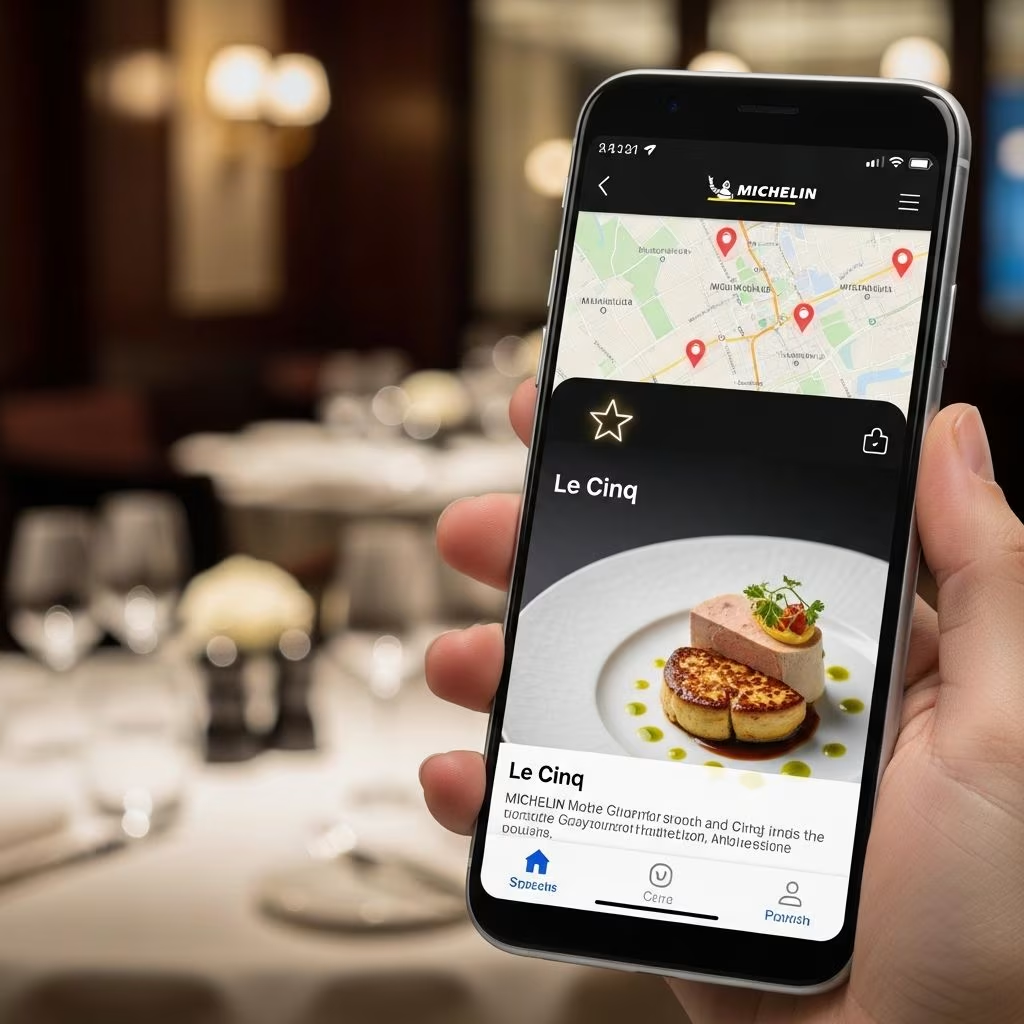
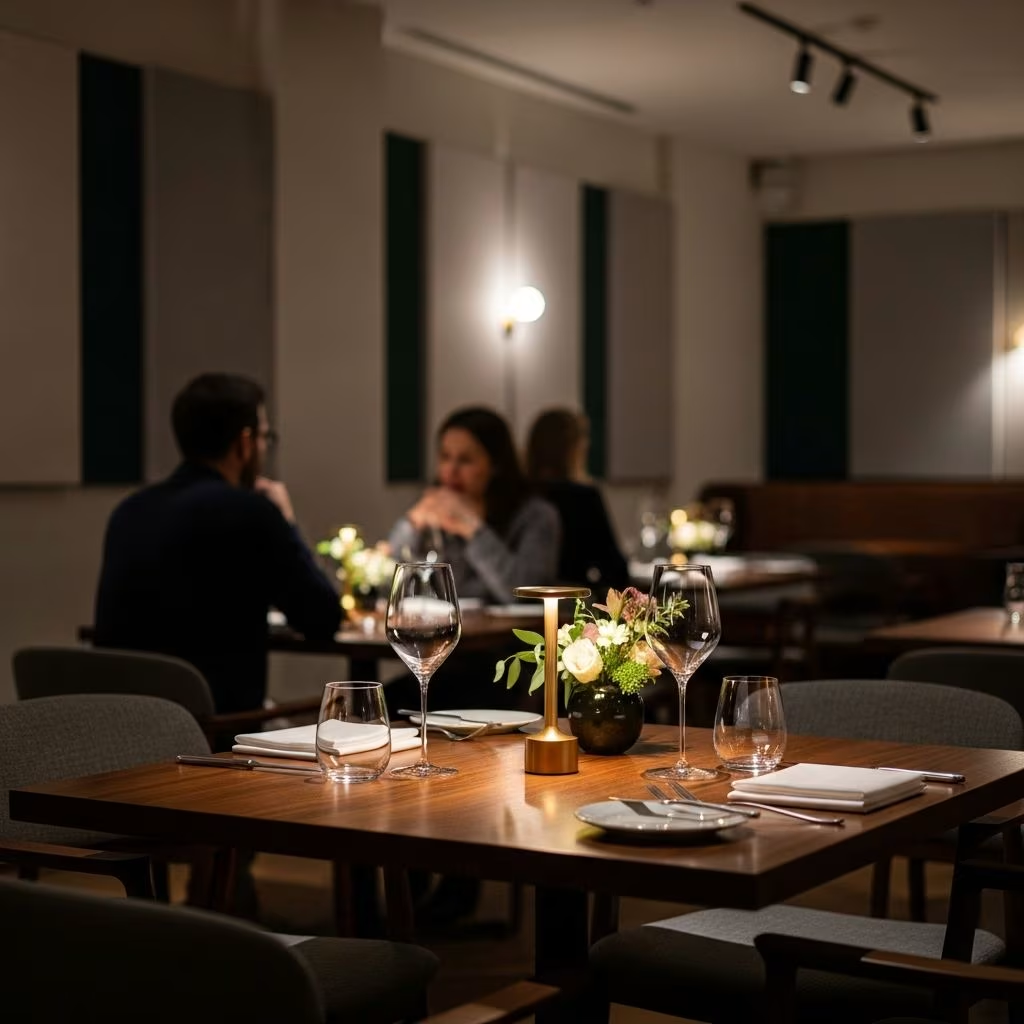
High-end restaurants, including those with Michelin distinctions, are increasingly prioritizing acoustic tranquility to elevate the culinary journey. This shift addresses widespread complaints about overwhelming noise levels that detract from savoring exquisite dishes.
The Surge in Restaurant Noise Levels
Over recent decades, dining environments have transformed dramatically. What was once a haven of soft conversations and clinking silverware has evolved into cacophonous spaces pulsing with amplified music and reverberating chatter. This change stems from deliberate design choices by restaurateurs aiming for a vibrant, youthful vibe, but it often compromises the core pleasure of a meal.
Studies and observations reveal that many urban eateries now exceed 90 decibels, a threshold akin to heavy traffic or power tools, posing risks to hearing health with prolonged exposure. For staff enduring shifts in such conditions, the impact is even more severe, potentially leading to irreversible auditory damage.
- Replacement of sound-absorbing fabrics like carpets and curtains with hard surfaces such as wood and glass amplifies echoes.
- High-volume background tracks, pioneered by influential chefs in the 1990s, set a trend that persists today.
- Crowded table arrangements minimize space, intensifying sound buildup.
Why Silence Enhances Fine Dining
In gourmet settings, where flavors are nuanced and presentations meticulous, noise pollution undermines appreciation. Diners struggle to engage in meaningful dialogue or fully attune to subtle tastes when bombarded by ambient roar. Acoustic comfort thus emerges as a vital facet of luxury hospitality, comparable to ambiance and service quality.
Patrons, particularly those seeking intimate evenings or respite from daily hustle, value venues where whispers carry and meals unfold in harmony. This preference fuels demand for ‘quiet dining’ designations, signaling commitment to serene atmospheres.
Pioneering Campaigns for Hushed Halls
Spain’s ‘Eating Without Noise’ initiative exemplifies proactive response, rallying 22 establishments—including Michelin-honored ones like Restaurante Martín Berasategui and Hotel Único—to pledge quieter operations. Participants adopt measures ensuring relaxed experiences, especially for premium cuisine.
Campaign leaders advocate architectural adjustments: superior insulation, noise-dampening interiors, and generous table spacing. They envision prestigious guides like Michelin incorporating sound metrics into evaluations, potentially rating venues on auditory excellence alongside culinary prowess.
| Noise Reduction Strategy | Benefits | Examples |
|---|---|---|
| Soundproofing materials | Minimizes external and internal echoes | Acoustic panels, soft furnishings |
| Table spacing optimization | Reduces voice overlap | 20% more space between seats |
| Volume-controlled audio | Preserves conversation clarity | Background levels under 70 dB |
Tech Tools Empowering Diners
Mobile applications are democratizing access to peaceful dining. SoundPrint, created by a hearing-impaired developer, lets users gauge and log decibel readings, building a database of ear-friendly spots in cities like New York, San Francisco, and New Orleans. Users scan venues for safety, aiding those with auditory sensitivities or general aversion to din.
Similarly, IHearU functions as a noise-rating platform, akin to review aggregators but focused on soundscapes. Bay Area diners contribute feedback, helping others select tranquil alternatives amid the clamor.
- Real-time metering for on-site checks.
- Crowd-sourced maps highlighting quiet gems.
- Alerts for hazardous levels above 85 dB.
High-Profile Venues Embrace Change
Michelin-starred restaurants, symbols of excellence, are at the vanguard. In Spain, elite kitchens join anti-noise pledges, recognizing that silence amplifies sensory delight. Globally, forward-thinking owners retrofit spaces: installing baffles, reinstating linens, and curating subdued playlists.
This movement extends beyond Europe. U.S. chains and independents experiment with ‘quiet hours,’ dimming music post-peak to cater to evening crowds craving calm. The trend signals a broader reevaluation of what constitutes a stellar night out.
Health Implications of Dining Din
Beyond annoyance, excessive restaurant racket threatens well-being. The World Health Organization classifies prolonged 90+ dB exposure as harmful, linking it to stress, hypertension, and tinnitus. Vulnerable groups—elderly, children, hearing aid users—face amplified risks in lively bistros.
Employees bear the brunt, with daily immersion accelerating hearing decline. Advocacy groups push for regulations mandating noise monitoring, much like food safety protocols.
Design Innovations for Serene Spaces
Architects specializing in hospitality now prioritize phonics. Curved ceilings diffuse sound waves, while modular partitions create intimate zones without isolation. Natural elements like plants and water features mask residual hum organically.
Lighting plays a role too: softer glows encourage lower voices, fostering a relaxed demeanor. These holistic upgrades yield venues where cuisine shines undistracted.
Diner Etiquette in the Modern Era
Individual actions complement institutional efforts. Mindful behaviors—speaking softly, silencing devices, grouping reservations—curb collective clamor. Campaigns educate on volume awareness, promoting ‘conversational dining’ over shouting matches.
Some spots introduce signals: table cards requesting discretion or staff gently reminding boisterous groups. Such nudges cultivate cultures of consideration.
Global Perspectives on Acoustic Ambiance
While Spain leads with organized drives, parallels emerge worldwide. Japan’s kaiseki houses embody whisper-quiet reverence, influencing Western adopters. In contrast, American hotspots grapple with party-like volumes, spurring backlash via social media and apps.
Europe’s fine-dining scene, steeped in tradition, views hush as heritage. As tourism rebounds, quiet oases become competitive edges, drawing sophisticates worldwide.
Future of Sound in Gastronomy
Looking ahead, acoustic criteria may permeate star systems. Imagine Michelin inspectors wielding sound level meters alongside tasting spoons. Soundscape designers could rival sommeliers in prestige.
Consumer power accelerates this: apps aggregate demand, pressuring holdouts to adapt. Ultimately, quieter tables promise richer experiences, where every bite and banter resonates perfectly.
Frequently Asked Questions
What decibel level is safe for dining?
Under 70 dB supports easy conversation; 80+ dB risks strain over time.
How can I find quiet restaurants?
Use apps like SoundPrint or IHearU for mapped ratings in supported cities.
Are Michelin restaurants typically noisy?
Many now prioritize quietude, with campaigns enlisting stars for serene pledges.
Why have restaurants gotten louder?
Trends from hard surfaces, loud music, and dense layouts since the 1990s.
Can noise affect health during meals?
Yes, levels above 90 dB may harm hearing, especially with repeated visits.
References
- Spain’s campaign to get some peace and quiet at dinner — The Telegraph. 2015-10-18. https://www.telegraph.co.uk/news/worldnews/europe/spain/12012846/Spains-campaign-to-get-some-peace-and-quiet-at-dinner.html
- The Rise of Restaurant Noise (and How to Fight It) — Audicus. N/A. https://www.audicus.com/blog/hearing-culture/the-rise-of-restaurant-noise/
On This Page
The Surge in Restaurant Noise Levels Why Silence Enhances Fine Dining Pioneering Campaigns for Hushed Halls Tech Tools Empowering Diners High-Profile Venues Embrace Change Health Implications of Dining Din Design Innovations for Serene Spaces Diner Etiquette in the Modern Era Global Perspectives on Acoustic Ambiance Future of Sound in Gastronomy Frequently Asked Questions← Previous
Bushfire North of Adelaide Sparks Evacuations and Highway Closures
Next →
Mombasa Street Festivals Boost Tourism, Food and Culture
Related Reading
More in Food & Culture
Food & Culture Food & Culture
 Food & Culture
Best Places to Eat in Rome: Neighborhood Dining Guide
 Food & Culture
 Food & Culture