Vietnam’s coastline stretches over 3,200 kilometers, yet many travelers concentrate their beach visits to a handful of well-known destinations. Quy Nhon, located in Binh Dinh Province along the country’s central coast, represents a refreshing alternative to these overcrowded tourist hotspots. This dynamic city combines modern urban infrastructure with preserved cultural heritage, creating an environment where travelers can experience authentic Vietnamese coastal living without sacrificing comfort or convenience.
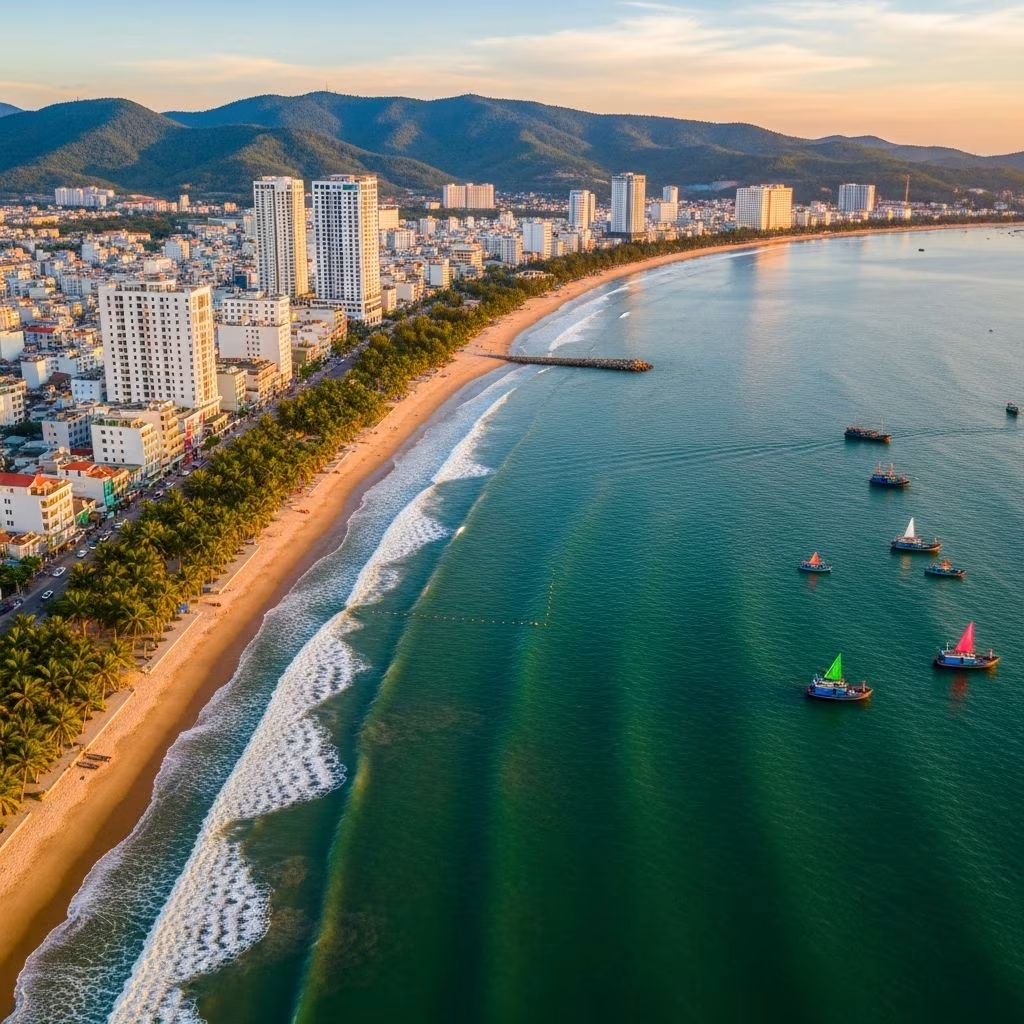
The transformation of Quy Nhon from a quiet fishing town into a thriving coastal city reflects broader economic changes across Central Vietnam. With its gleaming modern skyline, newly developed waterfront promenade, and steady influx of investment, Quy Nhon maintains a delicate balance between progress and preservation. The city welcomes approximately 300,000 residents and serves as an increasingly popular destination for both domestic and international tourists seeking genuine experiences beyond conventional tourist circuits.
Why Quy Nhon Stands Apart From Other Vietnamese Beach Cities
While neighboring coastal cities like Da Nang and Nha Trang have become synonymous with Vietnamese beach tourism, each attracting hundreds of thousands of visitors annually, Quy Nhon retains distinctive characteristics that appeal to discerning travelers. The city’s slower development pace, combined with its authentic fishing culture and less commercialized beaches, creates an atmosphere that feels genuinely Vietnamese rather than designed for tourist consumption.
The primary distinction lies in the city’s accessibility and authenticity. Quy Nhon’s location—roughly equidistant between Hoi An to the north and Nha Trang to the south—positions it as a logical stop on longer Vietnamese journeys, yet many travelers bypass it entirely in favor of better-known alternatives. This oversight presents advantages for visitors who do venture here, including lower accommodation costs, fewer queues at attractions, and genuine interactions with residents less accustomed to entertaining foreign tourists.
Navigating Seasonal Weather Patterns
Understanding Quy Nhon’s climate is essential for planning a satisfying visit. The city enjoys relatively pleasant weather throughout much of the year, though distinct seasonal variations affect travel comfort and experiences.
Optimal Travel Window: The period from December through April represents the most favorable timeframe for visiting Quy Nhon. During these months, daytime temperatures fluctuate between 22°C and 28°C (72°F to 82°F), providing comfortable conditions for outdoor exploration. Sunshine dominates the weather pattern, while precipitation remains minimal, creating ideal circumstances for beach activities, sightseeing expeditions, and evening waterfront strolls.
Peak Tourism Season: June through August witnesses surges in domestic tourism, with large tour groups and individual travelers descending upon Quy Nhon’s beaches. This period coincides with Vietnamese school holidays, resulting in crowded attractions, elevated accommodation prices, and increased dining demand. Temperatures climb to 30°C to 34°C (86°F to 93°F), occasionally accompanied by afternoon showers. Visitors seeking solitude should avoid this interval.
Shoulder Seasons: September through November introduces the region’s rainy season, making these months simultaneously the quietest and most economical for travel. While Central Vietnam occasionally experiences typhoons, Quy Nhon itself typically avoids direct hits, though heavy rainfall from regional storms remains possible. Budget-conscious travelers and those seeking fewer crowds may find this period surprisingly rewarding despite weather considerations.
Holiday Consideration: Tet, Vietnam’s Lunar New Year celebration occurring in late January or early February, should be avoided by those seeking normal travel conditions. This week-long holiday witnesses widespread business closures, limited transportation availability, and considerably elevated prices for remaining accommodations and services.
Essential Coastal Attractions and Natural Wonders
Quy Nhon’s main centerpiece is its five-kilometer beachfront promenade, a recently developed waterfront boulevard that separates the urban landscape from the golden expanse of Quy Nhon Beach. This modern infrastructure enhancement reflects the city’s transformation while preserving access to natural coastal beauty. During evening hours, the promenade buzzes with local activity—residents conducting their evening constitutional walks, impromptu sports competitions, and families enjoying the sea breeze.
Ky Co Beach: This secluded cove, accessible via short four-wheel drive excursion or organized boat tour, remains Quy Nhon’s most spectacular coastal destination. The combination of turquoise waters and pristine white sand creates landscape photography opportunities rarely encountered at commercialized Vietnamese beaches. While the location has gained increasing popularity among domestic travelers, it remains less developed than similarly stunning beaches in more established tourist areas.
Additional Beach Options: Bai Xep and Trung Luong beaches offer alternative coastal experiences with less commercial development than Ky Co. These stretches of sand maintain their natural character while providing excellent swimming, relaxation, and sunset observation opportunities.
Historical and Cultural Heritage Sites
Quy Nhon’s historical significance extends far beyond its contemporary role as a modern beach destination. The region served as the heartland of the Champa Kingdom, a sophisticated civilization that flourished between the 2nd and 15th centuries along Vietnam’s central coast.
Cham Tower Complexes: The Champa people earned distinction for their advanced brick-working techniques, a mastery reflected in the striking towers that remain scattered throughout Quy Nhon’s landscape. The Thap Doi (Twin Towers) located in the city center showcase beautiful preservation efforts and sit within landscaped gardens, making them accessible and visually impressive without requiring travel outside urban boundaries. The Banh It Towers, positioned approximately twenty kilometers from the city, occupy a hilltop location providing panoramic vistas across rice paddies and countryside terrain. These dual sites offer complementary experiences—one emphasizing historical preservation within urban settings, the other combining historical exploration with dramatic natural scenery.
Local Historical Museums: The Emperor Quang Trung Museum documents the achievements of Nguyen Hue, an eighteenth-century national hero born in Binh Dinh Province who orchestrated significant military victories in Vietnamese history. The museum provides essential context for understanding regional historical significance beyond its Cham heritage.
Cultural Villages: Tay Son Village preserves martial arts traditions associated with the region’s warrior heritage. Traditional gong performances and local festivals provide opportunities for cultural immersion and understanding of contemporary Vietnamese communities that maintain historical practices and traditions.
Culinary Excellence and Seafood Traditions
Quy Nhon’s culinary reputation centers on its extraordinary seafood offerings. The city’s location directly adjacent to productive fishing waters means fresh catches arrive at restaurants and street stalls within hours of being harvested. This freshness, combined with affordable pricing compared to more established tourist destinations, elevates Quy Nhon to an essential destination for food-focused travelers.
Xuan Dieu Street concentrates numerous restaurants serving comprehensive seafood menus featuring fish preparations, grilled crabs, and locally harvested mollusks. Street stalls throughout the city specialize in oc (snails), a local delicacy that represents essential Vietnamese coastal cuisine. For adventurous eaters, jellyfish noodles offer surprising textural contrasts—each bite combines soft noodles with the distinctive crunch of prepared jellyfish.
Evening dining experiences center around the night market atmosphere along Ngo Van So Street, where sizzling food stalls prepare nem nuong (grilled pork rolls) and various seafood specialties. This convivial environment captures the essence of Vietnamese street food culture while providing affordable, authentic dining opportunities.
Practical Navigation and Transportation
Quy Nhon’s compact city center remains easily navigable on foot, with hotels, restaurants, and shops clustered along the seaside promenade and adjacent streets. This concentration means most core attractions and dining options are within comfortable walking distance of central accommodations.
Local Transportation Options:
- Taxis and Rideshares: Readily available throughout the city center for short-distance travel at reasonable rates
- Motorbike Rentals: The most convenient option for longer excursions to countryside destinations and fishing villages, widely available throughout the city
- Car and Driver Hire: Available for travelers uncomfortable operating motorbikes, particularly valuable for multi-destination day trips
Regional Connectivity: Bus service connects Quy Nhon to Hoi An (approximately five hours travel time) and Nha Trang via train service (approximately six hours), positioning Quy Nhon as a logical waypoint on longer Central Vietnam itineraries.
Suggested Itineraries for Various Visit Durations
Two-Day Visit: This minimum duration allows coverage of core attractions and relaxation without excessive scheduling pressure. Day one typically encompasses beach time, exploration of the city center and waterfront promenade, and evening street food experiences. Day two can focus on historical exploration, including the Twin Cham Towers located within city boundaries and the Emperor Quang Trung Museum, followed by evening market exploration and casual beach walks.
Three-Day Plus Visits: Extended stays enable ventures beyond the city center to traditional fishing villages including Nhon Hai and Xuan Hai, providing glimpses into working fishing communities and local maritime traditions. Morning beach excursions to Ky Co can combine with afternoon explorations of coastal cliff formations at Eo Gio, or visits to the more distant Banh It Towers complex with its expansive countryside panoramas.
Accommodation Considerations
Quy Nhon’s accommodation landscape ranges from budget-friendly guesthouses to luxury resort developments, reflecting its evolution as a tourist destination. The city center concentrates mid-range and upscale options with convenient waterfront access, while outlying areas offer both value accommodations and exclusive resort experiences. Prices vary significantly by season, with summer months commanding premium rates while shoulder and rainy seasons offer substantial discounts.
Why Quy Nhon Merits a Place on Your Vietnam Itinerary
Quy Nhon represents the contemporary face of Central Vietnamese tourism—modern enough to provide genuine comfort and convenience, yet sufficiently underdeveloped to preserve authentic cultural and culinary traditions. The city welcomes visitors without the exhaustion induced by tourist saturation affecting more famous destinations. Travelers seeking pristine beaches, meaningful historical exploration, exceptional value, and genuine interactions with Vietnamese communities find Quy Nhon exceptionally rewarding.
Unlike heavily commercialized alternatives, Quy Nhon’s authenticity remains evident in daily life—welcoming residents, affordable luxuries, and countless hidden discoveries awaiting exploration. For travelers crafting Vietnam itineraries, Quy Nhon deserves serious consideration as a prime coastal destination capable of competing with better-known alternatives while offering superior value and authentic experiences.
Frequently Asked Questions
What is the most economical time to visit Quy Nhon?
September through November represents the cheapest period, though rainfall risk increases during this rainy season. Prices drop substantially compared to peak tourism months.
How many days should be allocated for a Quy Nhon visit?
A minimum of two days allows coverage of primary attractions and beach relaxation. Three or more days enables exploration of outlying fishing villages, distant historical sites, and coastal cliff formations.
Is Quy Nhon accessible from other major Vietnamese cities?
Yes, bus service connects to Hoi An (approximately five hours), while train service links to Nha Trang (approximately six hours).
What distinguishes Quy Nhon from other Vietnamese beach cities?
Quy Nhon maintains greater authenticity, lower commercialization, more affordable pricing, and fewer tourist crowds compared to better-known alternatives while providing comparable amenities and modern infrastructure.
What is the primary historical significance of Quy Nhon’s region?
Binh Dinh Province served as the heartland of the Champa Kingdom (2nd-15th centuries), evident in numerous brick towers and cultural heritage sites throughout the area.
References
- Quy Nhon Travel Guide: Top Attractions, Where to Stay & What to Eat — Indochina Charm Travel. 2025. https://indochinacharmtravel.com/quy-nhon-travel-guide/
- Guide to Quy Nhon, Vietnam — Lonely Planet. 2025. https://www.lonelyplanet.com/articles/guide-to-quy-nhon-vietnam
- Quy Nhon Travel Guide: Hidden Paradise in Vietnam — Where Goes Rose. 2025. https://www.wheregoesrose.com/visiting-quy-nhon-vietnam/