

 Travel Essentials
 Travel Essentials

Uncover Rapa Nui's iconic stone statues, hiking trails, cultural rituals, and practical travel tips for an unforgettable adventure on Easter Island.
 Travel Essentials
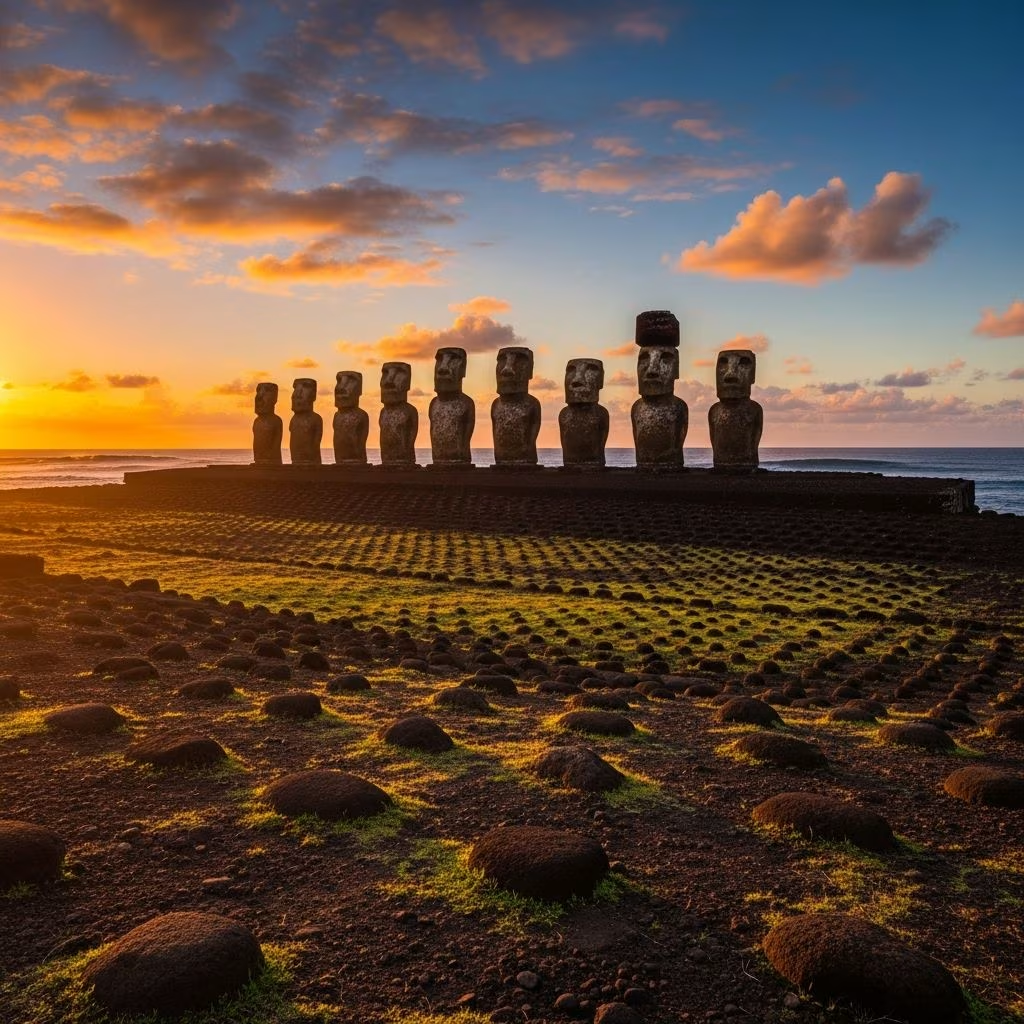
Rapa Nui, known globally as Easter Island, captivates with its colossal stone moai statues, lush volcanic landscapes, and enduring Polynesian traditions. This tiny speck in the Pacific Ocean, part of Chile, holds profound archaeological secrets and natural wonders that draw adventurers from afar. Nestled over 2,000 miles from mainland Chile, the island spans just 63 square miles, yet its impact is monumental. Visitors often describe the first sight of a moai as awe-inspiring, a moment that lingers long after departure.
At the heart of Rapa Nui’s allure are the moai—towering monolithic figures carved from volcanic tuff between the 13th and 16th centuries. Over 900 of these ancestral guardians dot the landscape, representing deified chiefs or ancestors. Most stand on ahu, ceremonial platforms facing inland to protect clans. Their oversized heads, elongated noses, and serene expressions embody Polynesian artistry and spiritual beliefs.
Scholars debate how these multi-ton behemoths were transported and erected, with theories involving wooden sledges, ropes, and even ‘walking’ via rocking motions. Recent studies suggest islanders used supernatural rituals alongside practical engineering. Today, restored moai at key sites offer glimpses into this lost ingenuity.
The inactive volcano of Rano Raraku served as the primary quarry, where 95% of moai were hewn. Half-finished statues litter the crater slopes, frozen mid-creation amid a surreal, eroded landscape. Walking among them feels like stepping into an ancient workshop. The site’s lake and reed boats add to its mystical aura.
Explore petroglyphs depicting birdman figures, hinting at the Birdman cult that succeeded moai worship. Guided tours reveal how carvers shaped features from softer inner rock, leaving the harder basalt for bases.
Perched on Rano Kau volcano’s rim, Orongo Ceremonial Village marks the shift from moai reverence to the Tangata Manu (Birdman) cult around the 16th century. Competitors swam to offshore Motu Nui islet to retrieve the first sooty tern egg, racing back to claim leadership for their chief.
Hike the crater edge for panoramic views of the saltwater lagoon below. House foundations and vivid petroglyphs of bird-headed hybrids adorn boulders, illustrating this grueling annual ordeal.
Despite its rugged terrain, Rapa Nui boasts idyllic shores. Anakena Beach, with powdery white sand and swaying palms, is legendary as King Hotu Matu’a’s landing site in the 13th century. Two moai overlook the turquoise waters; swim, picnic, or reenact the Tapati festival’s arrival scene.
Ovahe Beach offers seclusion with reddish sands and sea caves, perfect for quiet reflection. Hanga Roa harbor buzzes with fishing boats and fresh ceviche stalls.
| Beach | Highlights | Best For | Access |
|---|---|---|---|
| Anakena | Moai, palms, calm waters | Swimming, picnics | No guide needed |
| Ovahe | Red sands, caves | Privacy, snorkeling | Short hike |
| Hanga Roa | Harbor views, seafood | Dining, diving | Walkable |
Rapa Nui rewards the active with epic trails. The 14km north coast path from Ahu Te Peu to Anakena passes unrestored ahu and poe-poe boat-shaped platforms from post-European contact eras. Guided 6-hour treks reveal hidden moai.
Maunga Terevaka, the 1,700-foot summit, offers 360-degree vistas via a 9.5km horseback trail from Ahu Akivi. Locals once navigated by stars here. Rent bikes in Hanga Roa for town loops or Anakena rides.
Underwater, snorkel with tropical fish around a submerged moai replica or dive vibrant reefs via outfits like Hahavera Rapa Nui. Scuba spots teem with marine life despite the remote location.
Reaching Rapa Nui requires flights from Santiago (5 hours) via LATAM. Book early; demand peaks February for Tapati Rapa Nui festival.
Only 7,000 Rapa Nui people inhabit the island, fiercely guarding their heritage amid Spanish, Peruvian, and Chilean influences. Learn through dance shows blending Polynesian rhythms, wood-carving workshops, or umu feasts of earth-oven seafood.
Tapati Rapa Nui (late January-early February) explodes with competitions: Haka Pei (banana-stalk sled racing), triathlons, and beauty pageants electing a queen.
Traditional cuisine revives post-famine recipes: tuna empanadas, po’e (sweet potato pudding), and fresh lobster. Cooking classes in Hanga Roa connect you deeper.
Minimum 4-5 days: 2-3 for guided tours, 1-2 for beaches/hikes. Longer allows festivals or diving.
Yes; flights $500+, park fee $80, tours $200+/day. Budget $200-400 daily excluding flights.
Limited: Anakena, Ahu Tahai, town beaches. Guides essential for quarries, Orongo.
A bi-annual cultural extravaganza with sports, music, and Haka Pei races honoring Rapa Nui roots.
Sharks rare; strong currents at some beaches. Guides mitigate risks.
| Day | Activities |
|---|---|
| 1 | Arrive Hanga Roa, Ahu Tahai sunset, town explore |
| 2 | Ahu Tongariki sunrise, Rano Raraku quarry |
| 3 | Orongo, Rano Kau hike, cultural show |
| 4 | Anakena beach, north coast hike or horseback |
| 5 | Diving/snorkeling, Maunga Terevaka summit, depart |
This itinerary balances icons with immersion, adjustable for energy levels.
